

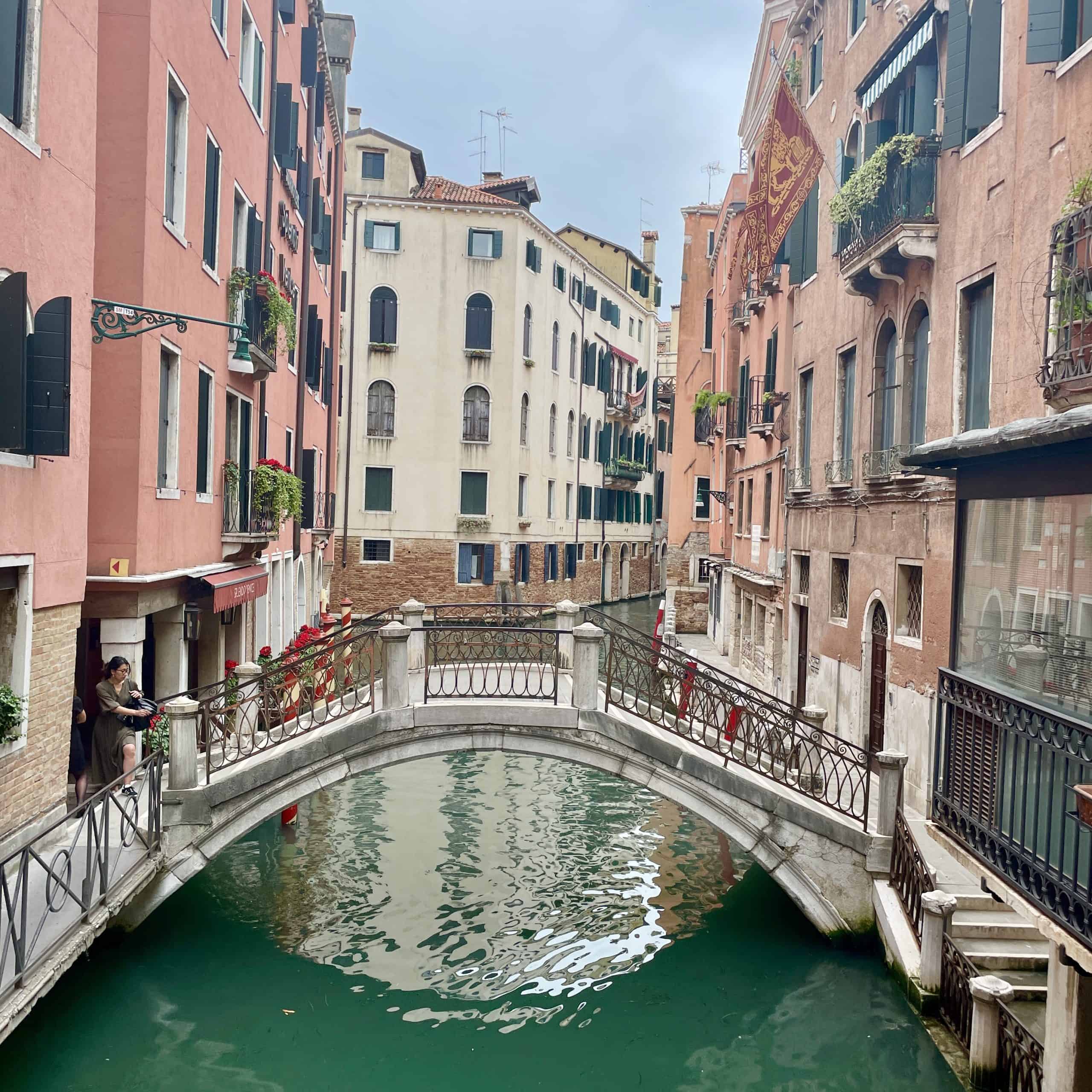
For many travelers, a first trip to Europe begins with a long list of places they’ve always wanted to see. Paris, Rome, London, the Swiss Alps, and perhaps a few smaller towns along the way. The challenge isn’t finding wonderful places to visit. It’s choosing which experiences belong together in the time you have.
Before you start booking hotels or comparing train tickets, consider a few decisions that can make your trip more enjoyable, manageable, and personal.

1. Start with what draws you to Europe
Think beyond the names of countries. Are you excited by art and architecture, family history, food and wine, hiking, music, or simply wandering through a neighborhood and seeing everyday life unfold? Your answers can help narrow a long destination wish list into a trip that feels like yours.
If you love food and smaller towns, for example, you might enjoy spending time in one region of Italy rather than moving between several major cities. If museums and history are your priorities, a different combination of destinations may make more sense.
2. Be realistic about how much you can see
A two-week vacation rarely means fourteen full sightseeing days. International flights, arrival-day fatigue, and travel between cities all take time. Every hotel change also means packing, checking out, moving luggage, and settling in again.
For a first visit of roughly ten to fourteen days, two or three well-connected bases often create a more comfortable pace than four or five. That isn’t a rule, but it’s a useful starting point. You can always return to Europe, and leaving something for another trip isn’t a failure.

3. Choose destinations that work well together
A route that looks short on a map isn’t necessarily easy to travel. Mountains, indirect rail connections, ferry schedules, and airport transfers can turn a seemingly simple move into most of a day.
Look at door-to-door travel time, not just the advertised flight or train duration. Sometimes a direct train between city centers is easier than flying. In other cases, a driver, rental car, or short flight may be worthwhile. The best choice depends on the route and your comfort level.
4. Plan for your preferred pace
Some travelers enjoy early starts and full days. Others want a leisurely breakfast, one meaningful experience, and time to explore on their own. Neither approach is wrong, but the itinerary should reflect how you actually like to travel.
I generally favor one main planned activity per day, with flexibility around it. A guided museum visit might be followed by an unstructured afternoon in a nearby neighborhood. Those unscheduled hours often become some of the most memorable parts of a trip.
5. Think about where you’ll stay
Location can matter as much as a hotel’s star rating. A centrally located property may make it easier to walk to dinner, return for a break, or enjoy a neighborhood in the evening. A charming countryside inn might be the better choice when the landscape and local life are central to the experience.
Also consider practical details: elevators, air conditioning, stairs, room sizes, and proximity to transportation. Historic European buildings have character, but they don’t always offer the features travelers expect from hotels at home.
6. Build a budget around the whole experience
Your budget needs to cover more than airfare and hotels. Include transportation between destinations, tours and guides, meals, travel insurance, and room for spontaneous experiences. Seasonal demand and major events can also change costs significantly.
Think about where spending more will genuinely improve your trip. A private guide for a subject you love, a well-located hotel, or a smoother transfer may be worth more than upgrading every room or adding another destination.
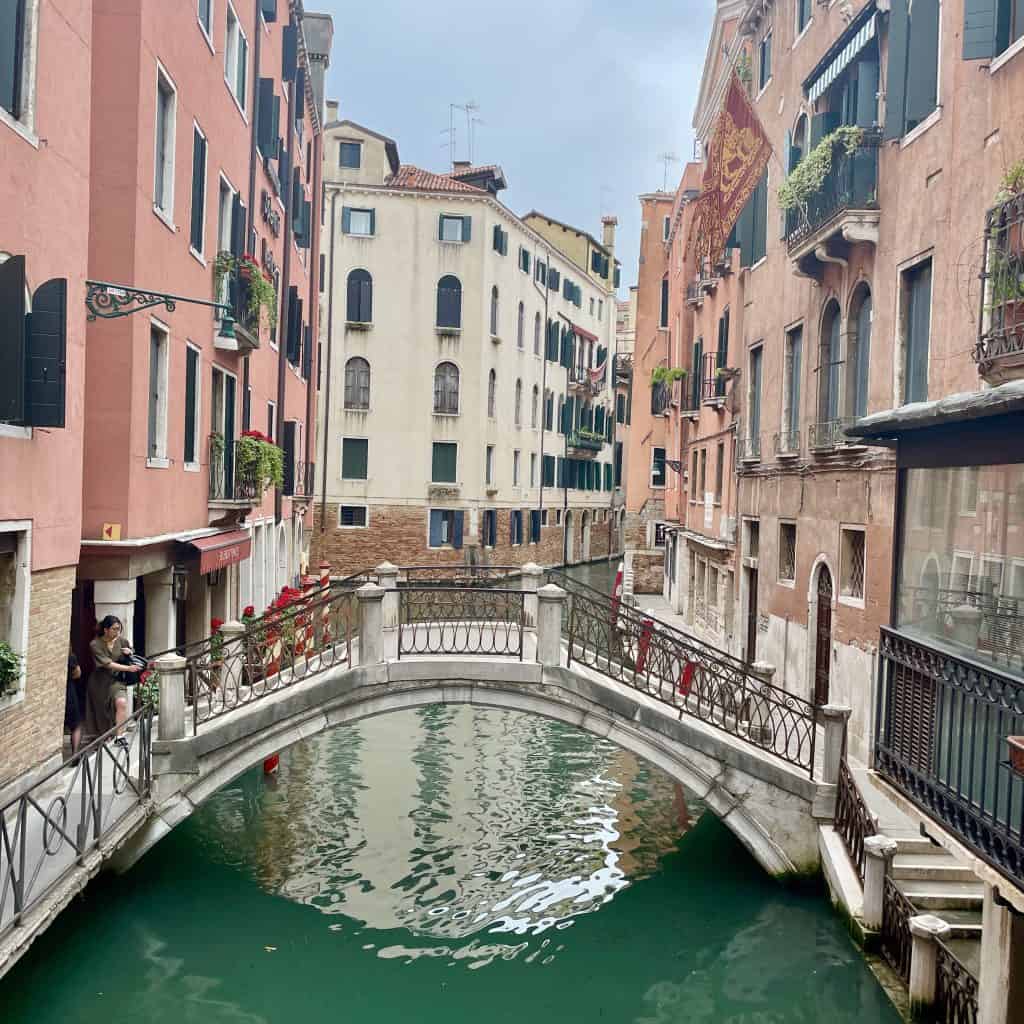
7. Leave room for the unexpected
Not every hour needs an assignment. A neighborhood market, a conversation with a shopkeeper, or an extra hour at a café can offer a stronger sense of place than rushing to the next attraction.
A thoughtful itinerary gives you enough structure to feel confident while leaving room for discoveries. That’s especially valuable on a first trip, when so much is new.
A first trip should feel like the beginning
There’s no single perfect first-time Europe itinerary. The right plan balances the places you’ve dreamed about with the time, energy, and budget you have available. It should feel exciting before departure and enjoyable while you’re there, not like a race to finish a list.
If you would like help shaping those choices into a journey that fits you, explore my Custom Travel planning approach and what it’s like to work together.