

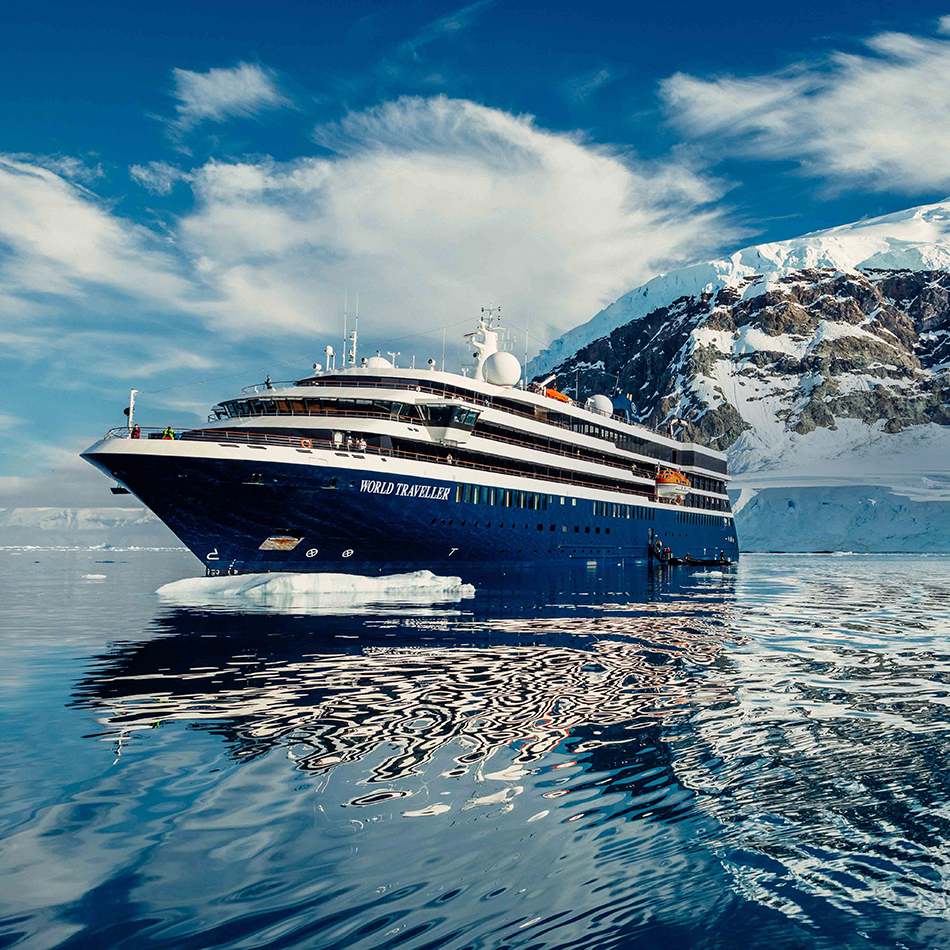
I never seriously expected to go to Antarctica. Then I found myself aboard Atlas Ocean Voyages’ World Navigator, watching penguins, kayaking alongside juvenile seals, and hearing humpback whales as they surfaced nearby.
The landscapes were extraordinary. So was the experience of being there, with an expedition team helping us understand what we were seeing.
If Antarctica is on your mind, choosing the right voyage deserves some thought. The route, ship, season, and way you reach the continent all shape the experience. Here’s where I would start.
Decide How You Want to Experience Antarctica
Some cruises offer scenic sailing past Antarctica without taking guests ashore. An expedition with landings offers a different experience, with opportunities to explore by small boat and on foot when conditions allow.
If stepping ashore is important to you, confirm that the voyage includes planned landings. A cruise advertised as visiting Antarctica doesn’t necessarily offer them.
You can also explore the differences between expedition and small-ship cruising if you’re still getting familiar with this style of travel.
Choose the Route Around Your Interests
Many first-time visitors choose an itinerary focused on the Antarctic Peninsula and nearby islands. These voyages offer opportunities to experience the ice-covered landscapes, penguin colonies, and wildlife that draw travelers south.
Other routes add time or a particular focus:
- Antarctic Circle voyages aim to travel farther south. Reaching the Circle depends on conditions, so consider the broader itinerary as well as that milestone.
- South Georgia and Falkland Islands voyages add distinctive wildlife, landscapes, and history. They require more time and generally involve more days at sea.
When comparing trips, look at the days allocated to exploring each region. A longer voyage may include more destinations or more transit time, rather than substantially more time around the Peninsula.
Sail the Drake Passage or Fly Across It?
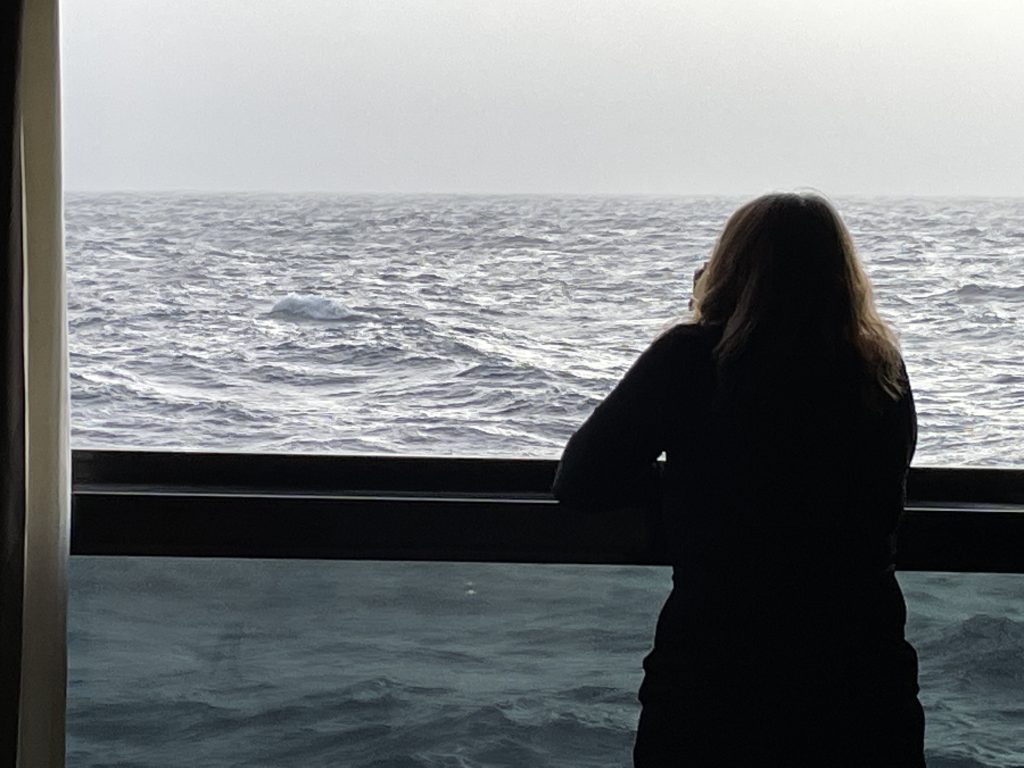
Many ship-based expeditions depart from Ushuaia, Argentina, and cross the Drake Passage between South America and Antarctica. Conditions can range from relatively calm to rough.
I was concerned about the crossing before my own trip. It’s a reasonable concern to raise early, especially if you’re prone to seasickness or uneasy about days on the open ocean.
Air-cruise itineraries offer another approach: flying to King George Island to join an expedition ship. Some voyages combine a flight in one direction with a sea crossing in the other.
Flying can avoid a Drake crossing, but Antarctic flights depend on weather. Delays can affect the itinerary, so we’ll review the operator’s contingency arrangements and allow appropriate flexibility around the trip. You’ll still be traveling by ship once you arrive.
The right approach depends on your available time, comfort with sea travel, and budget.
Understand How Ship Size Affects Exploring
Antarctic landing rules make passenger capacity particularly relevant. No more than 100 passengers from a vessel may be ashore at one landing site at a time, and ships carrying more than 500 passengers do not make landings.
A ship carrying more than 100 guests may use rotations, with one group ashore while another explores by Zodiac or remains onboard. That doesn’t mean you’ll spend every outing waiting, but it does make the arrangements worth comparing.
I look at guest numbers alongside the expedition team, excursion boats, and how outings are organized. A smaller passenger count is one useful factor, rather than the whole decision.
Match the Season to What You Hope to See
Most Antarctic Peninsula cruises operate between November and March, with some departures outside that window. The experience changes as the season progresses.
Early season: Snow-covered landscapes and penguin courtship or nesting activity can be part of the appeal. Ice conditions may affect access.
December and January: Long daylight hours and penguin breeding activity, including chicks at some colonies, draw many travelers.
February and March: Later summer is often appealing for whale watching, with growing penguin chicks and changing shore conditions.
These are seasonal patterns, not guarantees. Timing varies by species, location, and year.
I traveled late in the season and enjoyed wonderful wildlife encounters and unusually favorable weather. That experience reminded me to choose dates around a traveler’s priorities while leaving room for nature to surprise us.
Look Closely at Activities and Comfort
A landing can involve boarding a small boat, stepping into shallow water, or walking over snow, rocks, and uneven ground. We’ll discuss your mobility and comfort level, then check the requirements of the specific voyage.
If kayaking, camping, or photography is a priority, ask whether it’s offered on your departure, what experience is required, and whether it needs to be reserved separately. Activities remain subject to conditions.
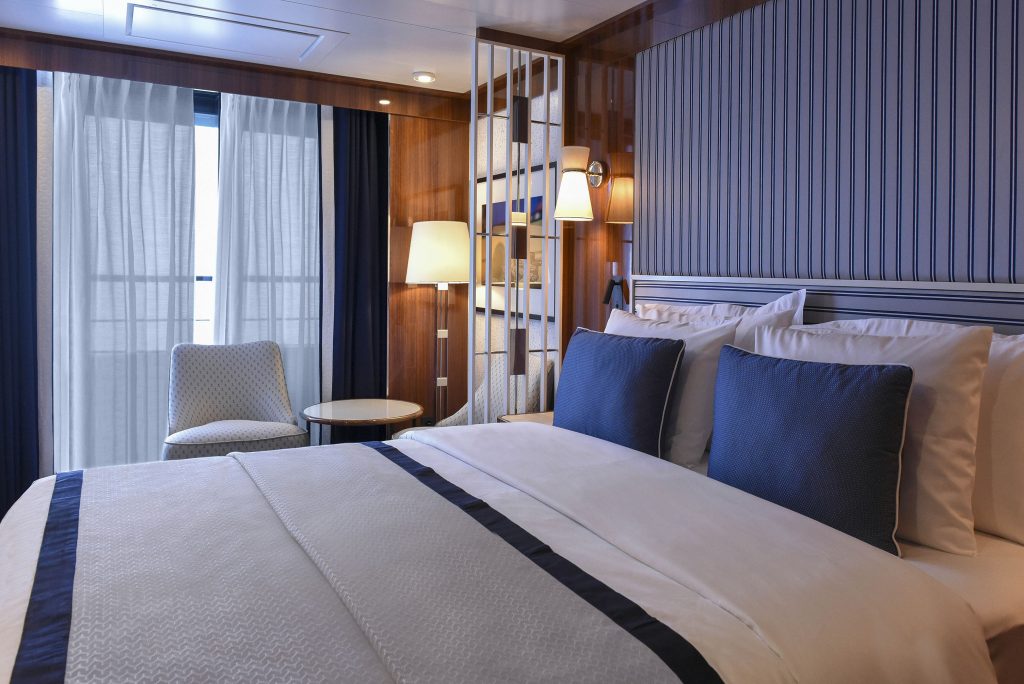
Comfort onboard also matters. On World Navigator, I appreciated the accommodations, food, staff, and expedition team. Think about what would help you enjoy the journey: cabin space, viewing areas, dining, or a welcoming place to relax between outings.
My broader guide to choosing an expedition cruise covers more of these comparisons.
Consider How the Operator Approaches Antarctica
Good guiding helps you understand the wildlife and landscapes you’ve traveled so far to see. I also look at how an operator manages wildlife encounters, prepares guests to protect the places they visit, and supports research or conservation. These are part of my approach to meaningful travel: choosing a journey that deepens your understanding while respecting the environment you’ve come to experience.
Plan the Whole Journey
Compare the total trip cost, including flights, hotels, transfers, equipment, gratuities, and optional activities. Inclusions vary, so two advertised fares may cover different things.
Allow time around the expedition rather than treating embarkation as an ordinary flight connection. We’ll follow the operator’s arrival requirements and consider how the itinerary could affect your onward travel.
We’ll also review booking terms, required documentation, and any insurance requirements before you commit.
Let’s Plan Your Antarctica Journey
Antarctica is one of the most remarkable places I’ve visited. You can read more about my firsthand Antarctica experience, including the moments that stayed with me.
If you’re considering your own journey, we’ll start with what draws you there and what would help you feel comfortable exploring. From there, I’ll help you compare voyages and plan the travel around them, or other expedition or small-cruise options.
Schedule a complimentary consultation to get started.