

You may need step-free access, prefer shorter walks, or want more time to rest between activities. You might also have hearing, vision, sensory, or other needs that affect how you experience a trip.
These are useful things to discuss early. They help us choose the accommodation, transportation, activities, and pace that will allow you to enjoy the journey.
Accessibility is specific to the traveler. A trip described as “easy” or a hotel labeled “accessible” needs a closer look to understand whether it meets your needs.
Start with What Works for You
We’ll begin with practical details rather than broad labels.
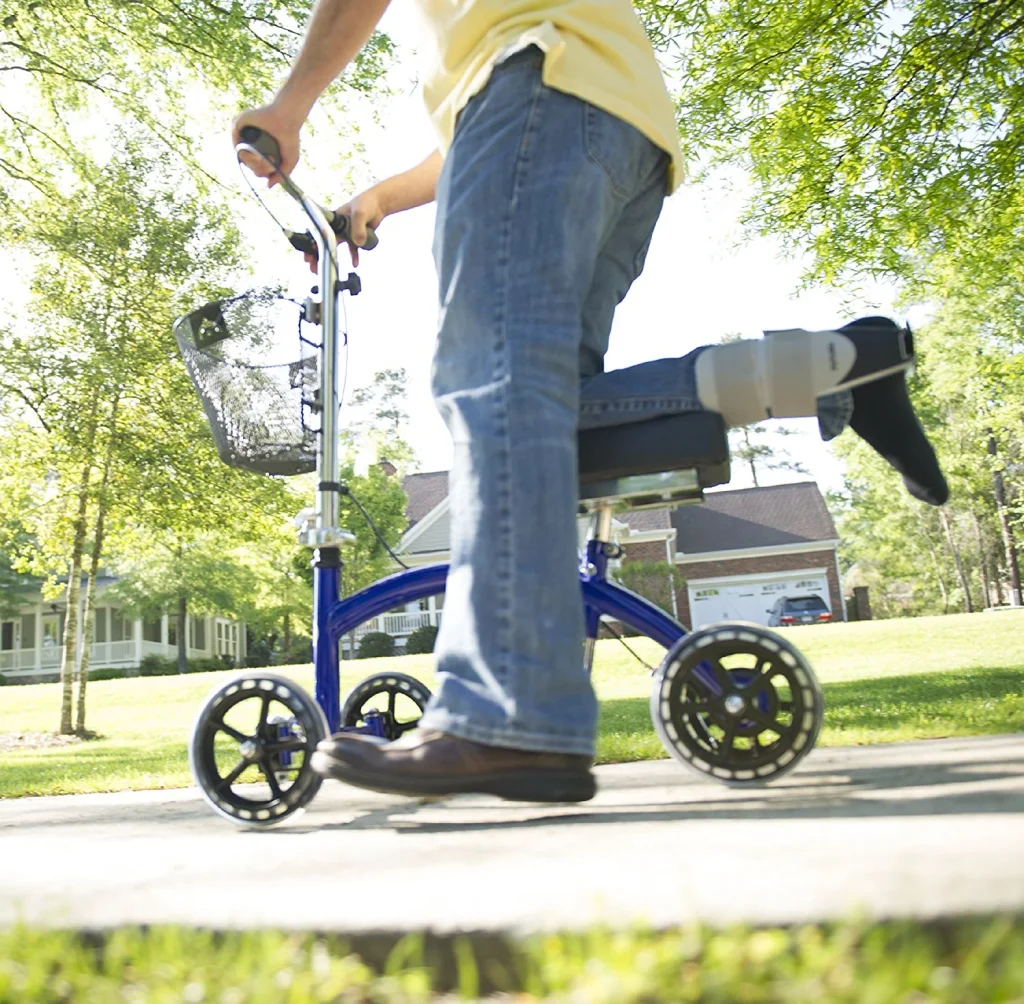
How far can you comfortably walk? Are stairs manageable? Does standing for an extended period cause difficulty? If you use a mobility device, what space and assistance do you need?
Hearing support, readable information, quieter environments, and predictable schedules may matter just as much. Tell me what makes a day enjoyable and what tends to make it difficult.
For couples, families, or groups with different needs, we can look at where everyone wants to participate together and where separate options might work better.
Look Beyond the Hotel Room
An accessible room is one part of the stay. We also need to consider the route from the street to reception, the lift, dining areas, and the facilities you want to use.
The details depend on your needs. A walk-in shower may still have a raised threshold. A property with a lift may have steps at its entrance or areas the lift doesn’t serve.
When necessary, I’ll request specific information, measurements, or photographs from the property. We’ll distinguish a confirmed feature from a request that remains subject to availability.
Match Europe’s Experiences to Your Comfort Level
Historic streets, cobblestones, hills, stairs, and older buildings can affect a day of exploring. A walking tour’s duration doesn’t tell us the whole story.
We’ll consider distance, terrain, standing time, opportunities to sit, and access to restrooms. A private guide may be able to adjust the route or pace, but we need to confirm what the sites themselves allow.
A thoughtfully located hotel, planned transportation, and fewer activities can make the itinerary more manageable. We’ll choose the experiences you most want rather than assuming every highlight needs to fit.

Check River Cruising Onboard and Ashore
Unpacking once can make river cruising appealing, but the ship and excursions each deserve a separate accessibility review.
Questions include which decks the lift serves, whether the cabin layout works for you, and how you board and leave the ship. Some docking arrangements require crossing another vessel, which can introduce additional obstacles.
A gentler excursion may still involve cobblestones, steps, or periods of standing. We’ll check the actual requirements and alternatives instead of relying on the excursion’s name.
The specific ship and itinerary matter when choosing a river cruise.
Understand Expedition and Small-Ship Requirements
An expedition may involve boarding a Zodiac or skiff, stepping ashore on uneven ground, or getting in and out of a kayak. Shipboard access and the ability to join an outing are separate considerations.
We’ll ask about boarding procedures, permitted assistance, activity requirements, and alternatives. Assistance with one task doesn’t establish that the whole excursion is suitable.
If a landing isn’t possible for you, we should understand what you could do instead and whether the overall voyage would still be enjoyable. These questions are part of choosing an expedition cruise.
Include Transportation and Daily Pace
Airport assistance, station access, vehicle boarding, and space for mobility equipment should be considered alongside hotels and tours.
A private transfer can simplify some logistics, but the vehicle still needs to meet your requirements. Likewise, a short train ride can involve challenging station access.
Rest time matters, too. Longer stays, later starts, shorter outings, and open afternoons can help create a trip that fits your energy level.

Confirm the Details Before Booking
I’ll work with providers to clarify requirements and available accommodations. Where more specialist arrangements are needed, we can explore appropriate partners.
Some limitations may remain, and we’ll discuss them before deciding. Specific information is more useful than a general assurance that something will be fine.
If your needs change after booking, let me know promptly so we can review the arrangements.
Let’s Plan Around You
You don’t need to wait until you’ve chosen a destination or cruise to discuss accessibility.
We can start with what you want from the trip and what would help you participate comfortably, then explore suitable options. Learn more about working with me, or schedule a complimentary consultation to begin the conversation.