

Choosing a river cruise often starts with a simple question: where do you want to go? Europe’s rivers connect historic cities, wine regions and smaller communities, while destinations farther afield can offer an entirely different experience centered on wildlife and nature.
I’ve sailed several of Europe’s best-known rivers myself, and each has a distinct personality. Here are six river cruise destinations to consider, along with what makes each one different.
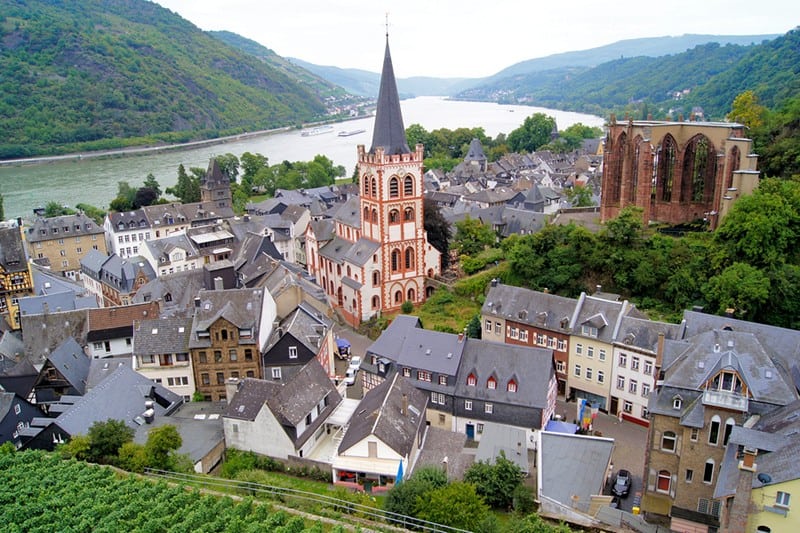
Rhine River Cruises: Castles, Vineyards and Historic Towns
The Rhine is one of the best introductions to European river cruising, combining historic cities, vineyard-covered hillsides, and the storybook scenery many travelers picture when they first consider a river cruise. One of the most memorable stretches is the Upper Middle Rhine Valley, where castles rise above the river and small towns sit tucked between steep vineyards.
Having sailed the Rhine myself, I think its appeal is how naturally the scenery becomes part of the experience. Even between ports, you’re passing vineyards, villages and castles, so there is genuinely something to see from the ship.
Depending on the itinerary, you might explore places such as Rüdesheim, known for its wine culture and lively Drosselgasse, or smaller Rhine towns filled with half-timbered buildings and centuries of history. Wine tastings are a natural part of many Rhine itineraries, particularly for travelers interested in the region’s Rieslings.
The castles aren’t simply scenery. They tell the story of the Rhine’s importance as a major trade route through Europe, when rulers built fortresses along the river to protect territory and collect tolls from passing ships. Today, cruising past them is considerably more relaxing.
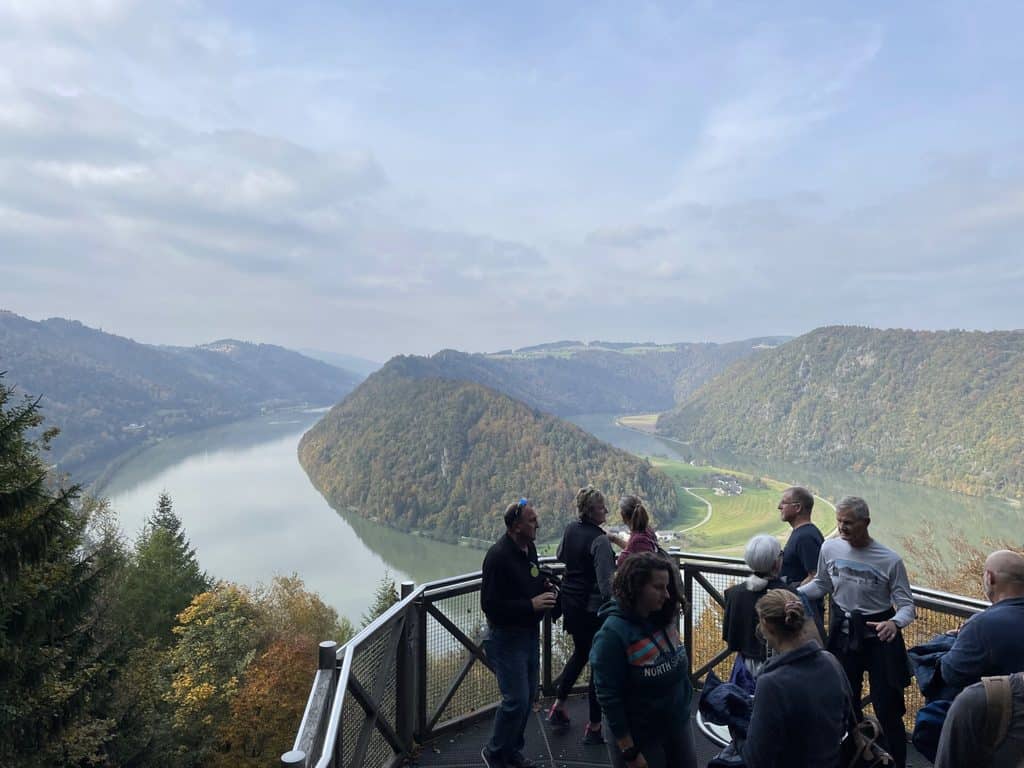
Danube River Cruises: Historic Cities and Central European Culture
If the Rhine is known for its scenery and castles, the Danube stands out for the variety of cultures and cities connected by the river. Popular itineraries often include Vienna, with its imperial palaces, classical music and café culture, and Budapest, where some of the city’s most recognizable landmarks line the river.
I’ve also cruised the Danube, and one of its strengths is the contrast from day to day. You can move from a small riverside town to Vienna or Budapest without the transitions feeling rushed.
But a Danube cruise isn’t limited to major cities. Depending on the route, you might cycle through the Wachau Valley, taste local wines in Austria, visit smaller towns such as Dürnstein, explore medieval Regensburg, or spend time in Bratislava.
There are also several variations of Danube itineraries, from shorter cruises between Budapest and Germany to longer journeys extending toward Romania and the Danube Delta. The right choice depends on whether you’re most interested in history, food and wine, major European cities, or getting farther off the traditional Central European route.
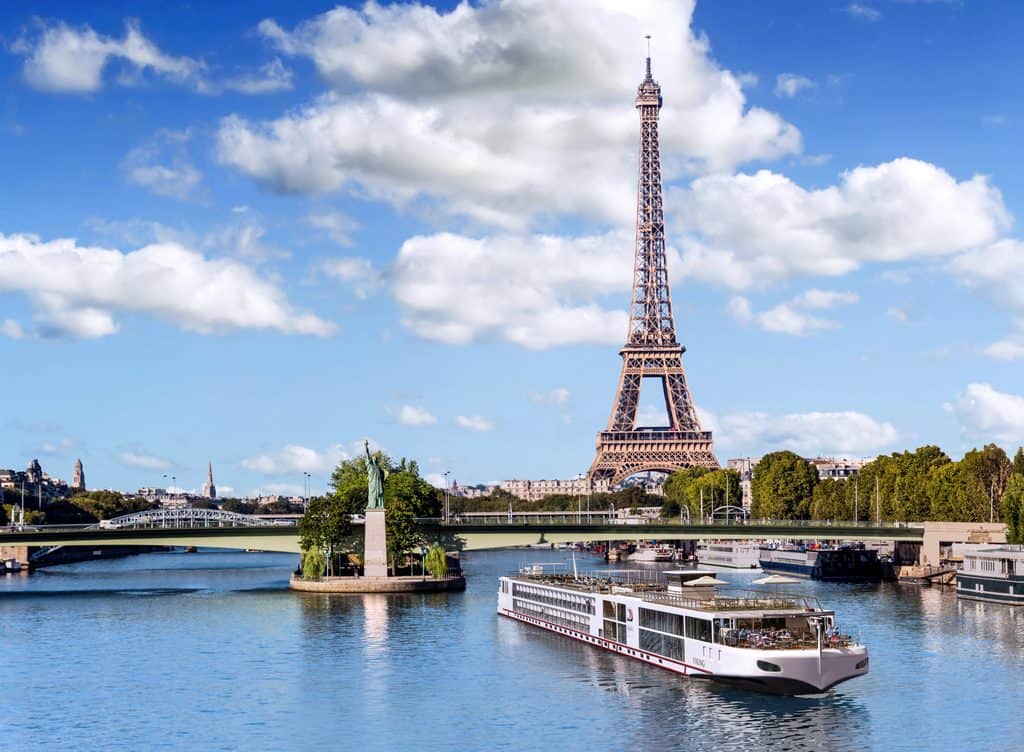
Seine River Cruises: Paris, Normandy and Impressionist France
Many Seine cruises begin and end in Paris, making it easy to combine time in the French capital with a slower journey into Normandy. Along the way, the river connects travelers with landscapes and communities that inspired generations of artists, particularly the Impressionists.
Itineraries may include Monet’s gardens at Giverny, the medieval streets and cathedral of Rouen, small towns along the Seine, and excursions connected to Normandy’s D-Day history. Some cruises travel as far as the Normandy coast, while others place greater emphasis on art, food and the countryside.
One of the pleasures of cruising the Seine is allowing some room for France to happen naturally. Not every meal or afternoon needs an excursion attached to it. A leisurely lunch, a market visit, or time wandering independently can be every bit as memorable as the scheduled sightseeing.
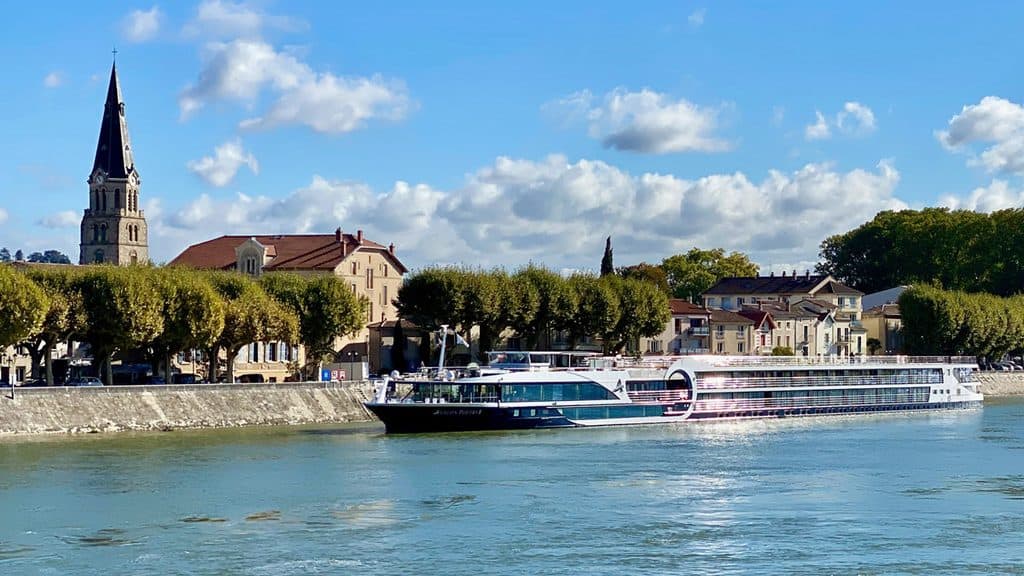
Rhône and Saône River Cruises: Food, Wine and Provence
For travelers who are drawn to France as much for its food and wine as its history, cruising the Rhône and Saône offers a wonderful way to experience several distinct regions without constantly packing and unpacking.
Itineraries typically travel between Lyon and Provence, with opportunities to explore Burgundy and the Rhône Valley, visit local markets and wineries, and spend time in historic towns such as Avignon and Arles. Lyon’s reputation as one of France’s great culinary cities makes it a natural beginning or ending point, while farther south the landscape gradually shifts toward the colors, flavors and slower pace of Provence.
Having sailed the Rhône myself, I especially appreciate how much variety is packed into a relatively compact itinerary. Food, wine, Roman history, small towns and countryside all play a role, and the experience feels distinctly different from cruising the Rhine or Danube.
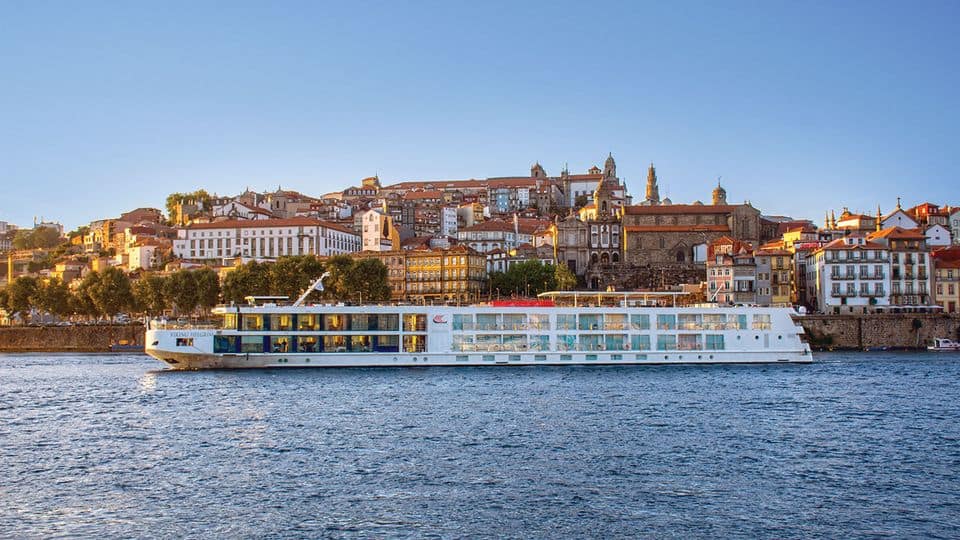
Douro River Cruises: Portugal’s Wine Country and Scenic Landscapes
The Douro offers a different style of European river cruise. Beginning or ending in Porto, itineraries follow the river into the terraced landscapes of Portugal’s Douro Valley, a region shaped by centuries of wine production.
Days might include visits to historic quintas, tastings of Port and regional wines, small villages, and viewpoints overlooking the steeply planted hillsides. Some itineraries also include excursions across the border into Spain, often to Salamanca.
Compared with rivers lined by major European capitals, the Douro is more about the landscape, wine culture and relaxed rhythm of northern Portugal. It’s particularly appealing for travelers who want beautiful scenery and meaningful time ashore without feeling as though every day requires checking another major landmark off a list.
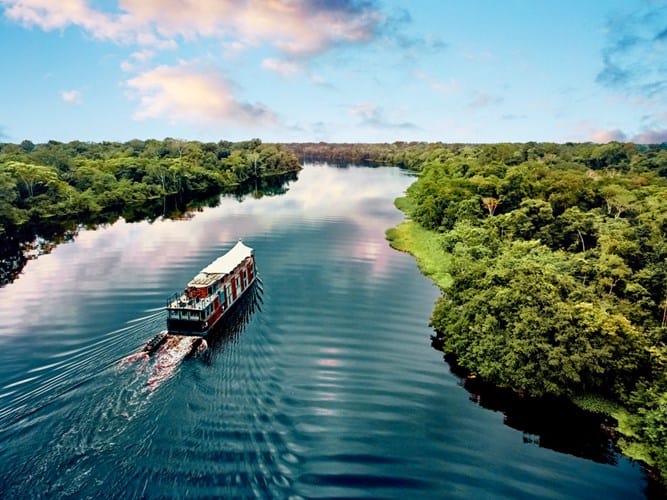
Amazon River Cruises: Wildlife and Expedition Adventure
An Amazon river cruise is an entirely different experience from cruising Europe’s waterways. Here, the destination isn’t a succession of historic cities. It’s the rainforest itself.
Small-ship and expedition-style cruises offer opportunities to explore tributaries by skiff, look for monkeys, sloths, colorful birds and other wildlife, and experience one of the world’s most biologically diverse ecosystems. Naturalist guides are an important part of the experience, helping travelers understand what they’re seeing and the complex relationships within the rainforest.
Some itineraries also include opportunities to visit local communities and learn about life along the river. These experiences are best approached thoughtfully, with operators that prioritize conservation and respectful relationships with the people who live in the region.
For travelers drawn to wildlife and remote landscapes, the Amazon shows just how different river cruising can be from the classic European experience.
Which River Cruise Is Right for You?
The best river cruise isn’t necessarily the one with the most famous itinerary. It depends on what you want from the experience.
You might be drawn to the castles and vineyards of the Rhine, the cultural variety of the Danube, the food and wine of the Rhône, or the wildlife and remoteness of the Amazon. The cruise line matters, too. Ships, excursions, dining, activity levels and what’s included can vary considerably, even when two companies are sailing essentially the same stretch of river.
I’ve sailed several of these rivers and experienced different river cruise lines firsthand, and I help clients sort through those differences to find the combination of destination, cruise line and itinerary that fits how they actually want to travel. Learn more about my tips for choosing a river cruise.
If you’re beginning to explore your options, visit my River Cruising page to learn more about river cruising and how I help clients choose the right experience.