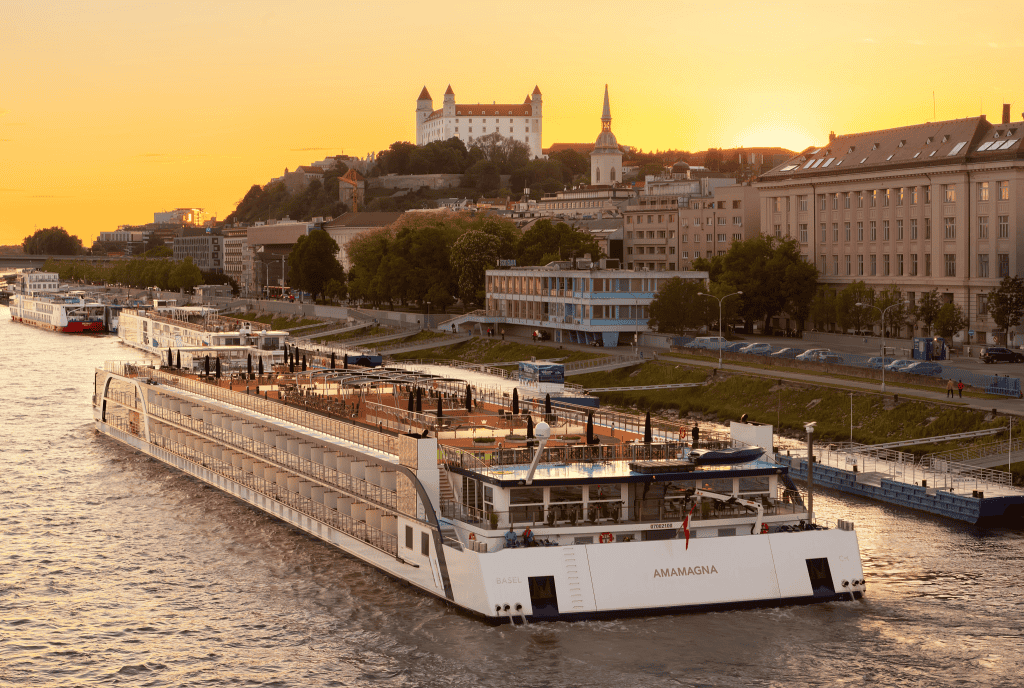

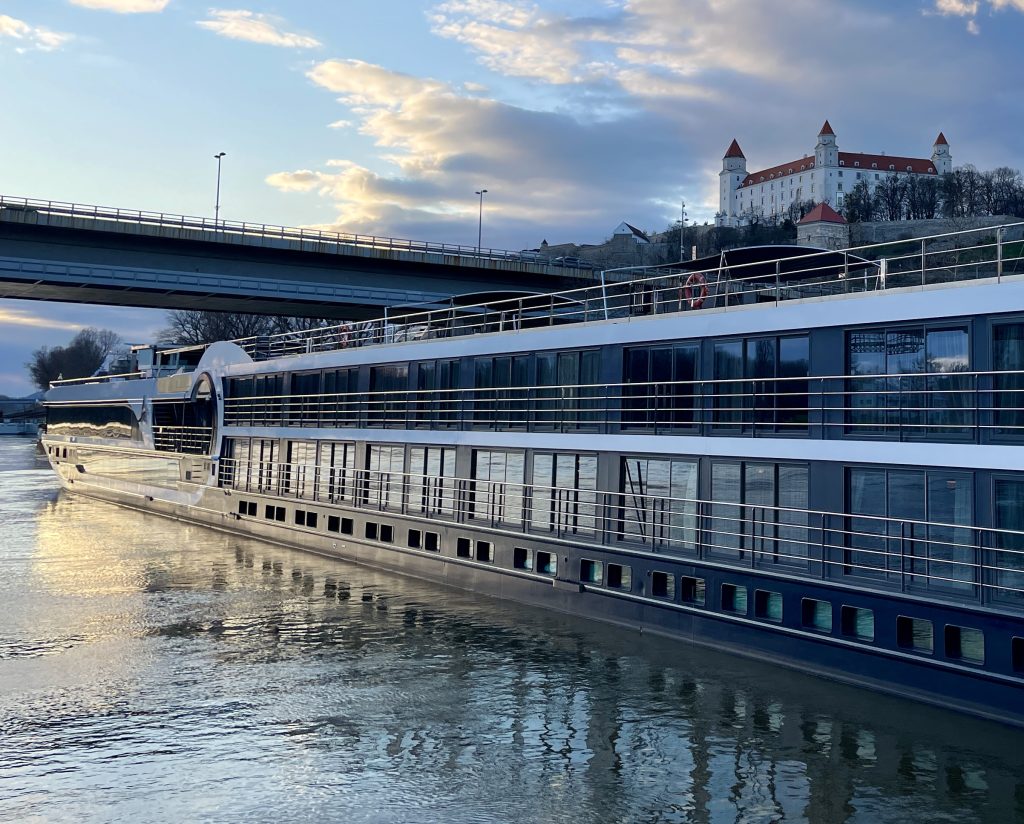
River cruises can look remarkably similar at first glance. Many cruise lines sail the same rivers, visit many of the same cities, and even offer similar-looking excursions. But the experience onboard and ashore can vary considerably.
The best river cruise isn’t simply the one with the most appealing itinerary or lowest fare. It’s the combination of destination, cruise line, ship, inclusions and travel style that fits how you want to spend your vacation.
When I help clients compare river cruises, these are some of the things I look at.
1. Start with Where You Want to Go
For many travelers, choosing the river is the easiest place to start.
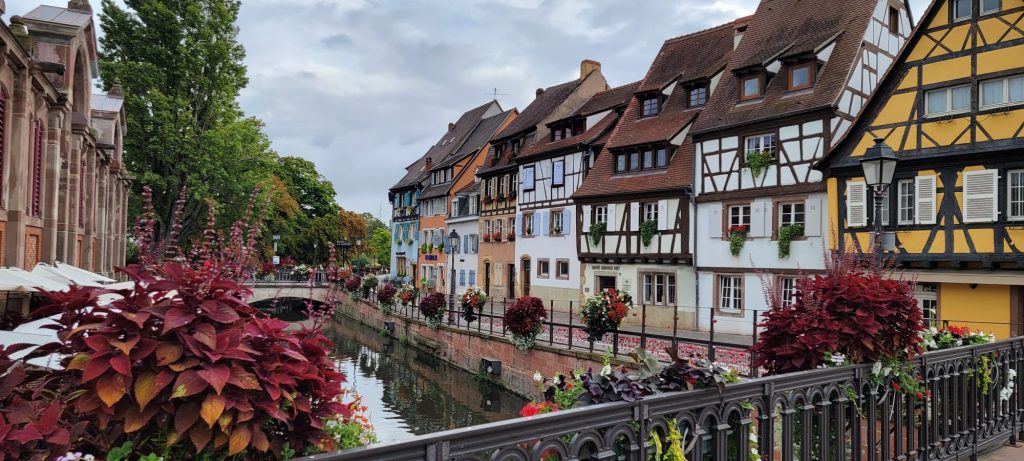
The Rhine is known for castles, vineyards and historic towns, while the Danube combines major cities such as Vienna and Budapest with smaller communities throughout Central Europe. France offers several distinct experiences: the Seine connects Paris with Normandy, while the Rhône and Saône are especially appealing for travelers interested in food, wine and Provence. Portugal’s Douro is all about beautiful landscapes, wine country and a slower pace.
Seasonal itineraries matter, too. Christmas market cruises transform the Rhine and Danube in November and December, while tulip cruises in the Netherlands and Belgium offer a very different spring experience.
If you’re not sure where to begin, my guide to 6 River Cruise Destinations to Consider for Your Next Trip is a good starting point.
2. Think About How You Like to Travel
Two people can visit exactly the same ports and want very different vacations.
Do you like having a guide for most of your sightseeing, or would you rather wander independently after breakfast? Are you happiest visiting museums and historic sites, cycling through the countryside, tasting local wines, or sitting at a café watching daily life unfold?
River cruise lines approach excursions differently. Some emphasize traditional guided sightseeing, while others offer multiple activity levels or choices in each port. Certain lines provide bicycles or include more active excursions. Others put greater emphasis on culinary experiences, wine, culture or slower-paced touring.
I generally prefer itineraries that leave some breathing room. An included excursion can be a wonderful introduction to a destination, but you don’t necessarily need a scheduled activity every hour you’re ashore.
3. Compare the Cruise Lines, Not Just the Itineraries
This is where choosing a river cruise becomes more complicated.
Several cruise lines may offer nearly identical routes, but that doesn’t mean the experiences are interchangeable.
Cruise lines differ in areas such as:
- Dining style and restaurant choices
- Included beverages
- Excursion options and activity levels
- Gratuities and other inclusions
- Cabin and suite design
- Onboard atmosphere and entertainment
- Bicycles, fitness facilities and wellness programming
- Pre- and post-cruise options
I’ve sailed with different river cruise companies and toured ships from many others, and one thing becomes clear quickly: there isn’t one river cruise line that’s best for everyone.
The better question is which cruise line fits you best?
4. Look Beyond the Cruise Fare
When comparing river cruises, the advertised price doesn’t always tell you what the trip will ultimately cost.
One cruise may include gratuities, airport transfers, premium beverages and a broad choice of excursions. Another may price some of those separately. Airfare promotions can make a cruise look particularly attractive, but it’s worth understanding exactly what the promotion includes and whether the air arrangements make sense for your trip.
I prefer to compare the overall experience and value rather than simply putting two cruise fares next to each other.
Sometimes the higher-priced option actually includes considerably more. Other times, paying for inclusions you don’t particularly care about doesn’t make sense.
5. Pay Attention to the Ship and Your Cabin
River ships are much smaller than ocean cruise ships, and space is used differently.
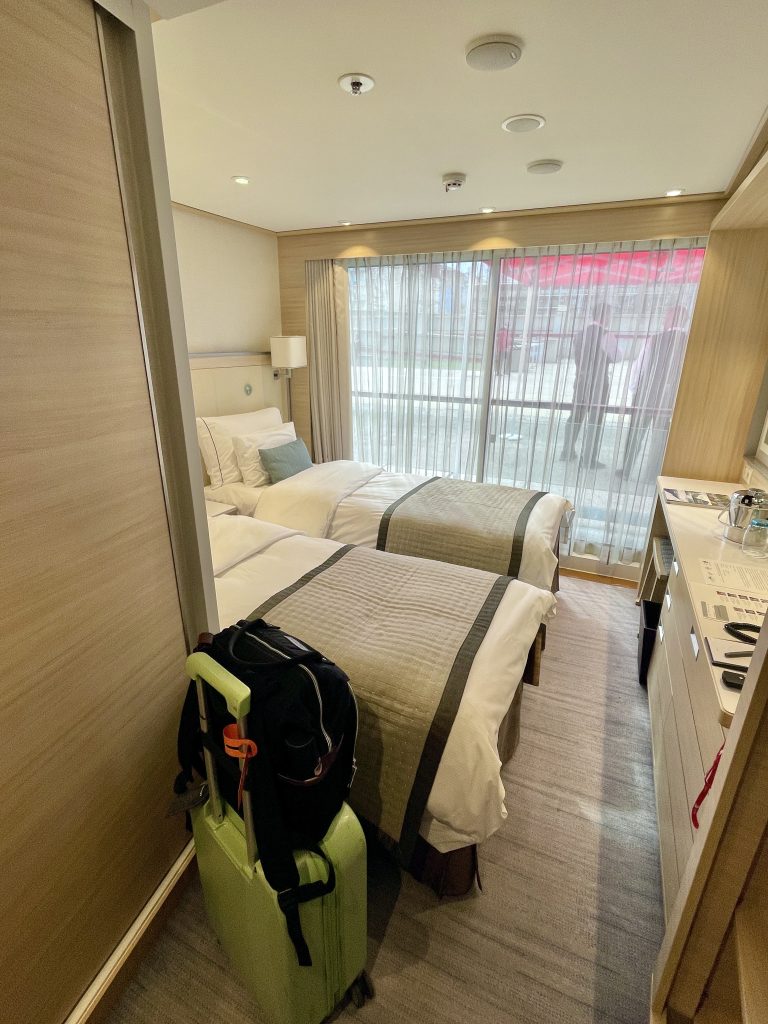
Cabins may have fixed windows, French balconies, traditional step-out balconies or designs that combine indoor and outdoor space. Suites can provide substantially more room, but cabin terminology varies by cruise line, so it’s worth looking at the actual layout rather than relying on the category name.
Public spaces differ as well. Some ships emphasize a spacious lounge and dining room, while others offer multiple restaurants, pools, fitness areas or additional outdoor spaces.
You probably won’t choose a river cruise based on a waterslide or Broadway show. That isn’t really the point. But the ship will be your home for a week or more, so its layout and atmosphere still matter.
If you have accessibility needs, we’ll look beyond the cabin to check lift access, boarding arrangements, and excursion requirements; my guide to planning around your travel accessibility needs explains the details worth discussing before you book.
6. Study the Actual Itinerary
Don’t stop at “7-night Rhine cruise.”
Look at where the ship actually stops, how long it stays, which ports are visited during the day, and whether there are overnight stays.
Also look at the included excursions. Does the cruise offer one standard walking tour in each destination, or several choices? Are some experiences an additional charge? Will you have enough free time to explore independently?
Even cruises traveling the same river can offer meaningfully different experiences based on these details.
7. Consider What Happens Before and After the Cruise
One of the advantages of river cruising is how easily it can fit into a longer European trip.
Rather than flying to Europe, boarding the ship and immediately flying home afterward, you might spend several days independently in Amsterdam before a Rhine cruise, add time in Budapest after the Danube, or combine a Rhône cruise with additional time elsewhere in France.
This is also where I think thoughtful planning makes a substantial difference. The cruise handles much of the logistics for one portion of the trip, while the time before or afterward gives you more freedom to experience a destination at your own pace.
Questions I Ask Before Recommending a River Cruise
When I’m helping someone narrow the choices, I usually want to know:
- Which destinations or experiences are drawing you to river cruising?
- How active do you like your days to be?
- Do you prefer structured sightseeing or independent exploration?
- How important are food and wine to the experience?
- What kind of atmosphere do you enjoy onboard?
- Which inclusions matter to you, and which don’t?
- Do you want to extend your trip before or after the cruise?
- What overall investment feels comfortable for this trip?
The answers usually tell me far more than simply asking which cruise line you’ve heard of.
Finding the Right Fit
There are many excellent river cruise lines, which is precisely why choosing one can feel overwhelming. The goal isn’t to identify a universal “best” river cruise. It’s to find the experience that matches your interests, priorities and travel style.
I’ve sailed several European rivers and experienced different river cruise lines firsthand, in addition to touring ships and continuing to learn about the differences among them. I use that experience to help my clients compare the details that matter and narrow what can initially feel like an endless collection of options.
If you’re considering a river cruise, you can learn more about River Cruising and how I help clients plan the experience that’s right for them.
The best river cruise isn’t the one with the biggest advertising budget. It’s the one that matches how you like to travel.