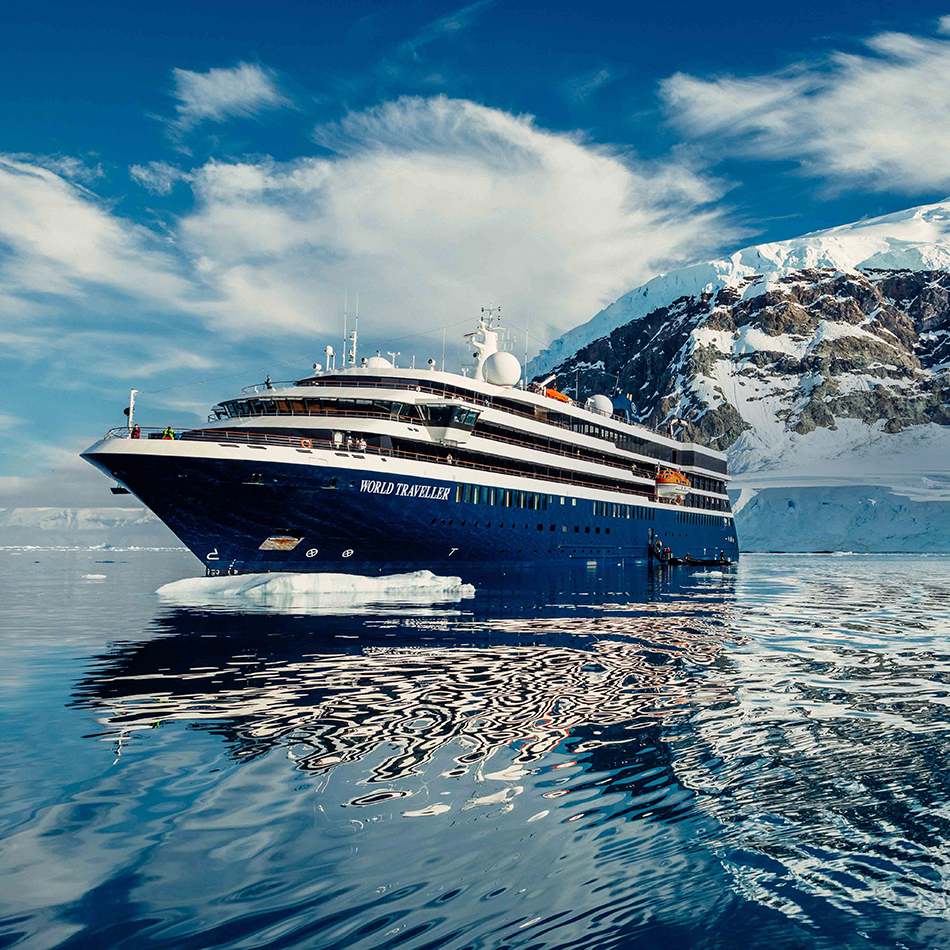

Choosing an expedition cruise starts with what you hope to experience. Perhaps you want to watch wildlife, photograph dramatic landscapes, or explore coastal communities that are difficult to reach independently.
Once you have a destination in mind, the choices become more specific. Ships visiting the same region can offer different itineraries, activity options, guiding, and levels of comfort. Those differences shape how your trip will feel.
My own journeys with UnCruise Adventures in Alaska, Aurora Expeditions in Scotland, Atlas Ocean Voyages in Antarctica, and a private yacht charter in the Galápagos have shown me how varied expedition travel can be. Here’s what I look at when helping clients choose.

Start with Your Interests
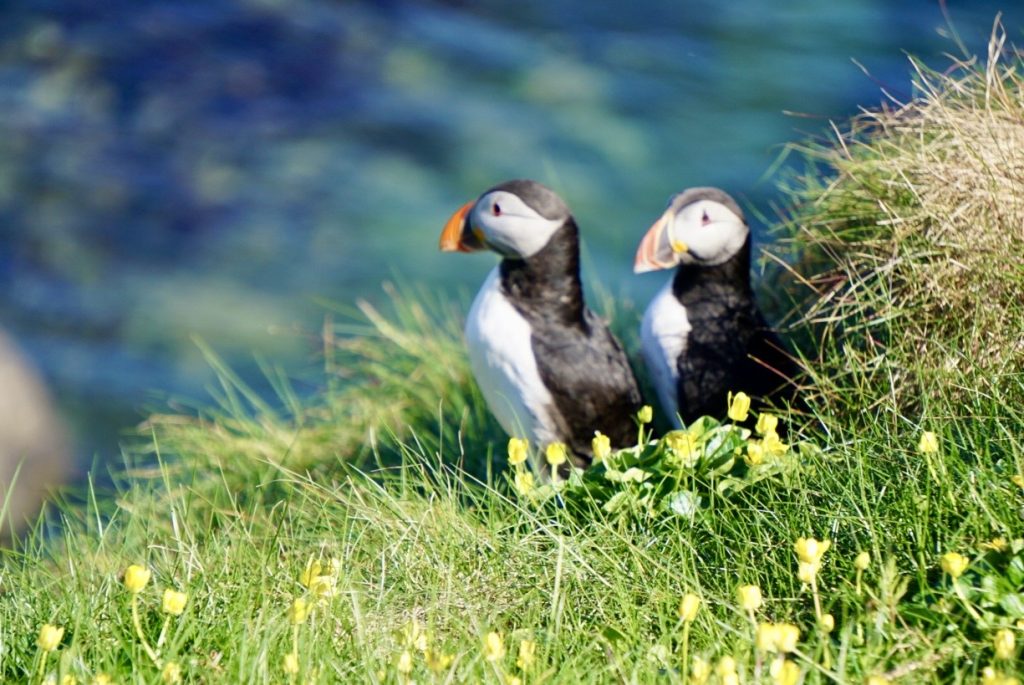
Think about the experiences you’re most looking forward to. If snorkeling is a priority, we’ll look closely at the opportunities offered on your itinerary. If you’re interested in history, the guiding and cultural visits deserve particular attention.
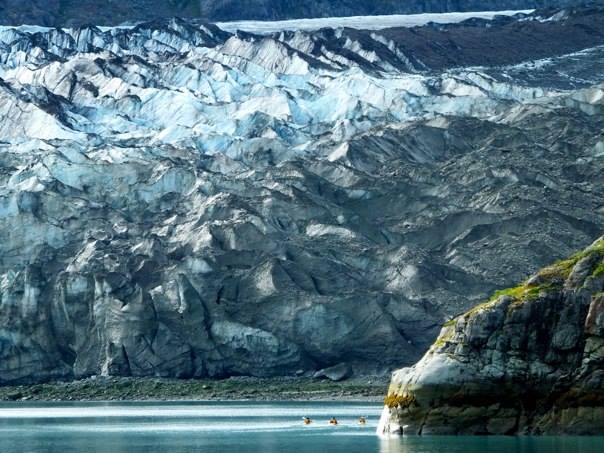
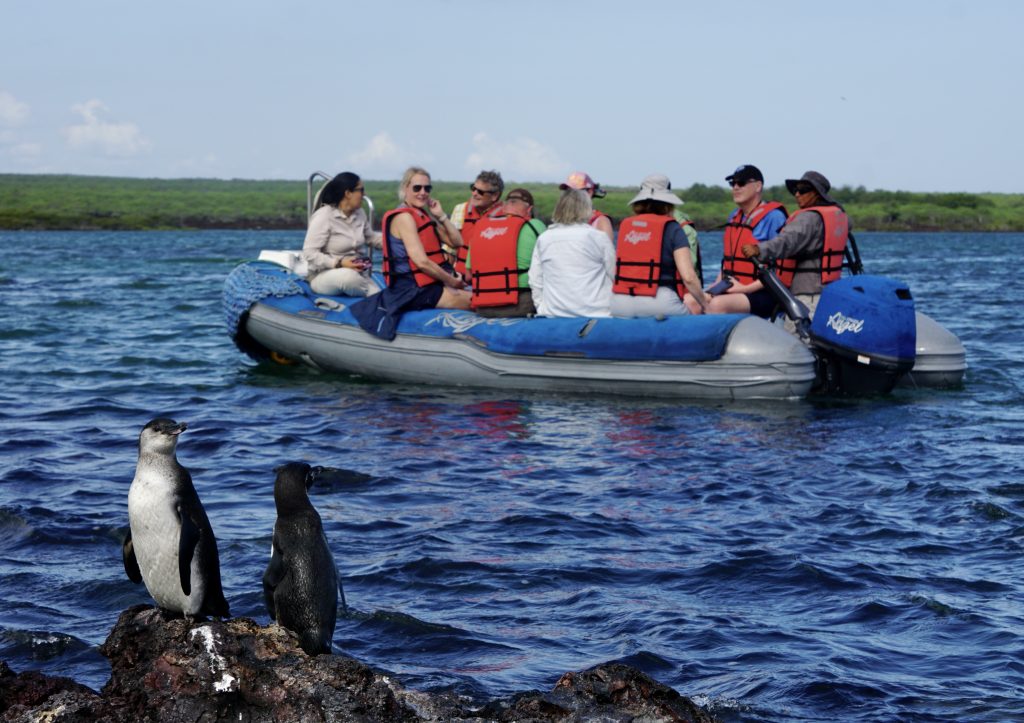
You may also want different things from the people traveling with you. One person might be eager to kayak, while another would prefer a scenic boat outing. We’ll look for a voyage with choices that suit everyone, while checking which activities are included, optional, or subject to availability.
If you’re still deciding whether this style of travel appeals to you, understanding the differences between expedition and small-ship cruising is a useful place to begin.
Compare the Itinerary and Time Exploring
Look beyond the destination name and number of nights. How much of the trip is spent traveling to the region, and how much is available for exploring once you arrive?
Read the daily itinerary for the types of outings described, the areas visited, and the balance between landings, scenic cruising, and days at sea.
An expedition itinerary also requires flexibility. Weather and local conditions can affect where you go and what you do. On my Scotland voyage, weather shaped our route more than once. Being comfortable with those adjustments is part of choosing this kind of trip.
If a particular stop is your main reason for booking, we should discuss how dependable that visit is before you commit.

Understand What Ship Size Means
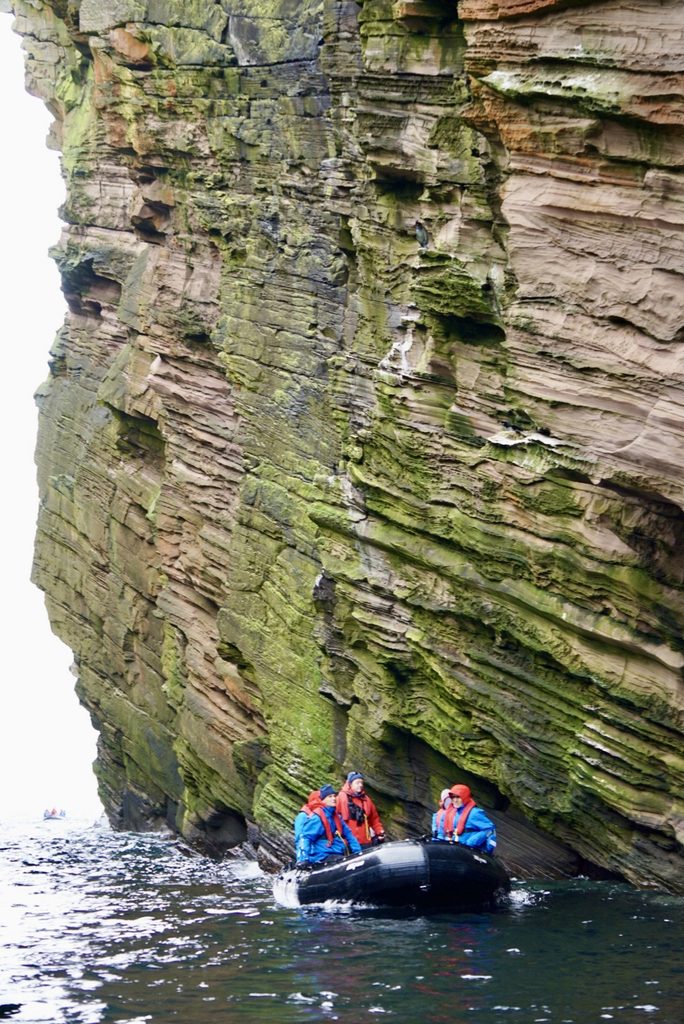
Passenger capacity affects the atmosphere onboard and the logistics of getting everyone out exploring. I look at the number of guests alongside the excursion boats, staffing, and how the operator organizes outings.
Antarctica offers a clear example. A maximum of 100 passengers from a vessel may be ashore at one site at a time, and ships carrying more than 500 passengers do not make landings. On ships carrying more than 100 guests, shore visits may involve rotations.
That doesn’t automatically make one ship the best choice. It does make the landing arrangements worth understanding when planning an Antarctica expedition.
Consider the Expedition Team
Good guides help you understand the place you’ve traveled so far to see.
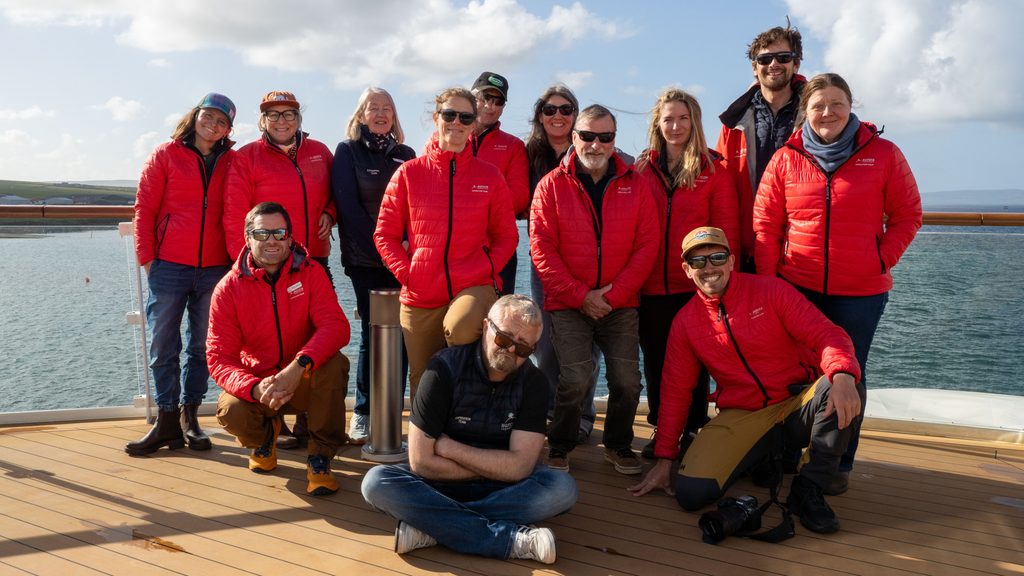
On my Aurora Expeditions voyage in Scotland, an expedition historian brought the islands’ ancient sites and communities to life. That perspective became one of the most memorable parts of the journey.
Depending on your interests, I’ll look at the team’s destination knowledge and whether the voyage offers specialist support for photography, wildlife, history, or other subjects. Briefings and informal conversations onboard can add as much to the experience as the outings themselves.
Be Specific About Activity and Accessibility
“You don’t need to be an athlete” is reassuring, but it doesn’t explain what a particular trip requires.
We’ll talk about your comfort with boarding small boats, managing steps, walking on uneven ground, and being outdoors in changing conditions. For snorkeling or kayaking, we’ll also check any experience requirements.
Ask what alternatives are available and what staying onboard would mean for your experience. A gentler outing may be offered, but that needs to be confirmed for the voyage you’re considering.
Activity levels and accessibility on small ships deserve an early conversation. An accessible cabin and an accessible shore experience are separate considerations.
Choose the Comfort That Matters to You
Expedition ships range from simple, practical vessels to ships offering spacious suites, multiple dining options, and substantial onboard amenities.
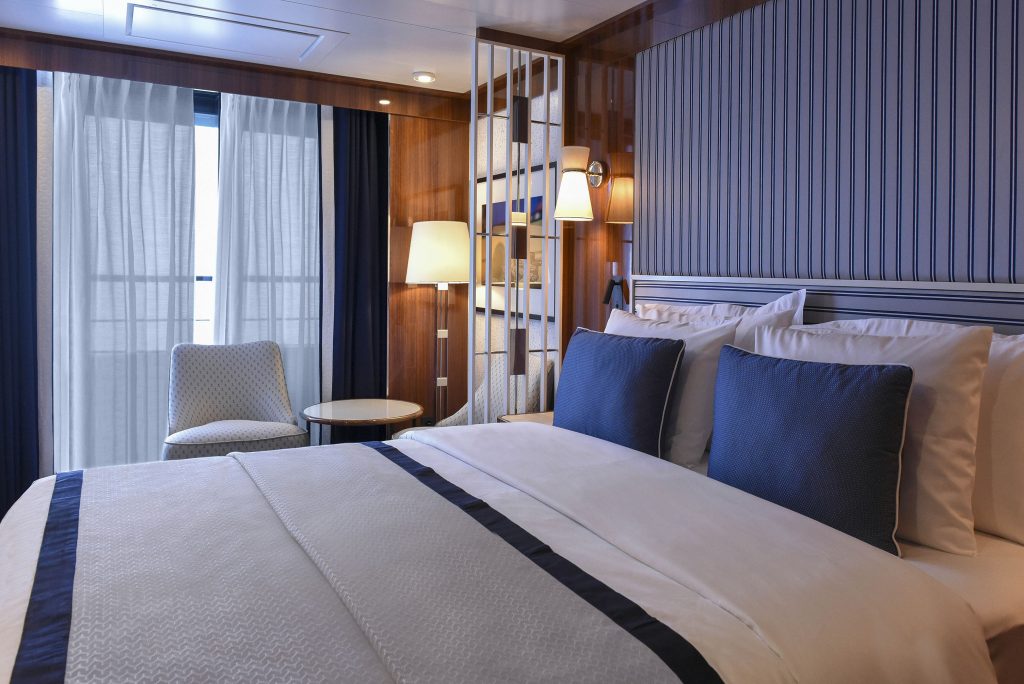
In Antarctica, I appreciated the comfortable accommodations, good food, and attentive staff aboard Atlas Ocean Voyages’ World Navigator, alongside an excellent expedition team. Returning to a welcoming ship was part of what made the whole journey enjoyable.
Think about where comfort will matter most to you: a quiet cabin, room for your gear, outdoor viewing space, or somewhere inviting to relax between outings. We’ll weigh those preferences alongside the exploration you want.
Match the Timing to Your Priorities
The best departure date depends on your interests, available time, and the destination. Seasonal changes can affect wildlife activity, daylight, weather, and access.
My Antarctica trip was late in the season, and we enjoyed wonderful wildlife encounters and unusually favorable weather. That was my experience on that departure, rather than something I would promise for another sailing.
We’ll choose timing around what matters to you, with realistic expectations about what nature may deliver.
Compare the Full Cost and the Operator’s Approach
The advertised fare is only part of the comparison. Check what’s included in excursions, equipment, transfers, flights, gratuities, and pre- or post-cruise arrangements. Optional activities may carry an additional charge or require advance reservations.
I also consider how the operator approaches wildlife encounters, local communities, and conservation. Specific practices and partnerships tell us more than a broad sustainability claim.
The aim is to understand what you’re paying for and how well it supports the experience you want.
Let’s Find the Right Expedition for You
You don’t need to research every ship before we talk. Bring your interests, any concerns, and an idea of your budget and timing.
I’ll help you narrow the choices and understand the tradeoffs, then plan the travel around your voyage. You can learn more about expedition and small-ship cruising or schedule a complimentary consultation to get started.