

I spend a lot of time helping travelers compare different ways to experience a destination, and river cruising has become one of my favorites for the right trip.
I’ve sailed the Rhine, Danube and Rhône and experienced different river cruise lines firsthand. What keeps drawing me back isn’t simply the convenience of unpacking once. It’s the way river cruising combines independent travel with some of the things a cruise does particularly well: handling logistics, connecting multiple destinations, and making the journey itself part of the experience.
It isn’t the right choice for everyone, but there are several reasons I recommend considering it.
You Spend More Time Experiencing the Destination
One of the biggest differences between river and ocean cruising is the relationship with the places you’re visiting.
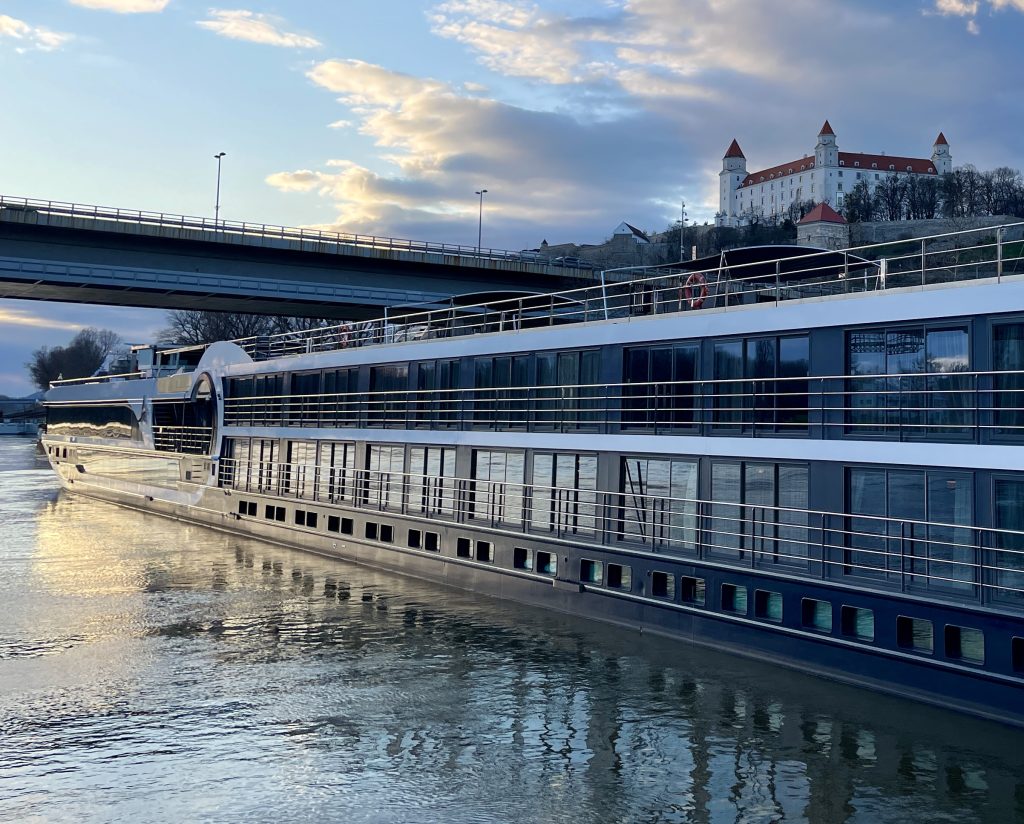
River ships often dock directly in or near cities and towns rather than at large cruise terminals removed from the destination. In some ports, you can simply walk off the ship and start exploring.
I’ve especially appreciated this on my own river cruises. I enjoy guided experiences, but I also want time to wander, find a café, explore a market or simply see what I discover. Depending on the itinerary and cruise line, river cruising can provide a nice balance between organized sightseeing and independent exploration.
Have more questions about how the experience works? See my River Cruising FAQs
The Scenery Is Part of the Trip
On a river cruise, getting from one destination to another isn’t simply transportation.
Sailing through the Rhine Gorge means passing castles, vineyards and small villages from the ship. Along the Rhône, the landscape changes as you travel toward southern France. On the Douro, terraced vineyards climb the hillsides around the river.
Some of my favorite river-cruise moments have been the quieter ones: sitting outside or in the lounge and watching the landscape go by.
You don’t necessarily need another activity scheduled during that time. Sometimes the journey itself is the activity.
For more inspiration, explore 6 River Cruise Destinations to Consider for Your Next Trip

You Can Experience Several Places Without Constantly Moving
I love a thoughtfully planned independent trip, but moving between destinations takes time and energy. Every hotel change means packing, checking out, getting to a train station or airport, navigating to the next hotel and unpacking again.
On a river cruise, your room travels with you.
That makes river cruising particularly useful for itineraries where you want to experience several places within a region without turning the trip into a logistical exercise.
It can also work beautifully as one part of a longer trip. You might spend several independent days in Amsterdam before sailing the Rhine, add Budapest after a Danube cruise, or combine a Rhône sailing with additional time elsewhere in France.
For many of my clients, that combination provides the best of both worlds: the ease of the cruise plus independent time before or afterward.
River Cruising Can Be Surprisingly Active
There’s a persistent image of river cruising as a very passive style of travel. That doesn’t have to be the case.
Depending on the cruise line and itinerary, excursion choices can include cycling, hiking, food tours, wine tastings and more active walking tours alongside traditional sightseeing.
The important part is choosing the right cruise line. Some offer considerably more choice in activity level than others.
This is one reason I don’t think choosing a river cruise should begin with whichever cruise line happens to be advertising most heavily. The experience can vary significantly even when two ships are sailing essentially the same itinerary.
There are many differences between cruise lines beyond the itinerary. My guide to How to Choose the Right River Cruise explains what I look at when comparing the options.
The Smaller Ships Change the Experience
River ships are significantly smaller than most ocean cruise ships, generally carrying a relatively small number of passengers.
That creates a different atmosphere onboard. There aren’t dozens of restaurants, large theaters or sprawling pool decks. Instead, the ship tends to function as a comfortable base for exploring the region.
I find that particularly appealing when the destination is the reason for the trip.
It also means you’ll begin recognizing fellow passengers and crew fairly quickly. Meals and public spaces can feel more social without requiring you to participate in organized activities every moment you’re onboard.
What’s Included Can Make Travel Easier
Most river cruises include at least some shore excursions, and many include considerably more depending on the cruise line.
Meals onboard, Wi-Fi and some beverages are commonly included, while other lines may also include gratuities, airport transfers, premium beverages, specialty dining or additional excursion choices.
This is one area where comparing cruise fares can become misleading. A lower initial fare isn’t necessarily the better value if many of the things you want are additional expenses.
Conversely, paying more for an extremely inclusive cruise doesn’t make much sense if you won’t use the things you’re paying for.
The goal is to find the level of inclusions that fits how you actually travel.
River Cruising Isn’t Right for Everyone
There are tradeoffs, and I think they’re worth understanding before booking.
If you’re looking for extensive nightlife, lots of restaurant choices, large-scale entertainment or resort-style amenities, a river ship may feel too quiet.
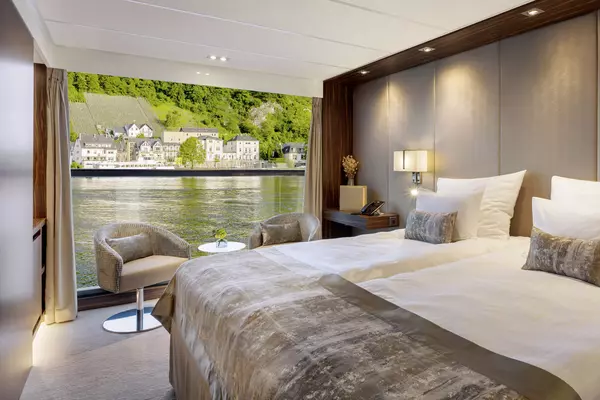
Cabins also tend to be smaller than hotel rooms, and you’re traveling on a river where water levels and weather can occasionally affect an itinerary.
And while excursions are a significant part of river cruising, some travelers simply prefer having complete control over every day of their trip. If your ideal vacation involves renting a car and spontaneously changing plans as you go, an independent trip may be a better fit.
I don’t recommend river cruising because I think everyone should take one. I recommend it when the style of travel matches what someone wants from the trip.
Who Is a River Cruise Best For?
River cruising may be worth considering if you:
- Want to experience several destinations without frequently changing hotels
- Enjoy history, culture, food and wine
- Like having logistics handled but still value some independence
- Prefer smaller ships to large ocean cruise vessels
- Appreciate guided experiences but don’t necessarily want every minute scheduled
- Enjoy watching the landscape and journey unfold around you
- Want to combine a cruise with independent travel before or afterward
If several of those sound like you, river cruising is probably worth exploring.

Finding the Right River Cruise
The next question is usually where to go and which cruise line to choose.
That’s where the details matter. The river, itinerary, ship, excursions, inclusions and overall atmosphere all shape the experience, and the “best” choice depends much more on the traveler than on a cruise-line ranking.
I’ve sailed several European rivers, experienced different river cruise lines firsthand, and regularly continue my education through ship visits and industry training. I use that experience to help clients narrow the choices and find the combination that fits how they want to travel.
If you’re starting to explore the possibilities, How to Choose the Right River Cruise is a good next step. You can also visit my River Cruising page for destination ideas, FAQs and more information about how I help clients plan river cruises.