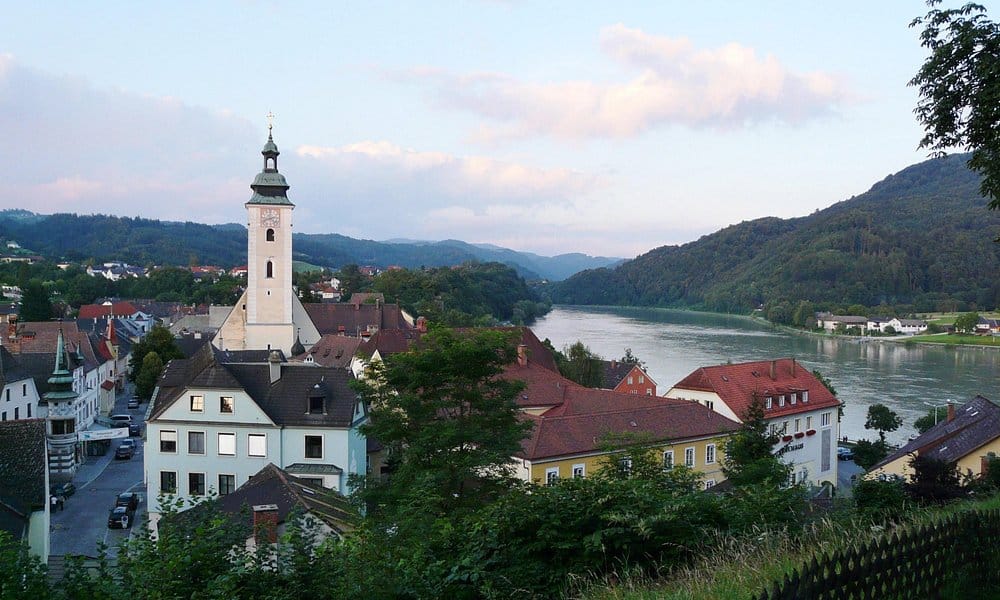

If you’re considering your first river cruise, you probably have questions about how the experience works and how it differs from other ways of traveling.
These are some of the questions I hear most often from travelers as they begin exploring river cruising.
River Cruise Basics
What is a river cruise?
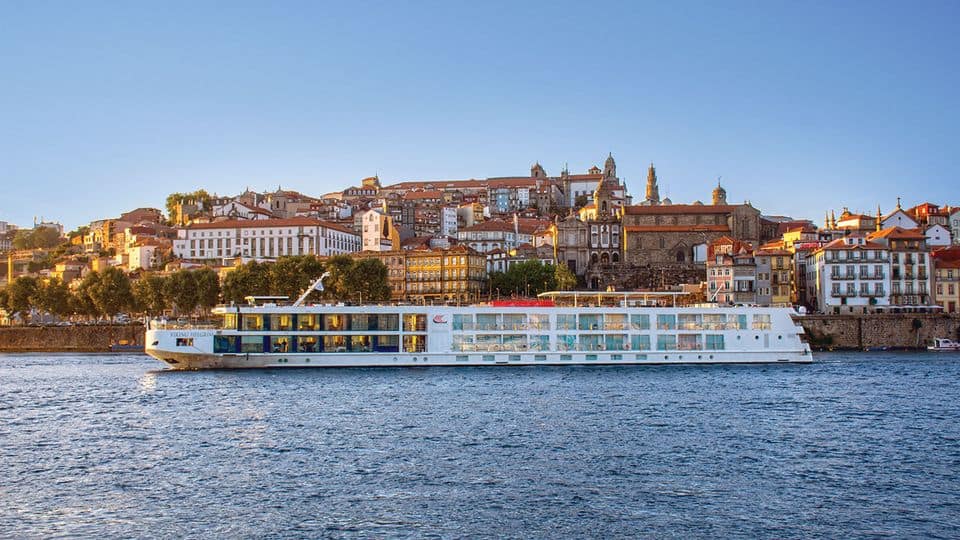
A river cruise is a small-ship cruise along an inland waterway such as the Rhine, Danube, Rhône, Seine or Douro in Europe, or rivers such as the Nile, Mekong and Amazon farther afield.
Unlike most ocean cruises, the destination is generally the focus. Ships travel between cities, towns and regions along the river, often docking close enough for you to walk directly into the destination.
How is a river cruise different from an ocean cruise?
The biggest differences are ship size and the overall focus of the experience.
River ships are much smaller than most ocean cruise ships and generally have fewer restaurants, entertainment venues and onboard amenities. Instead, the emphasis is on the destinations you’re visiting, with frequent port stops and excursions included on most itineraries.
There are also no sea days in the traditional sense. Even when you’re sailing during the day, the scenery along the river is often part of the experience.
What’s included on a river cruise?
Inclusions vary considerably by cruise line, which is one reason comparing river cruises based solely on price can be misleading.
Most include accommodations, onboard meals, Wi-Fi and at least one sightseeing option in many ports. Depending on the cruise line, your fare might also include alcoholic beverages, specialty dining, multiple excursion choices, bicycles, gratuities, airport transfers or other amenities.
Understanding what you will actually use is more important than simply finding the cruise with the longest list of inclusions.
For more on comparing inclusions, ships and itineraries, read How to Choose the Right River Cruise
Are river cruises all-inclusive?
Some come close, but not all river cruises are truly all-inclusive.
Luxury lines may include most beverages, gratuities, transfers and a broad range of excursions, while other cruise lines allow you to pay separately for certain experiences or services.
Neither approach is inherently better. It depends on whether you value the additional inclusions enough to pay for them.
Is a river cruise worth it?
For the right traveler, absolutely. A river cruise can make it remarkably easy to experience several destinations without repeatedly changing hotels or arranging transportation between them.
You’re also paying for more than your cabin. Meals, transportation between destinations, excursions and other inclusions may all be part of the fare.
Whether that represents good value depends on how you like to travel and which inclusions matter to you. Someone who enjoys guided experiences, cultural sightseeing and the convenience of having logistics handled may see considerably more value than someone who prefers completely independent travel.
I share more of my firsthand perspective in Why I Recommend River Cruising (and Who It’s Best For)
Choosing Your River Cruise
Which river cruise line is best?
There isn’t one river cruise line that’s best for everyone.
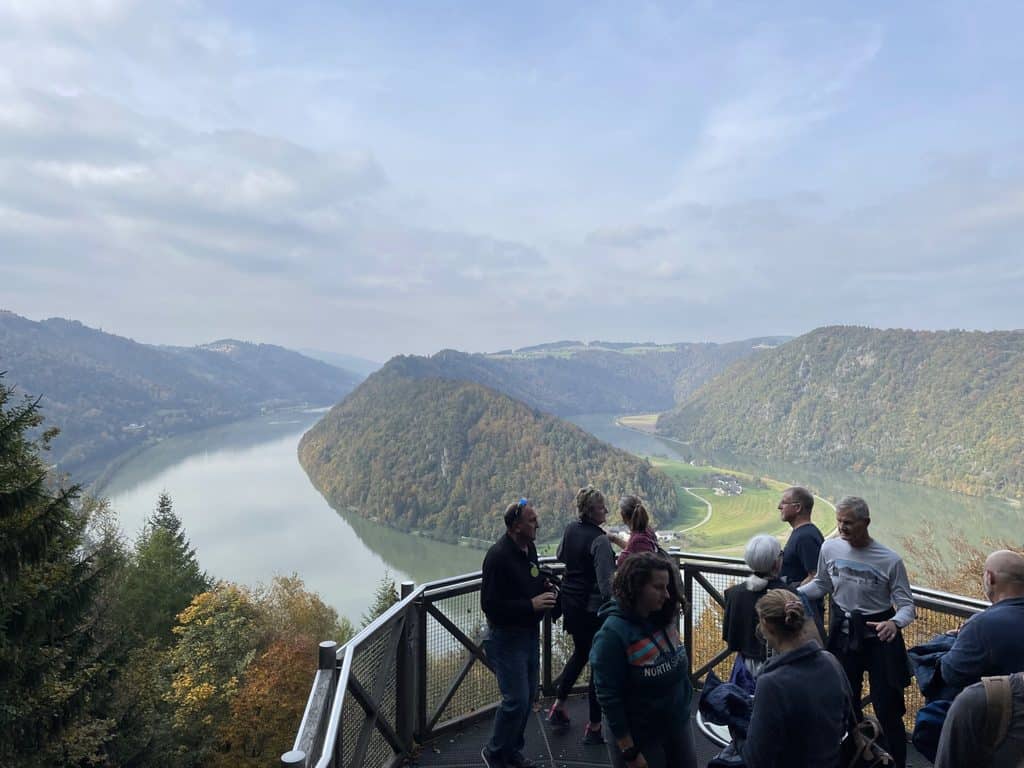
Cruise lines differ in cabin design, dining, excursions, activity levels, inclusions, onboard atmosphere and price. Some are especially good for active travelers, while others emphasize luxury, food and wine, cultural immersion or a more traditional style of sightseeing.
Rather than starting with a particular cruise line, I prefer to start with the traveler and work backward from there.
For more on comparing inclusions, ships and itineraries, read How to Choose the Right River Cruise
Which European river is best for a first river cruise?
The Rhine and Danube are both excellent places to begin, but they offer different experiences.
The Rhine is particularly known for castles, vineyards and smaller historic towns, while the Danube combines major cities such as Vienna and Budapest with towns and countryside throughout Central Europe.
But your first river cruise doesn’t have to be either one. Travelers particularly interested in France might prefer the Rhône or Seine, while the Douro is appealing for scenery, wine and a more relaxed pace.
The best first river cruise is the one that matches what you’re most interested in experiencing.
For a closer look at the options, explore 6 River Cruise Destinations to Consider for Your Next Trip
What is the best time of year for a European river cruise?
The main European river cruise season generally runs from spring through late fall, with Christmas market cruises extending into December.
Spring can bring cooler temperatures and fewer crowds. Summer offers long days and warmer weather, but it’s also peak travel season. Early fall is especially appealing for wine regions and comfortable sightseeing, while late November and December bring Christmas market itineraries along rivers such as the Rhine and Danube.
There isn’t one universally best month. Weather, crowds, river conditions, pricing and what you want to experience should all factor into the decision.
If you’re interested in traveling during the holiday season, my guide to Christmas Market River Cruises explains how to choose the right route and timing.
How far in advance should I book a river cruise?
For the best choice of itineraries, dates and cabin categories, I generally recommend starting the conversation about a year in advance, and sometimes earlier for popular sailings.
Christmas market cruises, tulip season, certain suites and limited-departure itineraries can fill particularly early.
That doesn’t mean you can’t find a good river cruise closer to departure, but waiting usually means choosing from what’s still available rather than starting with the options that best fit you.
What Is the River Cruise Experience Really Like?
Can I explore independently instead of taking the included excursions?
Often, yes, and this is one of the things I enjoy about river cruising.
Many ships dock within walking distance of the town or city you’re visiting, making independent exploration relatively easy. You might take an included morning tour and then spend the afternoon wandering on your own, or occasionally skip the organized excursion entirely.
There are exceptions. Some ports require transportation to reach the main sights, and docking locations can vary, so it’s worth looking at the specific itinerary rather than assuming you’ll always step directly into the center of town.
Are river cruises good for active travelers?
They can be, particularly if you choose the right cruise line and itinerary.
Some river cruise companies offer cycling, hiking and more active walking tours alongside traditional sightseeing. Ships may also carry bicycles or offer fitness and wellness programming.
If staying active is important to you, this is something I’d consider when comparing cruise lines rather than assuming every river cruise offers the same choices.
Are river cruises accessible for travelers with mobility needs?
It depends on the ship, docking arrangements, and excursions. We’ll check which decks the lift serves, how you board and leave the ship, and whether shore visits involve steps, cobblestones, or extended walking. An accessible cabin doesn’t necessarily mean every excursion will suit your needs.
My guide to planning around your travel accessibility needs explains what we’ll discuss before choosing a cruise.
I share more of my firsthand perspective in Why I Recommend River Cruising (and Who It’s Best For)
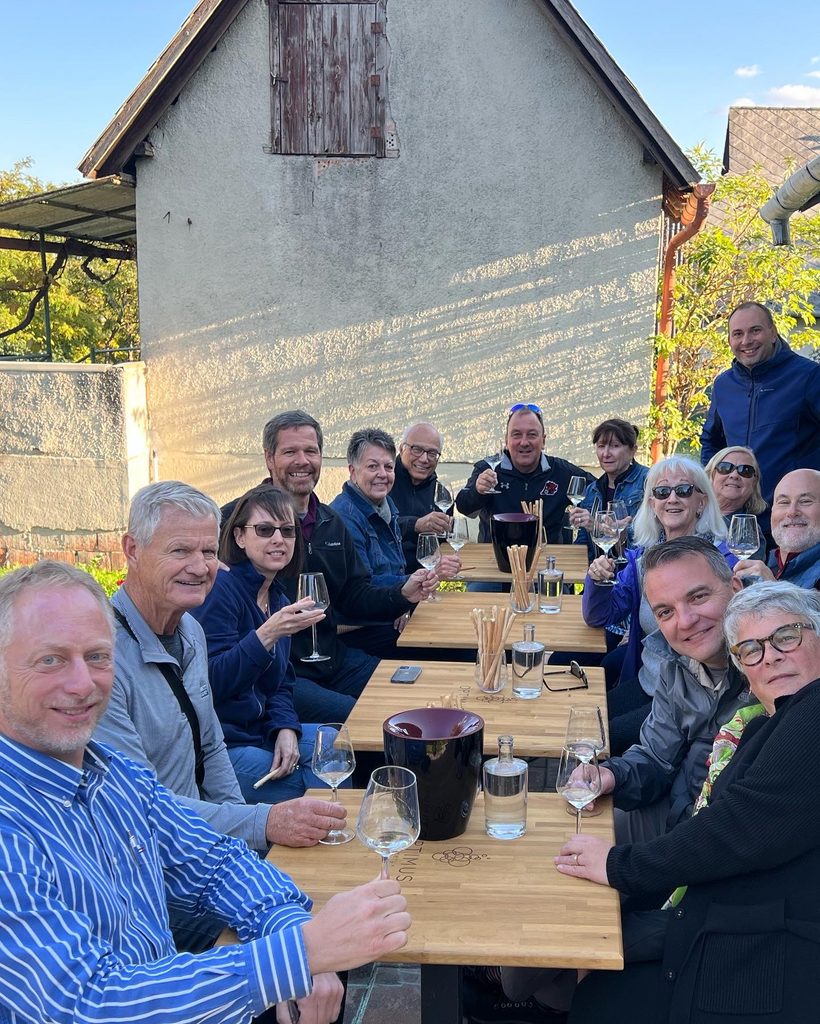
Wine tasting in the country side outside of Budapest.
What happens if river levels are too high or too low?
River levels can occasionally affect a sailing, particularly during periods of unusually high or low water.
Depending on the conditions and location, a cruise line might adjust an itinerary, change docking locations, use motorcoaches for part of the journey or, in more significant situations, move passengers between ships.
It’s impossible to guarantee river conditions months in advance. Different ships and cruise lines may also have different operational options when conditions change.
This is one reason I recommend travel insurance and paying attention to cruise-line communications as departure approaches.
Will I Get Seasick on a River Cruise?
Seasickness is generally much less of a concern on a river cruise than on an ocean cruise. You’re traveling on protected inland waterways without ocean swells, and river ships typically move smoothly along the water.
That doesn’t mean motion is impossible, but travelers who avoid ocean cruising because they’re prone to seasickness often find river cruising to be a very different experience.
If motion sickness is a significant concern for you, it’s still worth discussing before choosing a trip, but I wouldn’t assume that a bad experience on an ocean cruise means river cruising isn’t an option.
Are river cruises only for older travelers?
River cruising does tend to attract an adult audience, and many sailings skew older than contemporary ocean cruises. But the experience varies considerably by cruise line, itinerary and season.
More active excursion choices, shorter itineraries and certain cruise lines can appeal to a broader range of travelers. Families and multigenerational groups also have options, although river ships generally offer far fewer dedicated children’s facilities than large ocean ships.
Rather than focusing on a particular age, I think the better question is whether you enjoy the style of travel: smaller ships, destination-focused days, cultural experiences and a quieter onboard atmosphere.
Still Deciding Whether River Cruising Is Right for You?
Choosing a river cruise involves more than deciding where you want to go. The cruise line, itinerary, ship, cabin, excursions and inclusions all influence the experience.
I’ve sailed several European rivers and experienced different river cruise lines firsthand, and I use that perspective to help clients sort through the choices and find the trip that fits how they want to travel.
If you’re still exploring, read How to Choose the Right River Cruise or visit my River Cruising page for more resources and destination ideas.