
Category: Work with Me

  • Travel Accessibility: Planning Around Your Needs

    You may need step-free access, prefer shorter walks, or want more time to rest between activities. You might also have hearing, vision, sensory, or other needs that affect how you experience a trip.

    These are useful things to discuss early. They help us choose the accommodation, transportation, activities, and pace that will allow you to enjoy the journey.

    Accessibility is specific to the traveler. A trip described as “easy” or a hotel labeled “accessible” needs a closer look to understand whether it meets your needs.
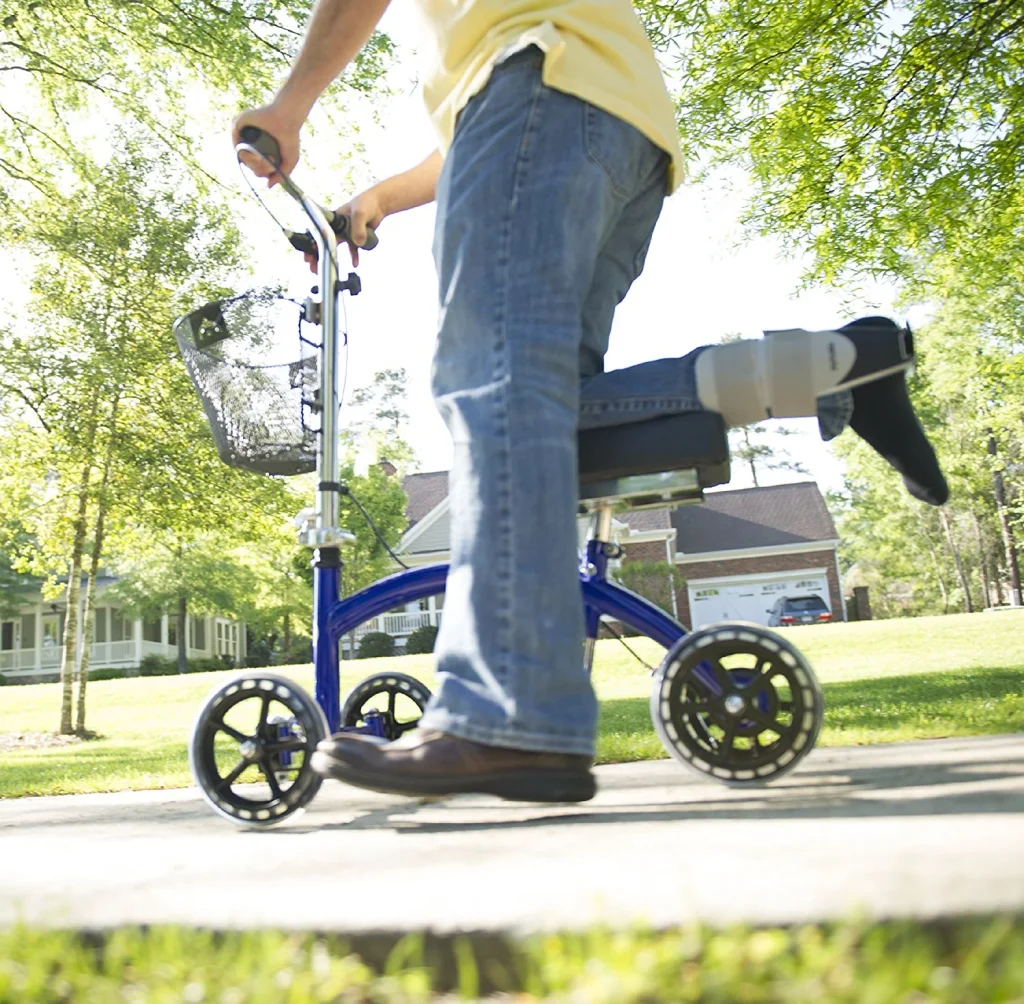
    Using a knee scooter on a sidewalk
    Some needs may be temporary, but still need consideration to ease travel barriers

    Start with What Works for You

    We’ll begin with practical details rather than broad labels.

    How far can you comfortably walk? Are stairs manageable? Does standing for an extended period cause difficulty? If you use a mobility device, what space and assistance do you need?

    Hearing support, readable information, quieter environments, and predictable schedules may matter just as much. Tell me what makes a day enjoyable and what tends to make it difficult.

    For couples, families, or groups with different needs, we can look at where everyone wants to participate together and where separate options might work better.


    Look Beyond the Hotel Room

    An accessible room is one part of the stay. We also need to consider the route from the street to reception, the lift, dining areas, and the facilities you want to use.

    The details depend on your needs. A walk-in shower may still have a raised threshold. A property with a lift may have steps at its entrance or areas the lift doesn’t serve.

    When necessary, I’ll request specific information, measurements, or photographs from the property. We’ll distinguish a confirmed feature from a request that remains subject to availability.


    Match Europe’s Experiences to Your Comfort Level

    Historic streets, cobblestones, hills, stairs, and older buildings can affect a day of exploring. A walking tour’s duration doesn’t tell us the whole story.

    We’ll consider distance, terrain, standing time, opportunities to sit, and access to restrooms. A private guide may be able to adjust the route or pace, but we need to confirm what the sites themselves allow.

    A thoughtfully located hotel, planned transportation, and fewer activities can make the itinerary more manageable. We’ll choose the experiences you most want rather than assuming every highlight needs to fit.
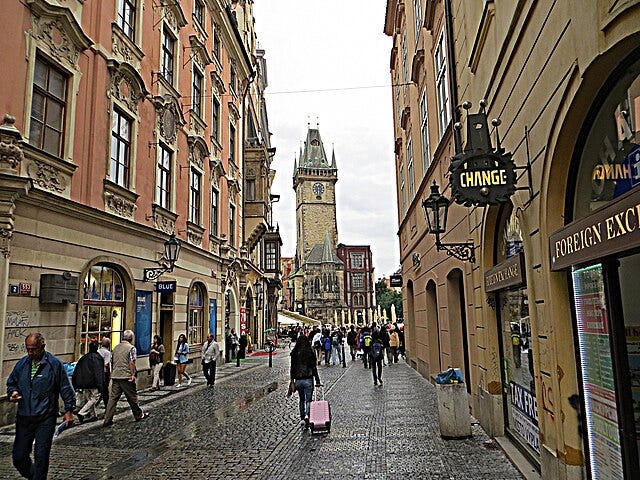
    Walking a cobblestone street with luggage in Europe

    Check River Cruising Onboard and Ashore

    Unpacking once can make river cruising appealing, but the ship and excursions each deserve a separate accessibility review.

    Questions include which decks the lift serves, whether the cabin layout works for you, and how you board and leave the ship. Some docking arrangements require crossing another vessel, which can introduce additional obstacles.

    A gentler excursion may still involve cobblestones, steps, or periods of standing. We’ll check the actual requirements and alternatives instead of relying on the excursion’s name.

    The specific ship and itinerary matter when choosing a river cruise.


    Understand Expedition and Small-Ship Requirements

    An expedition may involve boarding a Zodiac or skiff, stepping ashore on uneven ground, or getting in and out of a kayak. Shipboard access and the ability to join an outing are separate considerations.

    We’ll ask about boarding procedures, permitted assistance, activity requirements, and alternatives. Assistance with one task doesn’t establish that the whole excursion is suitable.

    If a landing isn’t possible for you, we should understand what you could do instead and whether the overall voyage would still be enjoyable. These questions are part of choosing an expedition cruise.


    Include Transportation and Daily Pace

    Airport assistance, station access, vehicle boarding, and space for mobility equipment should be considered alongside hotels and tours.

    A private transfer can simplify some logistics, but the vehicle still needs to meet your requirements. Likewise, a short train ride can involve challenging station access.

    Rest time matters, too. Longer stays, later starts, shorter outings, and open afternoons can help create a trip that fits your energy level.

    Confirm the Details Before Booking

    I’ll work with providers to clarify requirements and available accommodations. Where more specialist arrangements are needed, we can explore appropriate partners.

    Some limitations may remain, and we’ll discuss them before deciding. Specific information is more useful than a general assurance that something will be fine.

    If your needs change after booking, let me know promptly so we can review the arrangements.


    Let’s Plan Around You

    You don’t need to wait until you’ve chosen a destination or cruise to discuss accessibility.

    We can start with what you want from the trip and what would help you participate comfortably, then explore suitable options. Learn more about working with me, or schedule a complimentary consultation to begin the conversation.
  • Meaningful Travel: Connecting with Places and Supporting the People Who Live There

    Some of the best travel memories come from a conversation, a shared meal, or a guide who helps you understand a place differently.

    Those experiences are part of what I mean by meaningful travel: a trip that connects you with a destination while considering the people, culture, and environment that make it special.

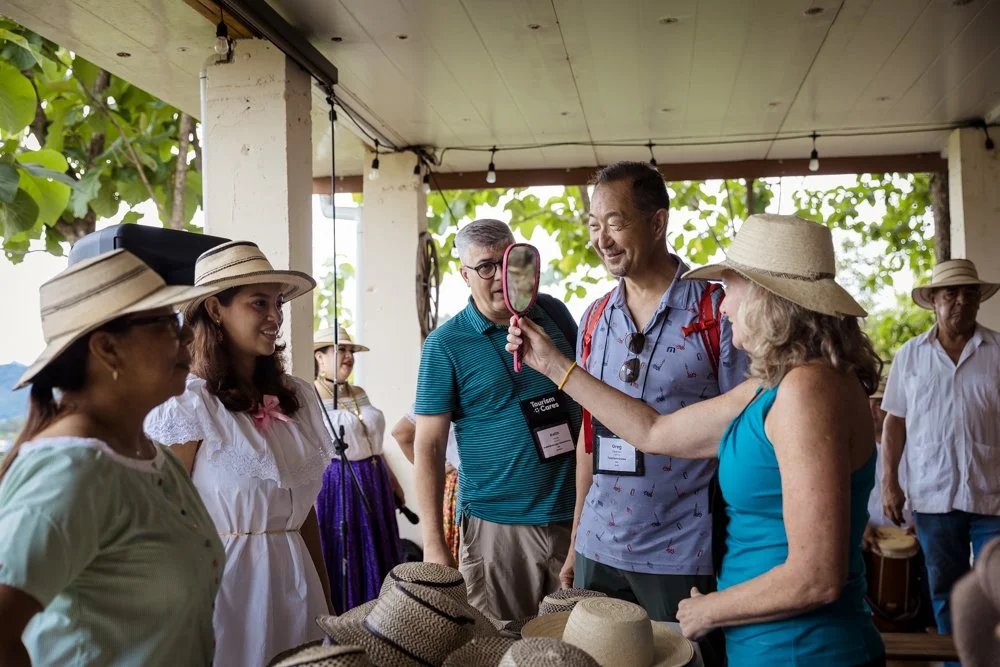
    My learning through Virtuoso, ASTA and Tourism Cares has reinforced that approach. Tourism Cares emphasizes travel that benefits local communities, and I find that a useful starting point when thinking about the experiences I recommend.

    Read more about meaningful travel experiences I’ve had around the world, such as in the Galapagos and Antarctica.

    Shopping local // Copyright: Tarina Rodriguez

    Start with the People Who Know the Place

    Local guides, independent businesses, and community-led experiences can bring valuable perspectives to a journey.

    That might mean exploring a neighborhood with a guide who lives there, visiting a workshop where artisans explain their craft, or choosing a locally owned restaurant. The experience should feel relevant to your interests, with the people hosting it having a clear role in how it is offered.

    I look for partners who can explain their local relationships and how an experience supports the people involved. A visit described as “authentic” deserves the same thoughtful questions as any other travel recommendation.


    Make Room to Experience Daily Life

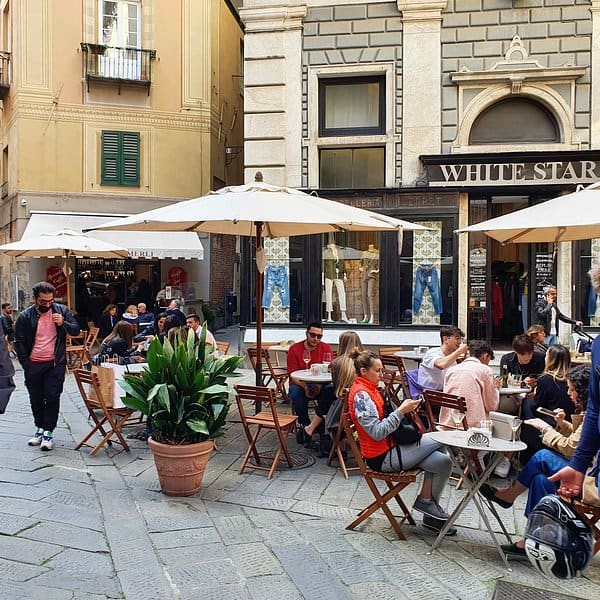
    A well-paced itinerary gives you time to notice more. You can return to a café you enjoyed, browse a market, or spend an afternoon exploring without watching the clock.

    For custom Europe trips, that often means fewer hotel changes and more time in each place. On a cruise, it may mean choosing your time ashore carefully rather than filling every available hour.

    Independent exploration and guided experiences can complement each other. A good introduction helps you understand a destination; open time lets you follow your own interests.


    Respect the Communities Welcoming You

    Places that welcome travelers are also places where people live and work.

    I encourage clients to learn a little about local customs, ask before photographing people, and follow guidance at cultural and religious sites. When visiting an Indigenous community or taking part in a cultural experience, I look for local participation and leadership in how that encounter is presented.

    Popular sights can still be worthwhile. We can consider when and how to visit them, alongside experiences that broaden your view of the destination.


    Look Carefully at Wildlife Experiences

    Wildlife has been a memorable part of my travels in Antarctica, Alaska, and the Galápagos. It also makes the choice of operator and guide particularly important.

    I favor experiences built around observing animals in their habitat, following local guidance, and giving wildlife space. I ask questions about encounters that depend on touching, feeding, or manipulating animals for a photograph.

    Good guiding adds understanding. Learning about an animal’s behavior and habitat can make an encounter more rewarding while helping you appreciate why boundaries matter.

    Giant tortoise in the Galapagos
    Giant tortoise in the Galapagos

    Consider How Travel Can Support Conservation

    You may hear the term “nature-positive tourism.” I use it here to describe an approach that looks for opportunities to support the protection and recovery of nature.

    When evaluating an experience, I look for specifics: conservation partnerships, habitat protection, local stewardship, or a clear explanation of how visitor spending supports that work.

    I also ask about practical environmental measures. A broad sustainability claim or a smaller ship, on its own, gives me too little information to assess an operator.


    Make Thoughtful Choices About the Journey

    Transportation and accommodation are part of the picture, too.

    When a train is a practical alternative to a short flight, or a longer stay reduces unnecessary travel between places, we can consider those options. I also look at hotel location and how it affects getting around.

    These choices need to work for your time, budget, and accessibility needs. The aim is a trip that is enjoyable and manageable, with consideration built into the planning.

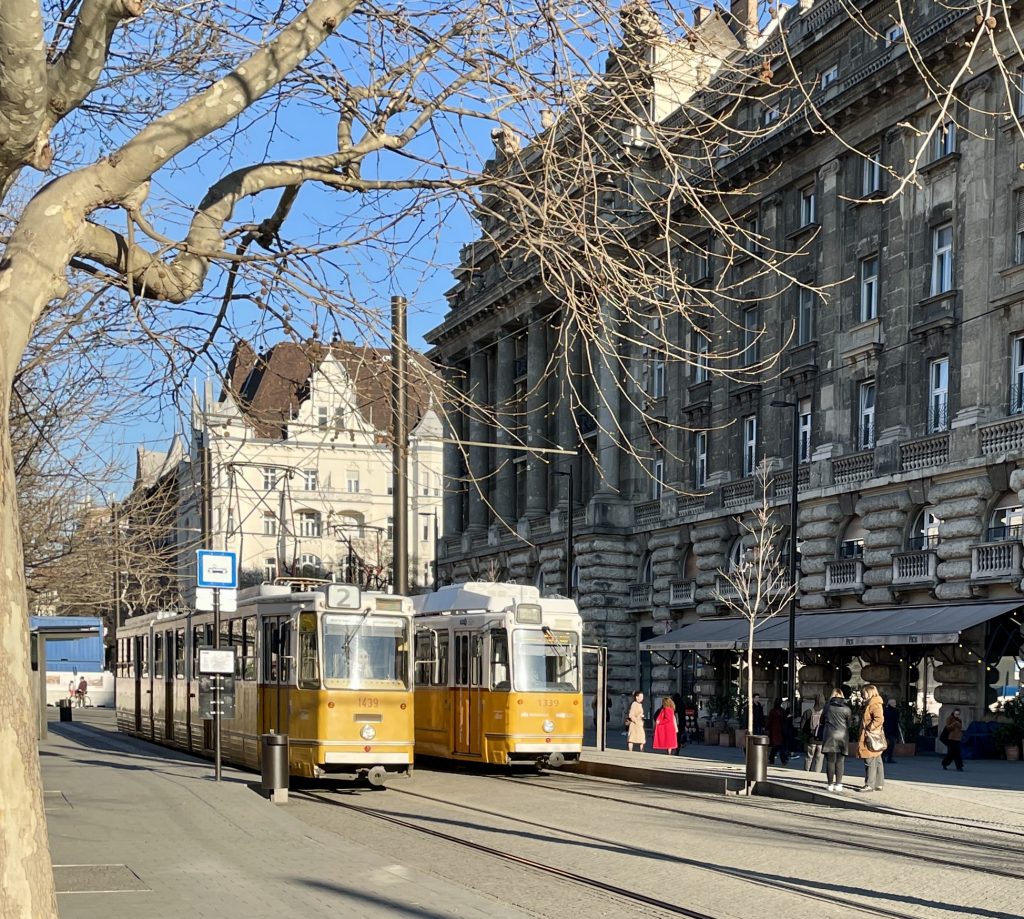
    Trams in Budapest, Hungary
    Trams in Budapest, Hungary

    How This Shapes Your Trip

    Meaningful travel can fit into a city break, river cruise, expedition, or longer custom itinerary. It starts with choosing experiences and partners thoughtfully, then leaving room to enjoy them.

    Tell me what matters to you, whether that’s local food, cultural understanding, wildlife, conservation, or time connecting with the people you meet.

    You can learn more about what it’s like to work together, or schedule a complimentary consultation to begin planning.