
Author: nicolelindbergtravel

  • Travel Accessibility: Planning Around Your Needs

    You may need step-free access, prefer shorter walks, or want more time to rest between activities. You might also have hearing, vision, sensory, or other needs that affect how you experience a trip.

    These are useful things to discuss early. They help us choose the accommodation, transportation, activities, and pace that will allow you to enjoy the journey.

    Accessibility is specific to the traveler. A trip described as “easy” or a hotel labeled “accessible” needs a closer look to understand whether it meets your needs.

    Using a knee scooter on a sidewalk
    Some needs may be temporary, but still need consideration to ease travel barriers

    Start with What Works for You

    We’ll begin with practical details rather than broad labels.

    How far can you comfortably walk? Are stairs manageable? Does standing for an extended period cause difficulty? If you use a mobility device, what space and assistance do you need?

    Hearing support, readable information, quieter environments, and predictable schedules may matter just as much. Tell me what makes a day enjoyable and what tends to make it difficult.

    For couples, families, or groups with different needs, we can look at where everyone wants to participate together and where separate options might work better.


    Look Beyond the Hotel Room

    An accessible room is one part of the stay. We also need to consider the route from the street to reception, the lift, dining areas, and the facilities you want to use.

    The details depend on your needs. A walk-in shower may still have a raised threshold. A property with a lift may have steps at its entrance or areas the lift doesn’t serve.

    When necessary, I’ll request specific information, measurements, or photographs from the property. We’ll distinguish a confirmed feature from a request that remains subject to availability.


    Match Europe’s Experiences to Your Comfort Level

    Historic streets, cobblestones, hills, stairs, and older buildings can affect a day of exploring. A walking tour’s duration doesn’t tell us the whole story.

    We’ll consider distance, terrain, standing time, opportunities to sit, and access to restrooms. A private guide may be able to adjust the route or pace, but we need to confirm what the sites themselves allow.

    A thoughtfully located hotel, planned transportation, and fewer activities can make the itinerary more manageable. We’ll choose the experiences you most want rather than assuming every highlight needs to fit.
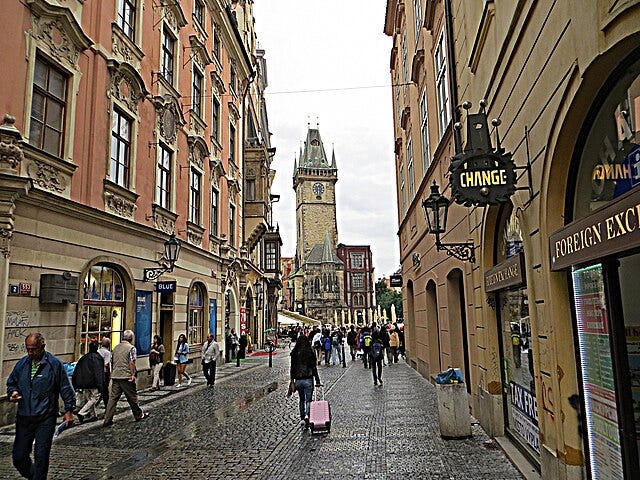
    Walking a cobblestone street with luggage in Europe

    Check River Cruising Onboard and Ashore

    Unpacking once can make river cruising appealing, but the ship and excursions each deserve a separate accessibility review.

    Questions include which decks the lift serves, whether the cabin layout works for you, and how you board and leave the ship. Some docking arrangements require crossing another vessel, which can introduce additional obstacles.

    A gentler excursion may still involve cobblestones, steps, or periods of standing. We’ll check the actual requirements and alternatives instead of relying on the excursion’s name.

    The specific ship and itinerary matter when choosing a river cruise.


    Understand Expedition and Small-Ship Requirements

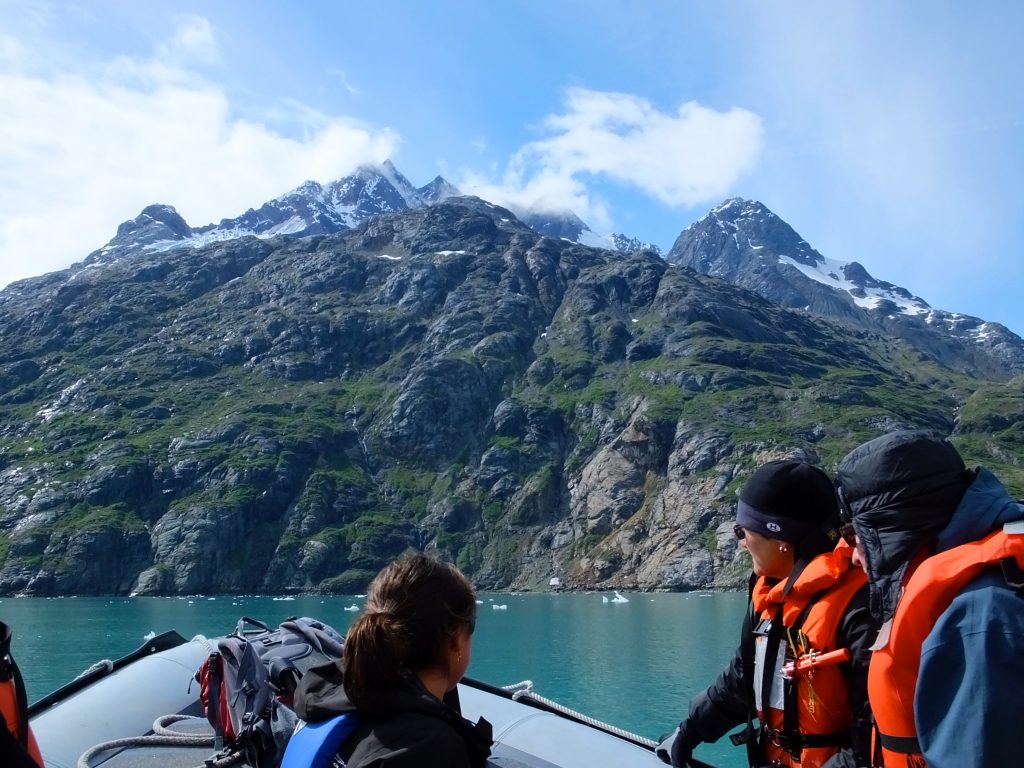
    An expedition may involve boarding a Zodiac or skiff, stepping ashore on uneven ground, or getting in and out of a kayak. Shipboard access and the ability to join an outing are separate considerations.

    We’ll ask about boarding procedures, permitted assistance, activity requirements, and alternatives. Assistance with one task doesn’t establish that the whole excursion is suitable.

    If a landing isn’t possible for you, we should understand what you could do instead and whether the overall voyage would still be enjoyable. These questions are part of choosing an expedition cruise.


    Include Transportation and Daily Pace

    Airport assistance, station access, vehicle boarding, and space for mobility equipment should be considered alongside hotels and tours.

    A private transfer can simplify some logistics, but the vehicle still needs to meet your requirements. Likewise, a short train ride can involve challenging station access.

    Rest time matters, too. Longer stays, later starts, shorter outings, and open afternoons can help create a trip that fits your energy level.


    Confirm the Details Before Booking

    I’ll work with providers to clarify requirements and available accommodations. Where more specialist arrangements are needed, we can explore appropriate partners.

    Some limitations may remain, and we’ll discuss them before deciding. Specific information is more useful than a general assurance that something will be fine.

    If your needs change after booking, let me know promptly so we can review the arrangements.


    Let’s Plan Around You

    You don’t need to wait until you’ve chosen a destination or cruise to discuss accessibility.

    We can start with what you want from the trip and what would help you participate comfortably, then explore suitable options. Learn more about working with me, or schedule a complimentary consultation to begin the conversation.

  • Meaningful Travel: Connecting with Places and Supporting the People Who Live There

    Some of the best travel memories come from a conversation, a shared meal, or a guide who helps you understand a place differently.

    Those experiences are part of what I mean by meaningful travel: a trip that connects you with a destination while considering the people, culture, and environment that make it special.

    My learning through Virtuoso, ASTA and Tourism Cares has reinforced that approach. Tourism Cares emphasizes travel that benefits local communities, and I find that a useful starting point when thinking about the experiences I recommend.

    Read more about meaningful travel experiences I’ve had around the world, such as in the Galapagos and Antarctica.

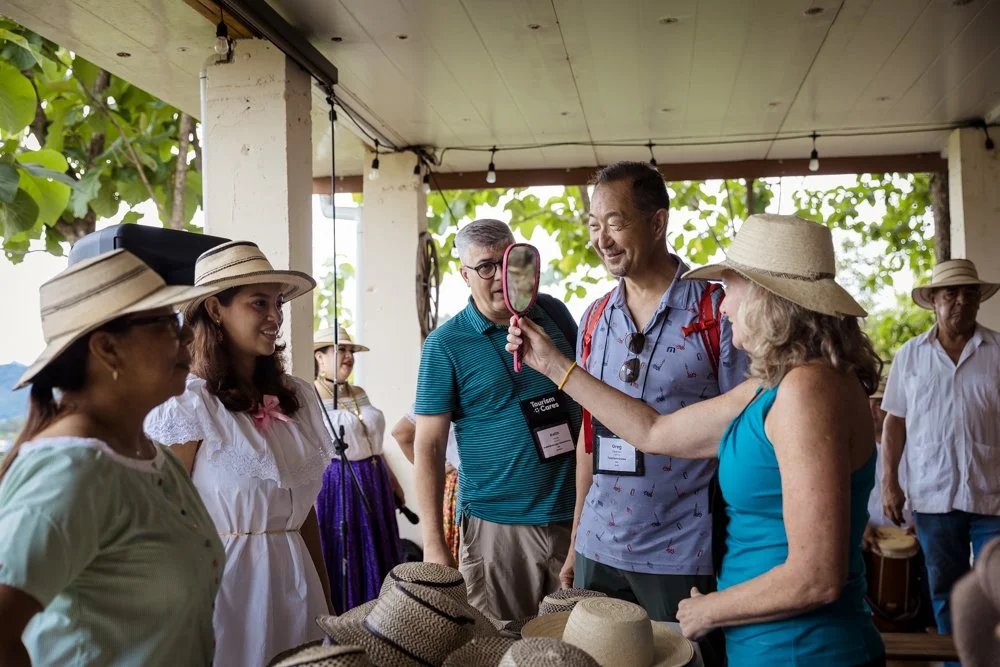
    Shopping local // Copyright: Tarina Rodriguez

    Start with the People Who Know the Place

    Local guides, independent businesses, and community-led experiences can bring valuable perspectives to a journey.

    That might mean exploring a neighborhood with a guide who lives there, visiting a workshop where artisans explain their craft, or choosing a locally owned restaurant. The experience should feel relevant to your interests, with the people hosting it having a clear role in how it is offered.

    I look for partners who can explain their local relationships and how an experience supports the people involved. A visit described as “authentic” deserves the same thoughtful questions as any other travel recommendation.


    Make Room to Experience Daily Life

    A well-paced itinerary gives you time to notice more. You can return to a café you enjoyed, browse a market, or spend an afternoon exploring without watching the clock.

    For custom Europe trips, that often means fewer hotel changes and more time in each place. On a cruise, it may mean choosing your time ashore carefully rather than filling every available hour.

    Independent exploration and guided experiences can complement each other. A good introduction helps you understand a destination; open time lets you follow your own interests.


    Respect the Communities Welcoming You

    Places that welcome travelers are also places where people live and work.

    I encourage clients to learn a little about local customs, ask before photographing people, and follow guidance at cultural and religious sites. When visiting an Indigenous community or taking part in a cultural experience, I look for local participation and leadership in how that encounter is presented.

    Popular sights can still be worthwhile. We can consider when and how to visit them, alongside experiences that broaden your view of the destination.


    Look Carefully at Wildlife Experiences

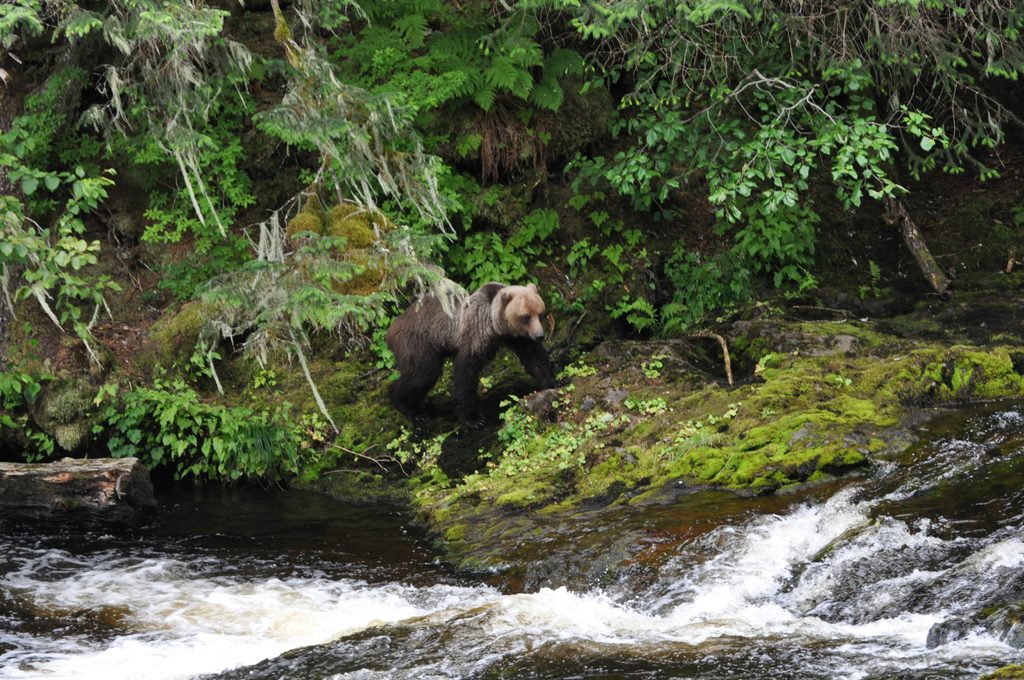
    Wildlife has been a memorable part of my travels in Antarctica, Alaska, and the Galápagos. It also makes the choice of operator and guide particularly important.

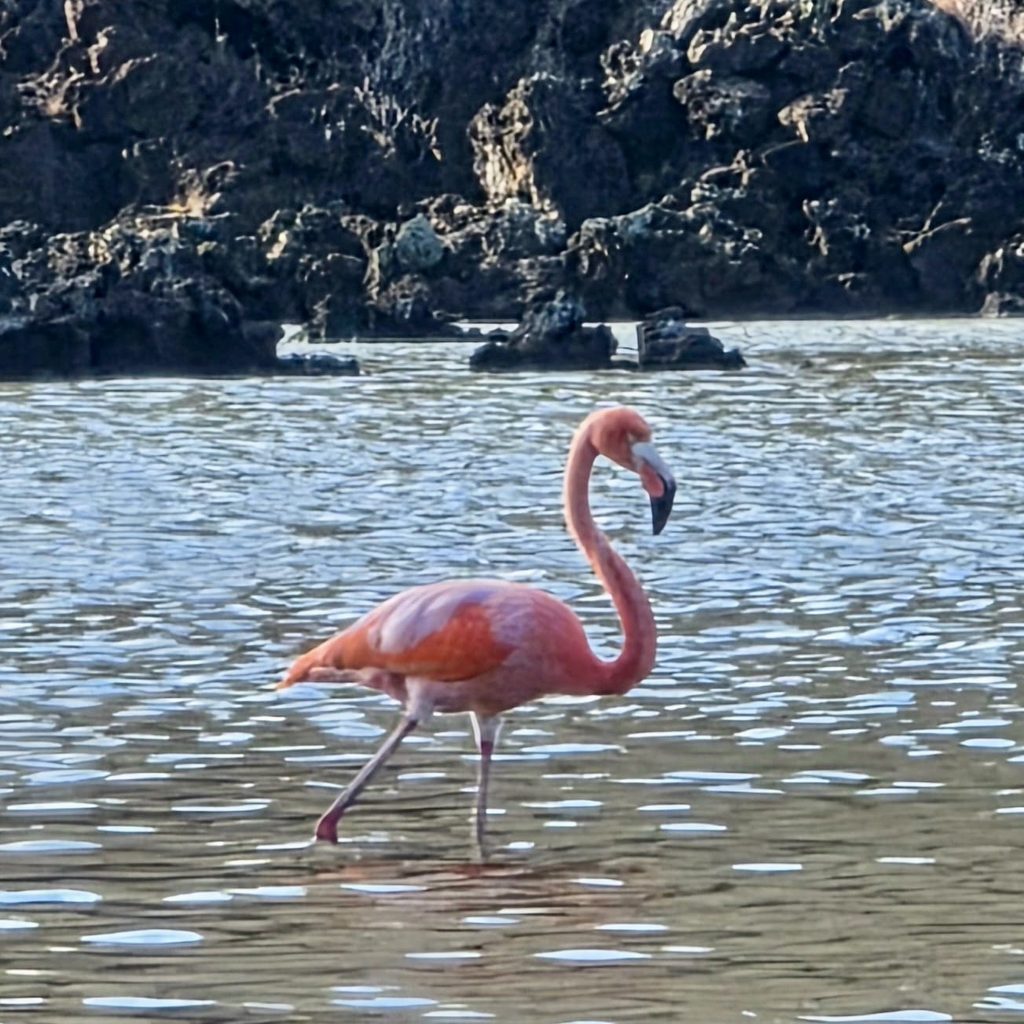
    I favor experiences built around observing animals in their habitat, following local guidance, and giving wildlife space. I ask questions about encounters that depend on touching, feeding, or manipulating animals for a photograph.

    Good guiding adds understanding. Learning about an animal’s behavior and habitat can make an encounter more rewarding while helping you appreciate why boundaries matter.

    Giant tortoise in the Galapagos
    Giant tortoise in the Galapagos

    Consider How Travel Can Support Conservation

    You may hear the term “nature-positive tourism.” I use it here to describe an approach that looks for opportunities to support the protection and recovery of nature.

    When evaluating an experience, I look for specifics: conservation partnerships, habitat protection, local stewardship, or a clear explanation of how visitor spending supports that work.

    I also ask about practical environmental measures. A broad sustainability claim or a smaller ship, on its own, gives me too little information to assess an operator.


    Make Thoughtful Choices About the Journey

    Transportation and accommodation are part of the picture, too.

    When a train is a practical alternative to a short flight, or a longer stay reduces unnecessary travel between places, we can consider those options. I also look at hotel location and how it affects getting around.

    These choices need to work for your time, budget, and accessibility needs. The aim is a trip that is enjoyable and manageable, with consideration built into the planning.

    Trams in Budapest, Hungary
    Trams in Budapest, Hungary

    How This Shapes Your Trip

    Meaningful travel can fit into a city break, river cruise, expedition, or longer custom itinerary. It starts with choosing experiences and partners thoughtfully, then leaving room to enjoy them.

    Tell me what matters to you, whether that’s local food, cultural understanding, wildlife, conservation, or time connecting with the people you meet.

    You can learn more about what it’s like to work together, or schedule a complimentary consultation to begin planning.

  • Scotland by Expedition Ship: Exploring the Outer Islands

    Before sailing Scotland’s outer islands, I thought of them as remote: windswept places, difficult to reach and far from the center of things.

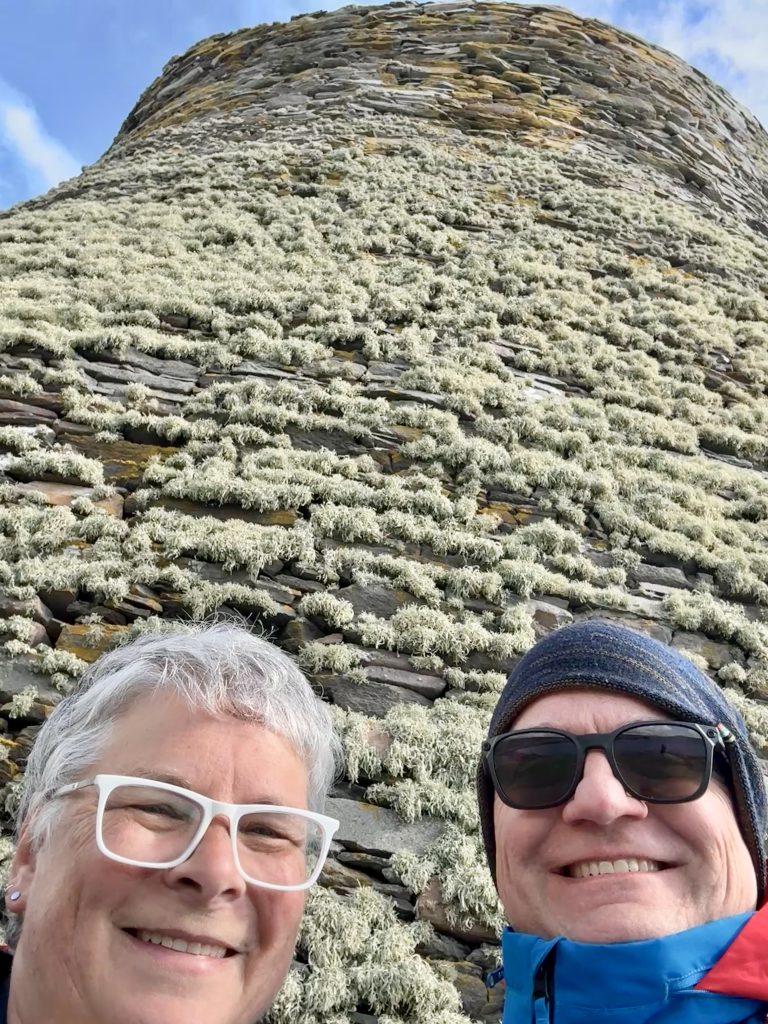
    My voyage with Aurora Expeditions aboard Greg Mortimer gave me a different perspective. Standing among ancient stones and learning about the communities that lived here, I began to understand how connected and significant these islands had been.

    There were puffins, dramatic coastlines, and wonderful days exploring by Zodiac and on foot. But the history, and the people who helped me understand it, became just as memorable.

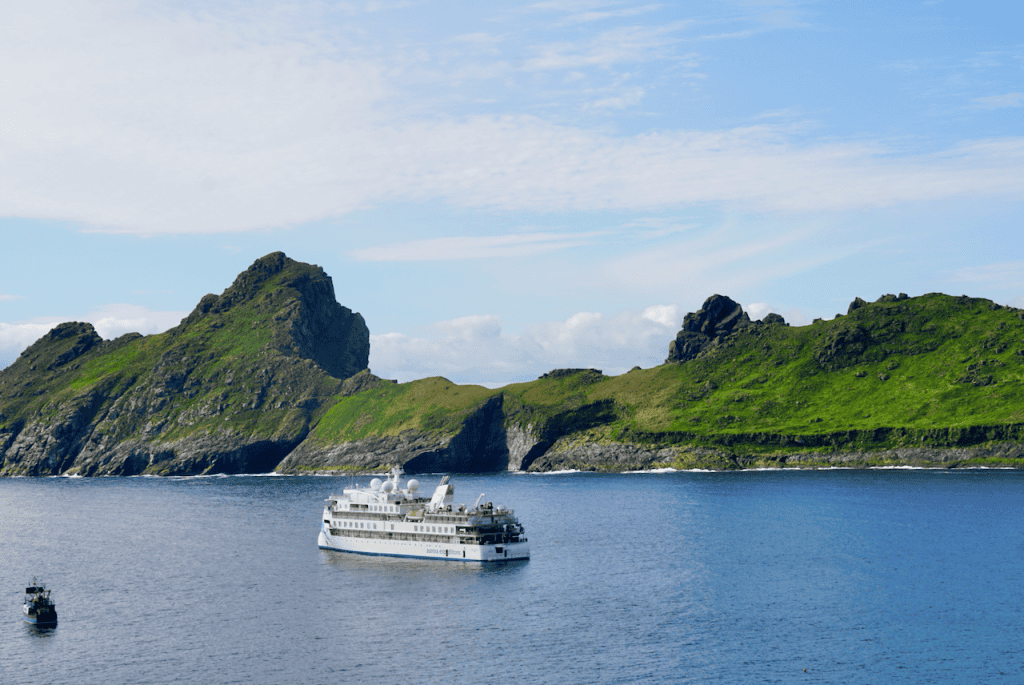
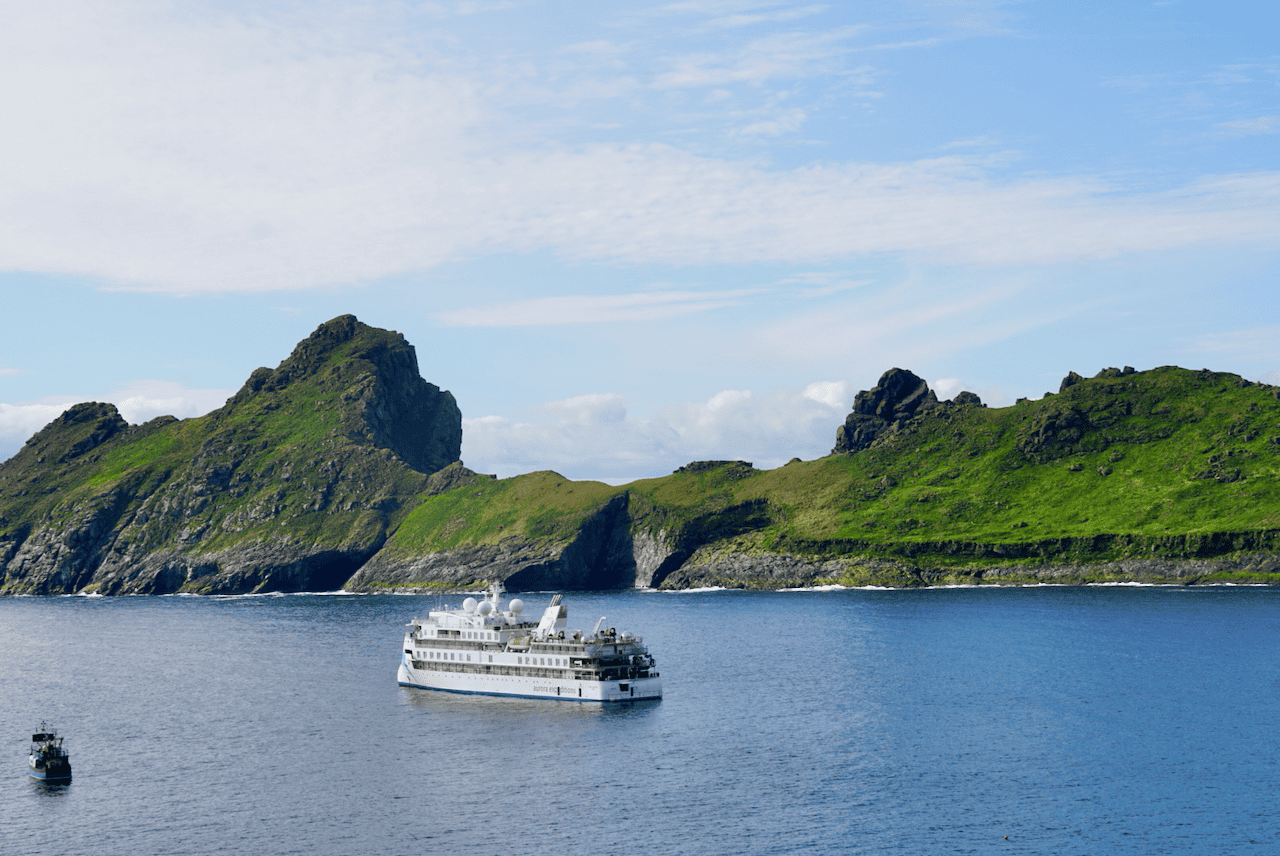
    Aurora ship off shore at Saint Kilda Scotland
    Aurora ship off shore at Saint Kilda Scotland

    Seeing Scotland from the Water

    Traveling by expedition ship brought the coastline into the experience. We explored by Zodiac, walked ashore, and visited island communities, with the ship as our base.

    The voyage brought together landscapes, wildlife, and cultural history. I appreciated having guides who could connect what we were seeing to the wider story of the islands.

    For travelers curious about this format, the differences between expedition and small-ship cruising help explain how an expedition’s guided outings and flexible schedule shape the trip.


    Ancient Sites That Changed My Perspective

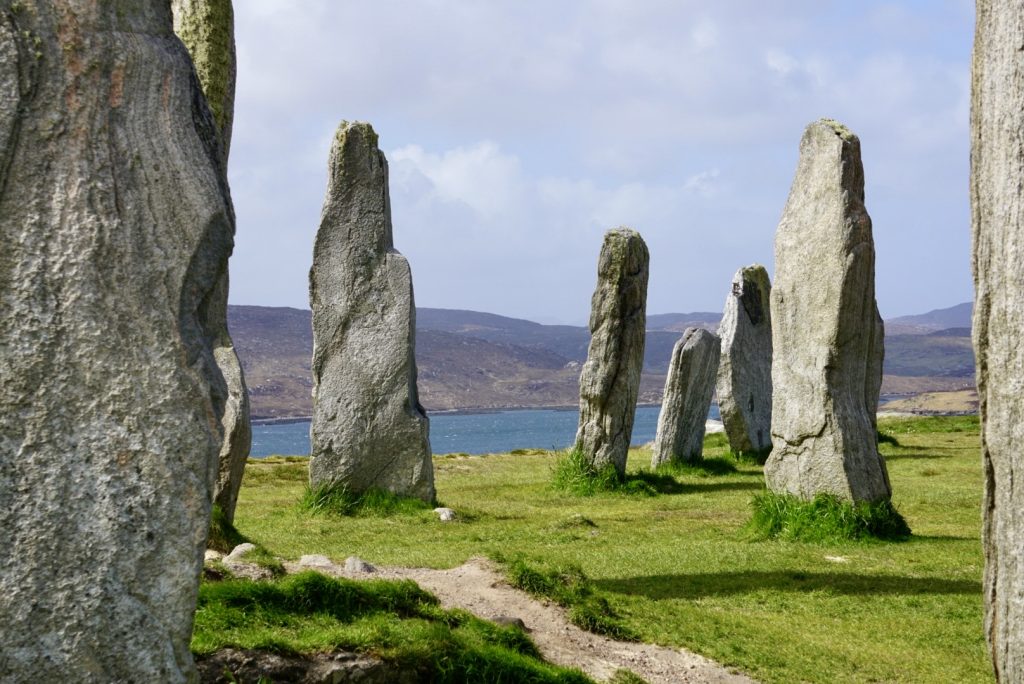
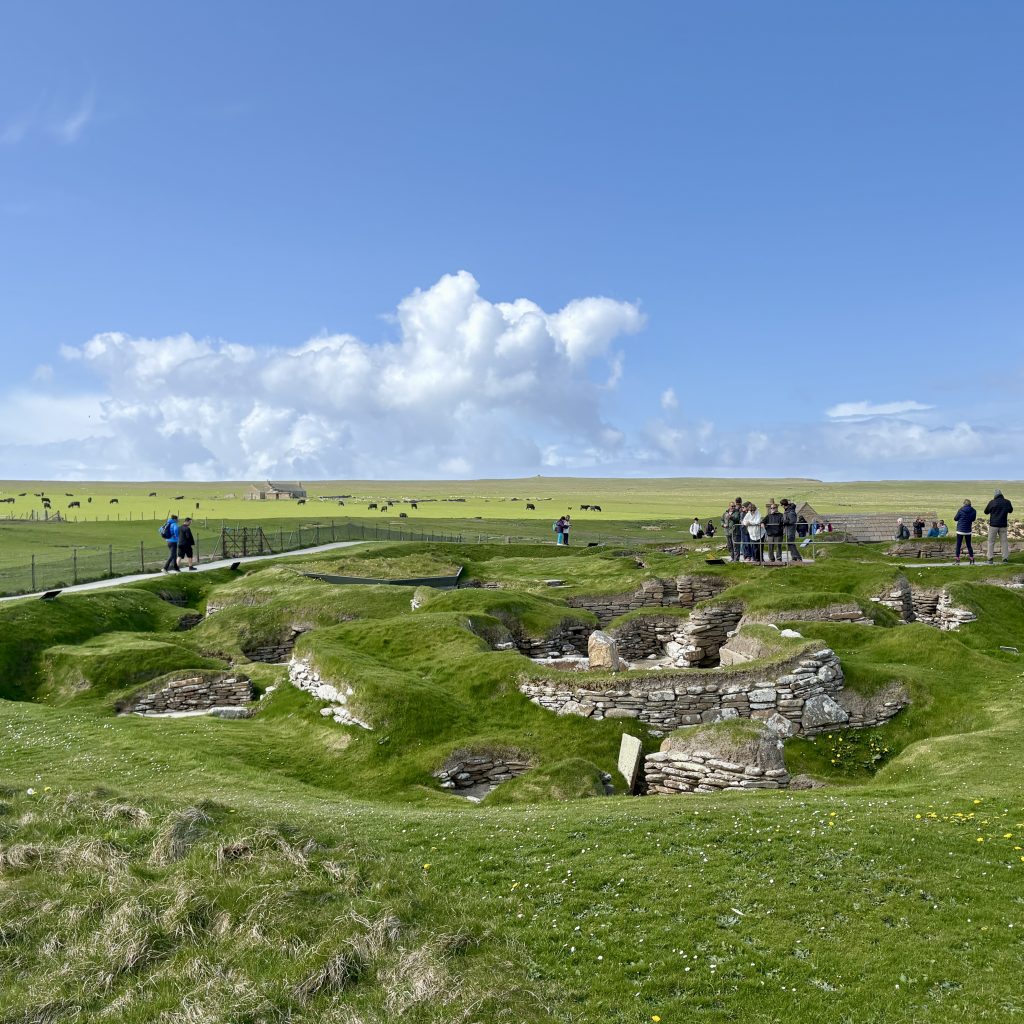
    Calanais and Skara Brae were highlights.

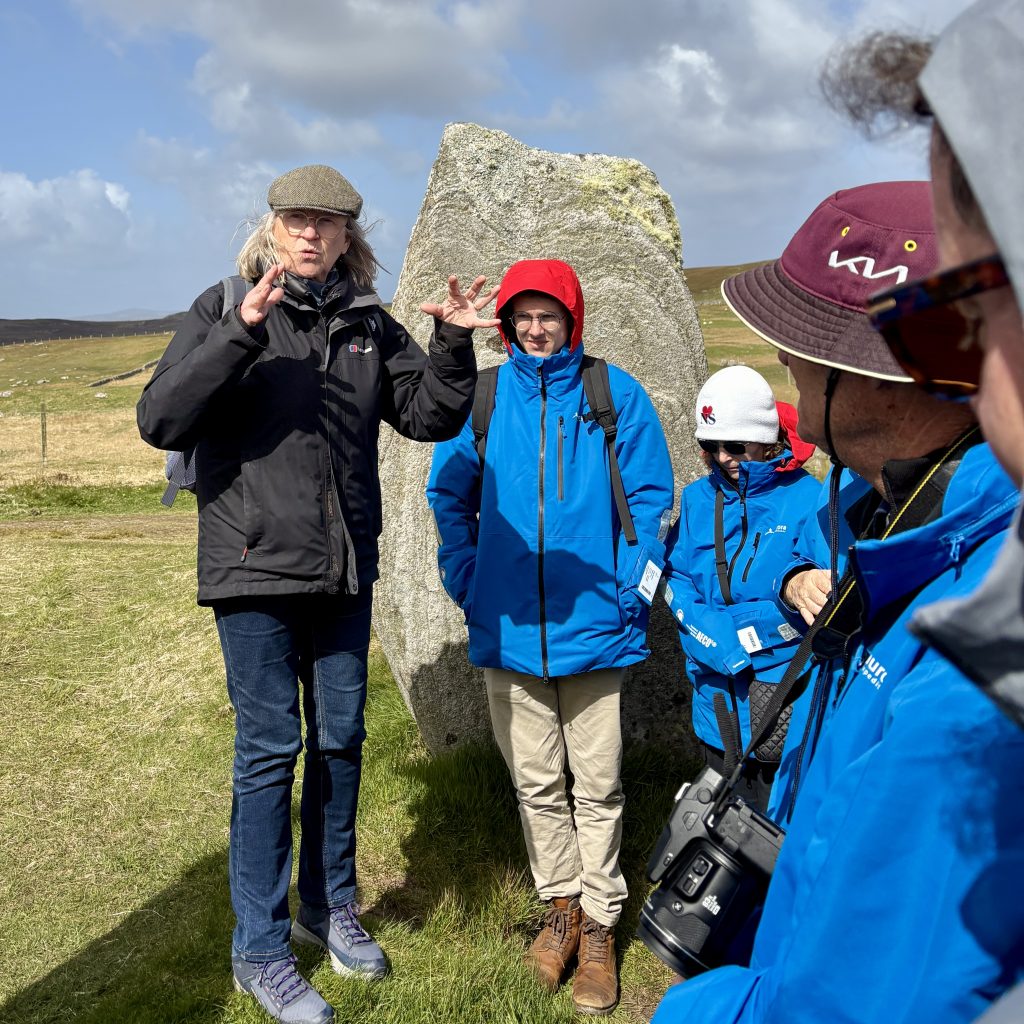
    At Calanais, the standing stones invited questions about the people who placed them there and what the site meant to their community. At Skara Brae, the preserved village offered a more intimate view of everyday life.

    Our expedition historian brought these places to life. The islands began to feel less like distant outposts and more like places with long histories of settlement, movement, and connection.

    That shift stayed with me. It’s also a good example of why I value specialist guiding: the right person helps you see more in the landscape in front of you, creating meaningful connections with a destination.


    Puffins and Seabird Coastlines

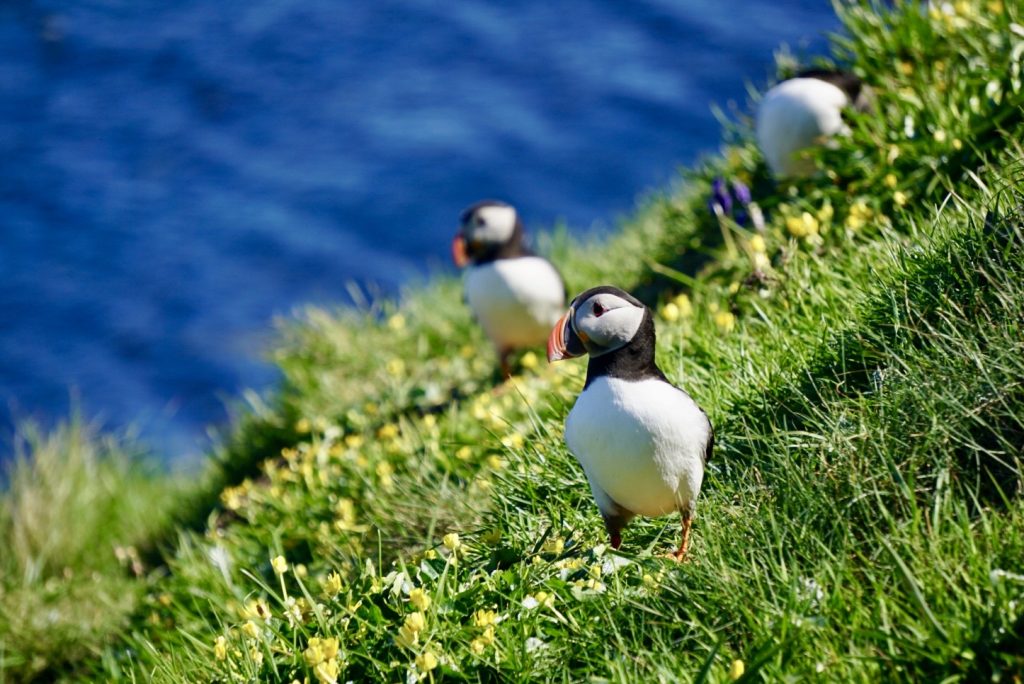
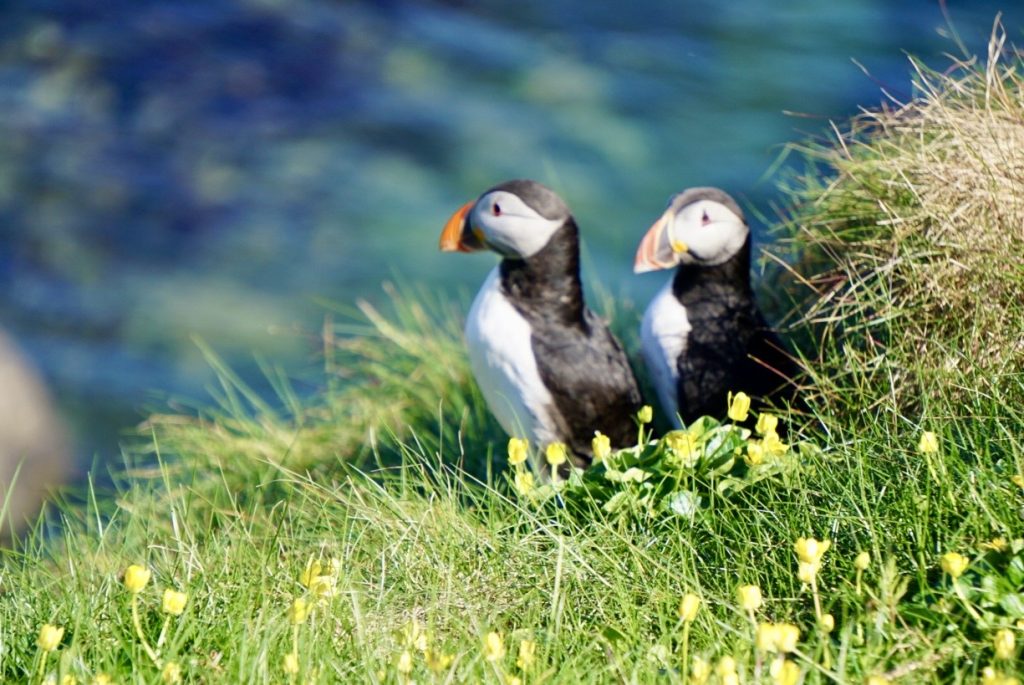
    The puffins on Staffa were a delight. Watching them was one of those experiences I would happily have given more time.

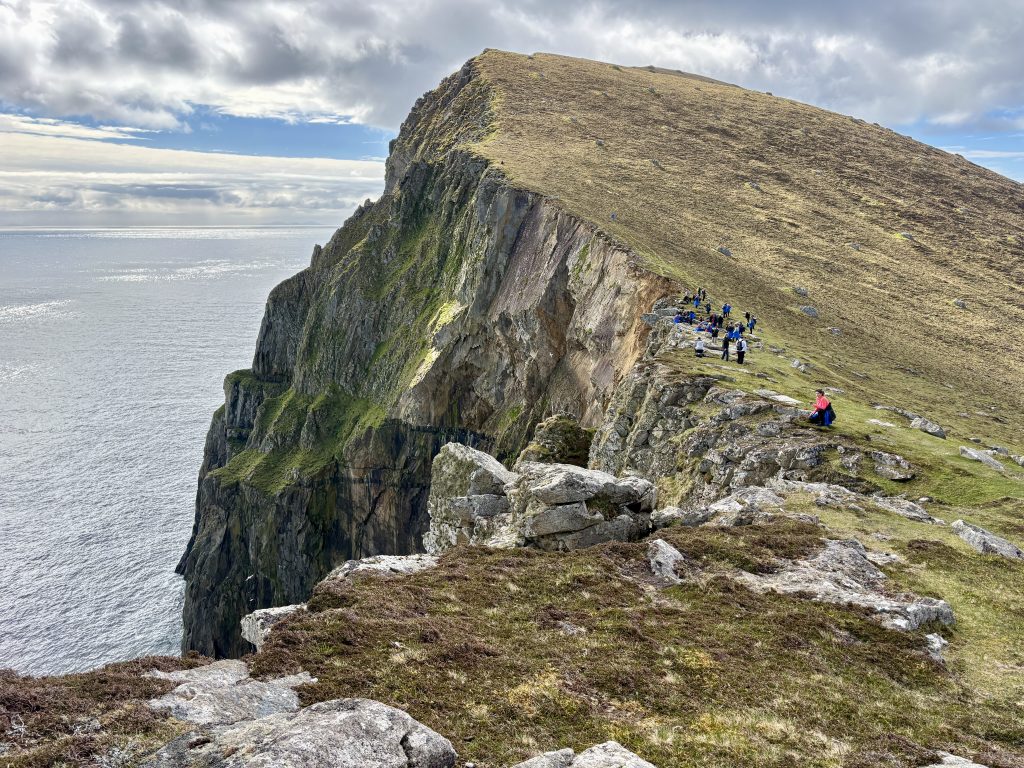
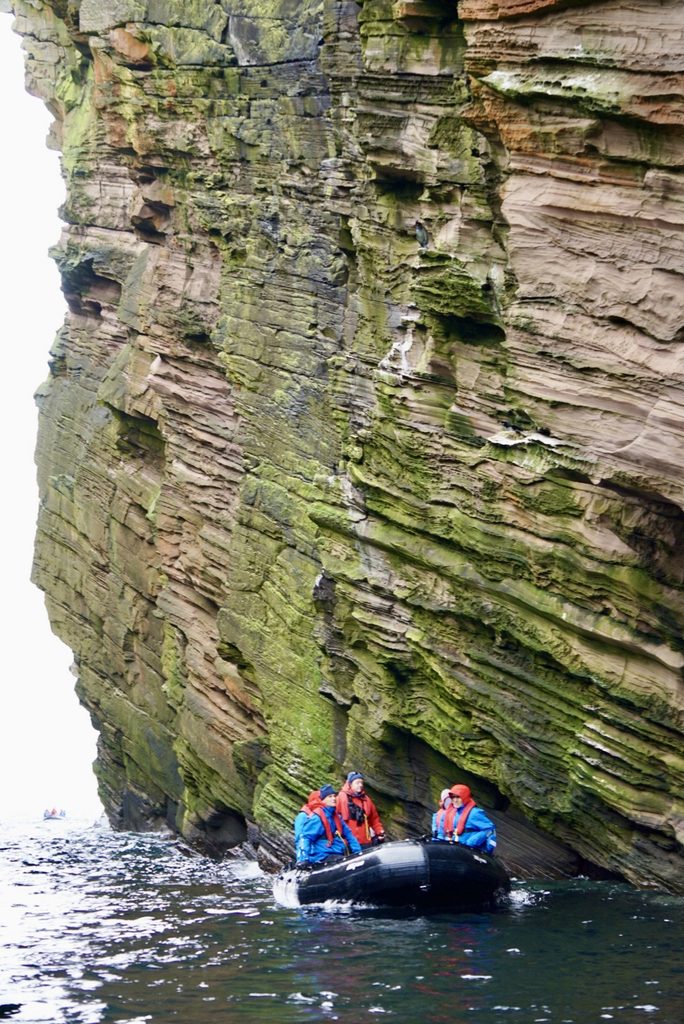
    Around St Kilda, dramatic sea stacks and abundant birdlife added another dimension to the journey. Seeing the coast from a small boat gave me a perspective I wouldn’t have had from the ship alone.

    For someone interested in both wildlife and history, Scotland offers a compelling combination. The cultural visits and outdoor experiences can be parts of the same journey.


    Weather Was Part of the Planning

    Weather shaped our route more than once. On a voyage exploring exposed coastlines and islands, that flexibility matters.

    A planned landing may change, and a particular island visit needs suitable conditions. It’s worth understanding this before booking, especially if one stop is your main reason for choosing the voyage.

    I enjoyed the expedition approach, but the uncertainty won’t suit everyone. We’ll talk about whether you’re comfortable with a route that may change and how much independent time you’d like.

    The published itinerary gives us a starting point. The specific voyage, operator, and conditions determine how the journey unfolds.


    Is This Your Kind of Scotland?

    An island expedition may appeal to you if you enjoy guided exploration and want a blend of history, wildlife, coastal scenery, and community visits.

    You should also be comfortable with the practical side of the experience. Outings may involve boarding Zodiacs, walking on uneven ground, and being outdoors in wind or rain. We’ll check the activity requirements and available alternatives for the sailing you’re considering.

    If you’d like longer stays in particular towns, more independent time, or a route organized around your own interests, a land-based itinerary may fit better. A few days before or after a voyage can also give you time to explore at your own pace.


    What I Bring to Planning Your Journey

    My Scotland voyage showed me how much the expedition team and itinerary can shape an experience. It also broadened my view of where expedition travel can take you.

    When helping you choose, I’ll consider the places you want to visit, the guiding, daily activity level, ship, and overall pace. My guide to choosing an expedition cruise explains more of those comparisons.

    You can explore my expedition and small-ship cruising specialty page, or schedule a complimentary consultation to talk about a Scotland journey shaped around your interests.

  • Galápagos Cruise or Land-Based Trip: Which Fits You?

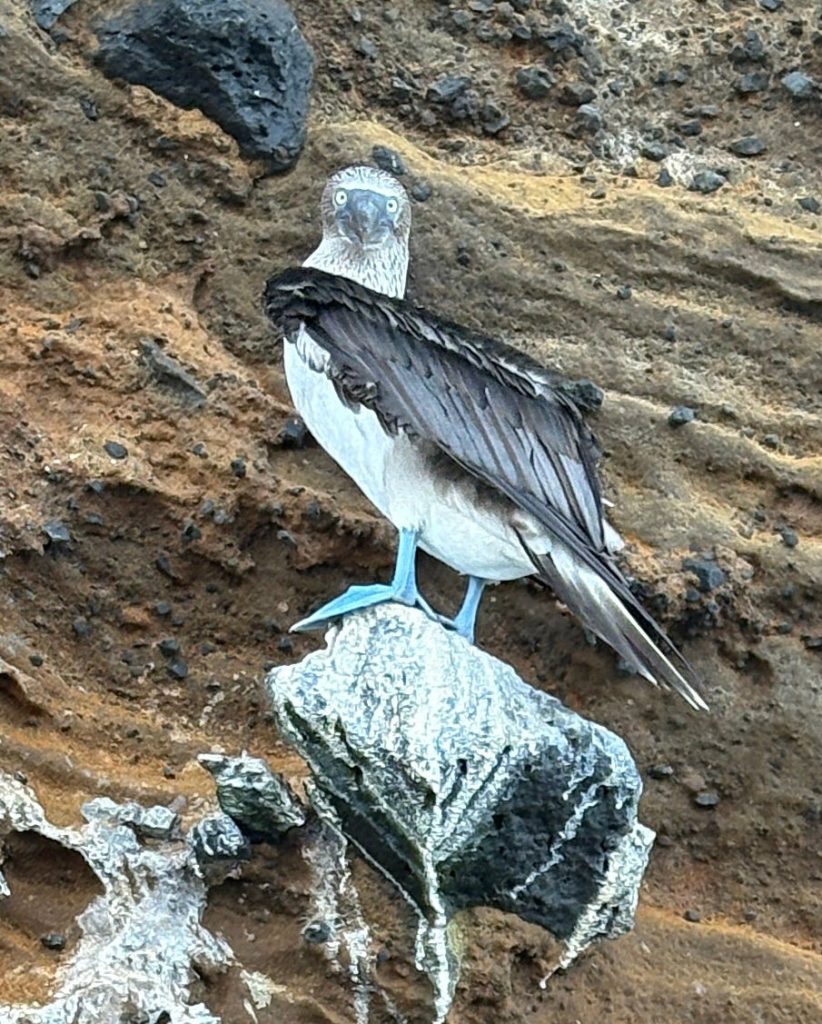
    We went to the Galápagos hoping to spot a blue-footed booby. We saw hundreds, and that set the tone for the week.

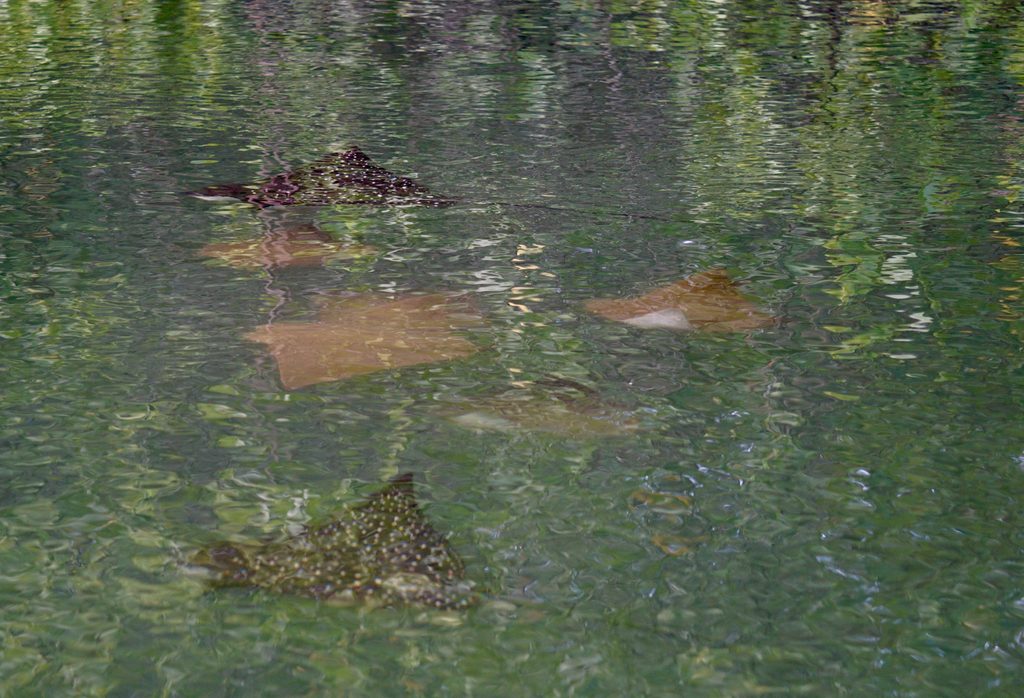
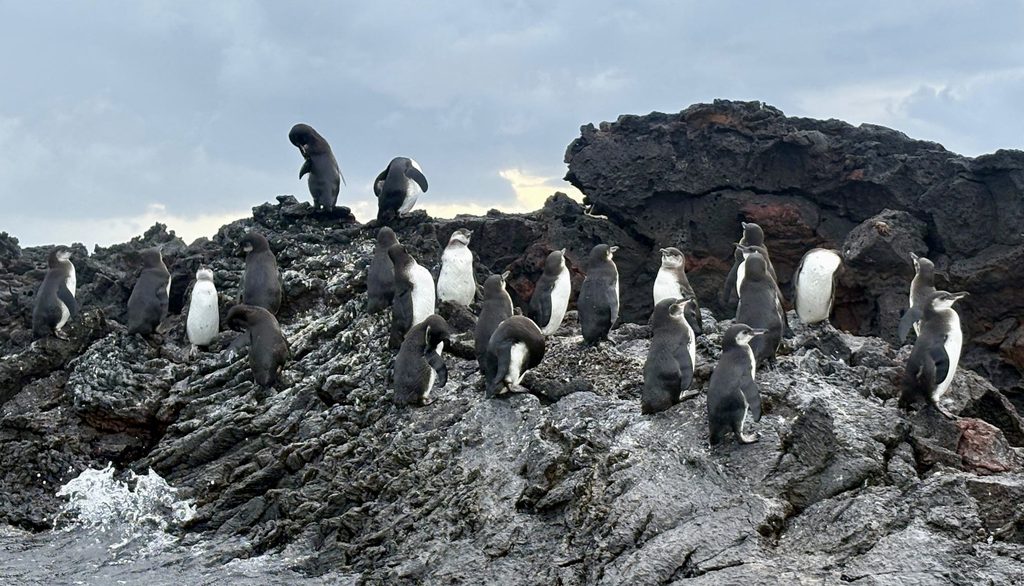
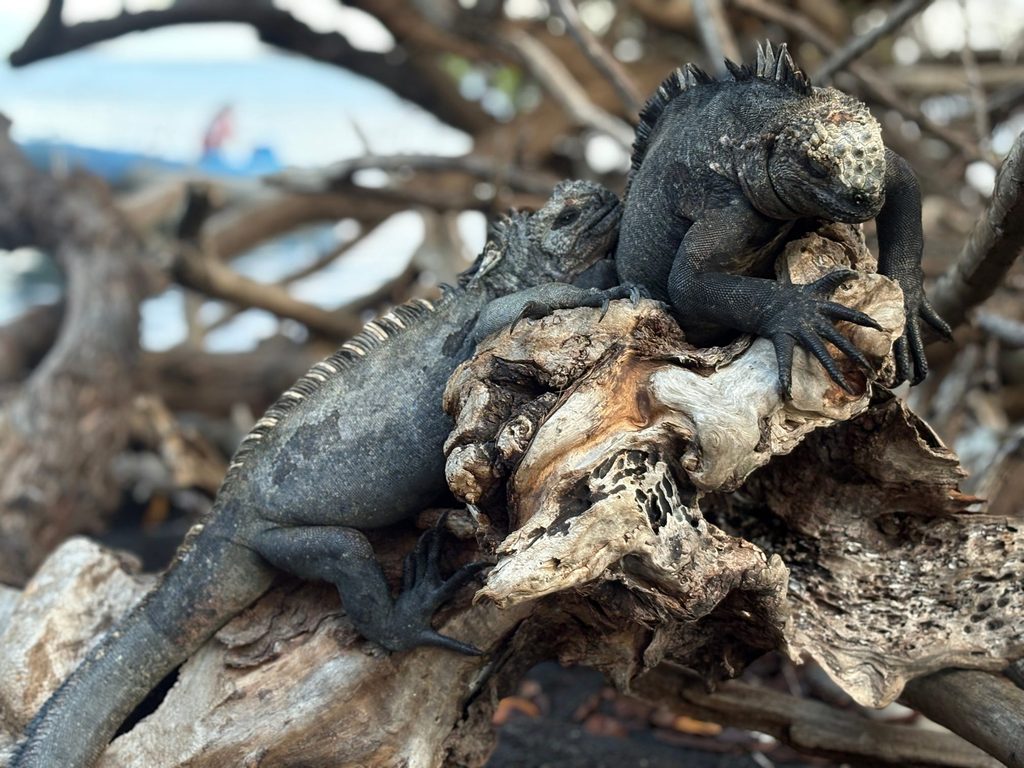
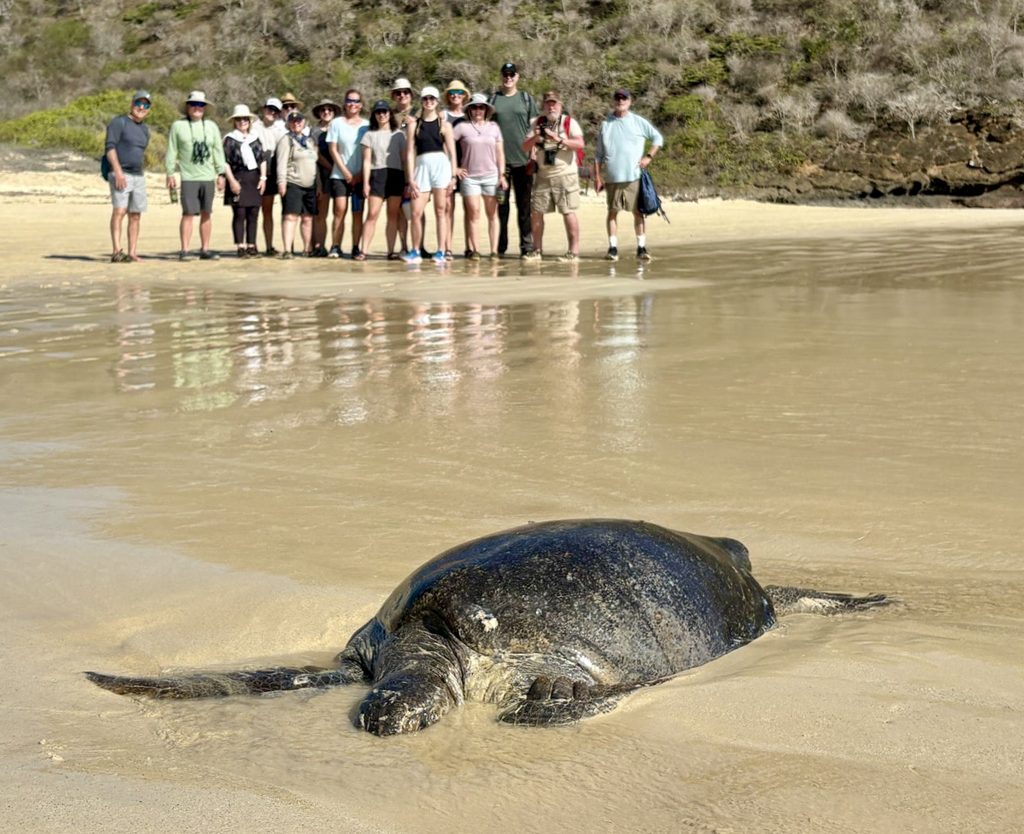
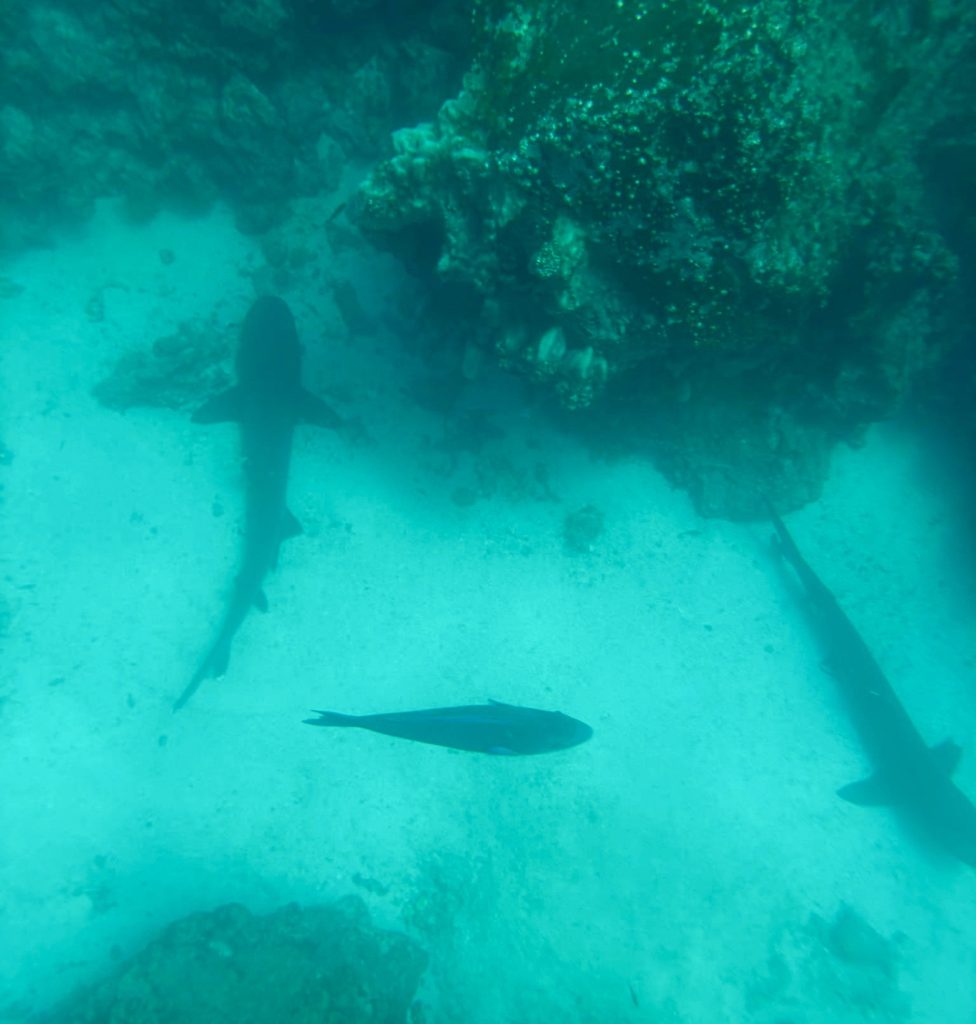
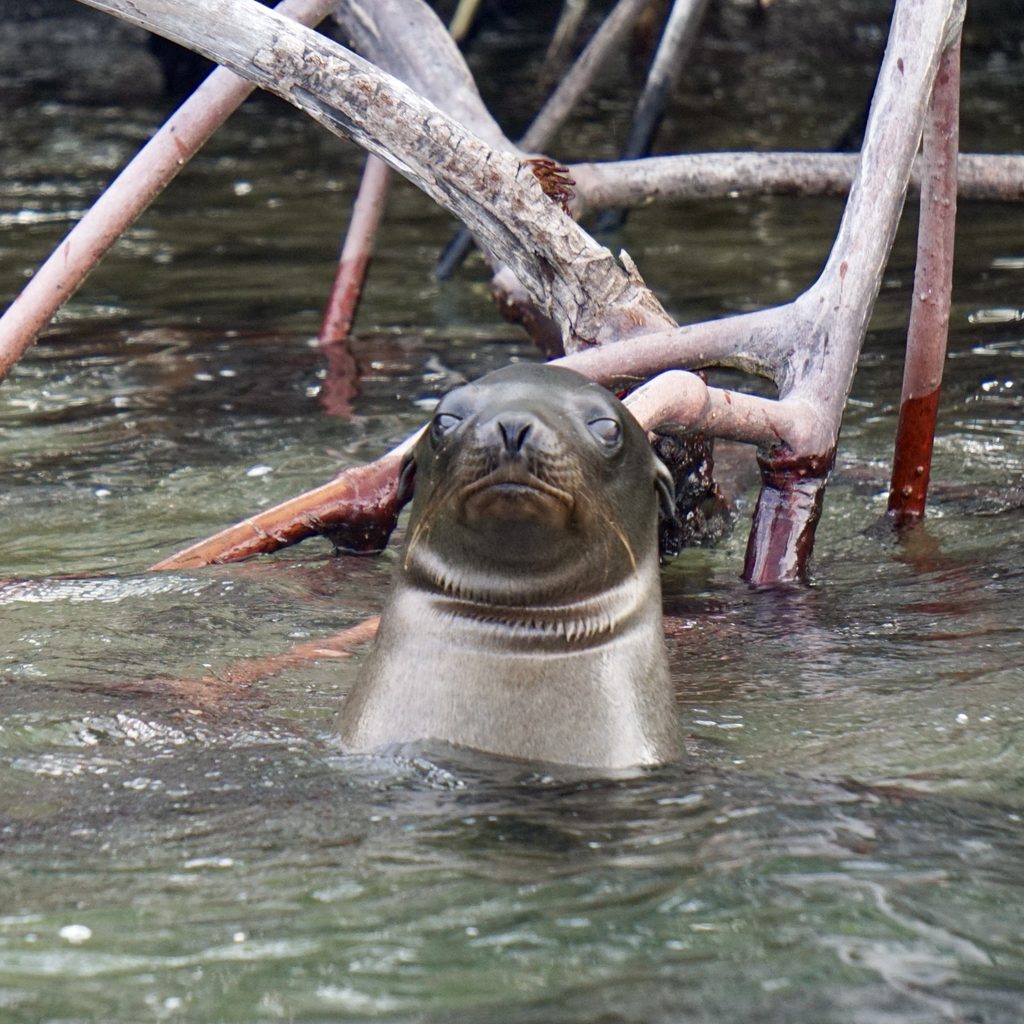
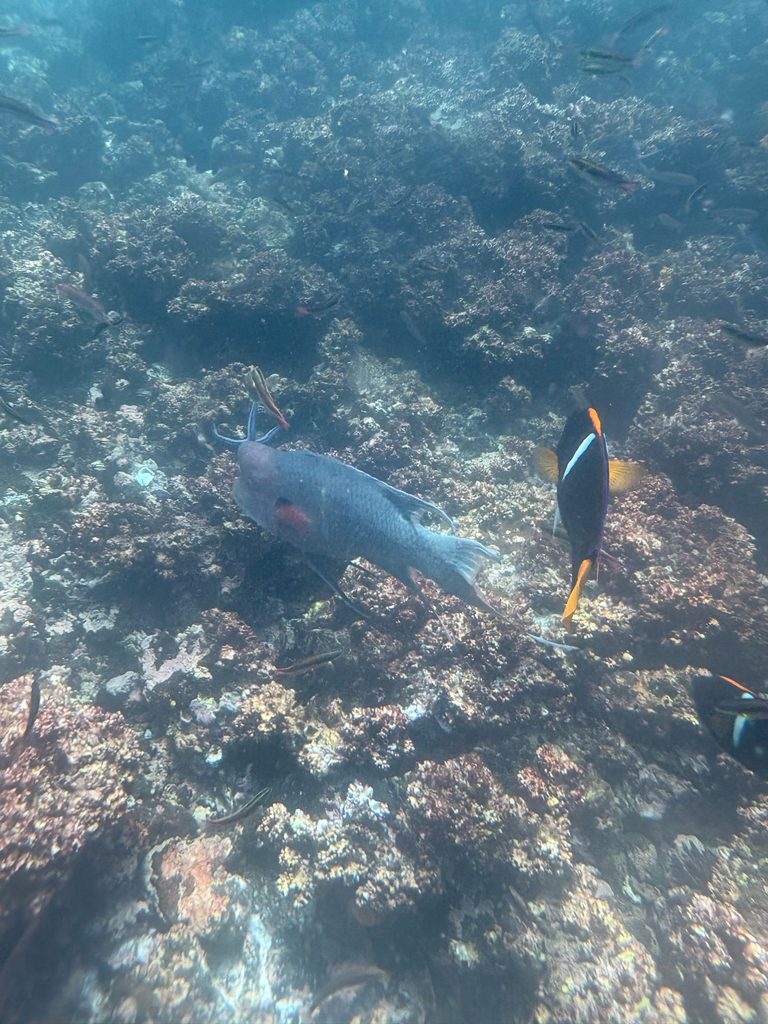
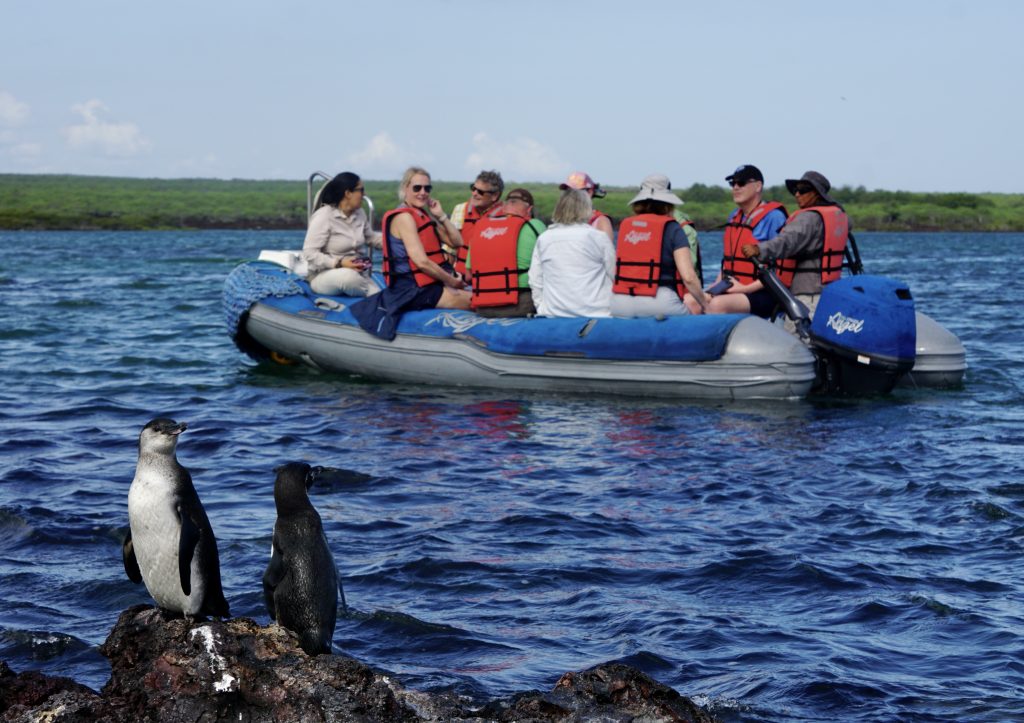
    There were sea turtles beneath us while snorkeling, marine iguanas on volcanic rock, penguins in the water, giant tortoises in the highlands, and sea lions seemingly everywhere.

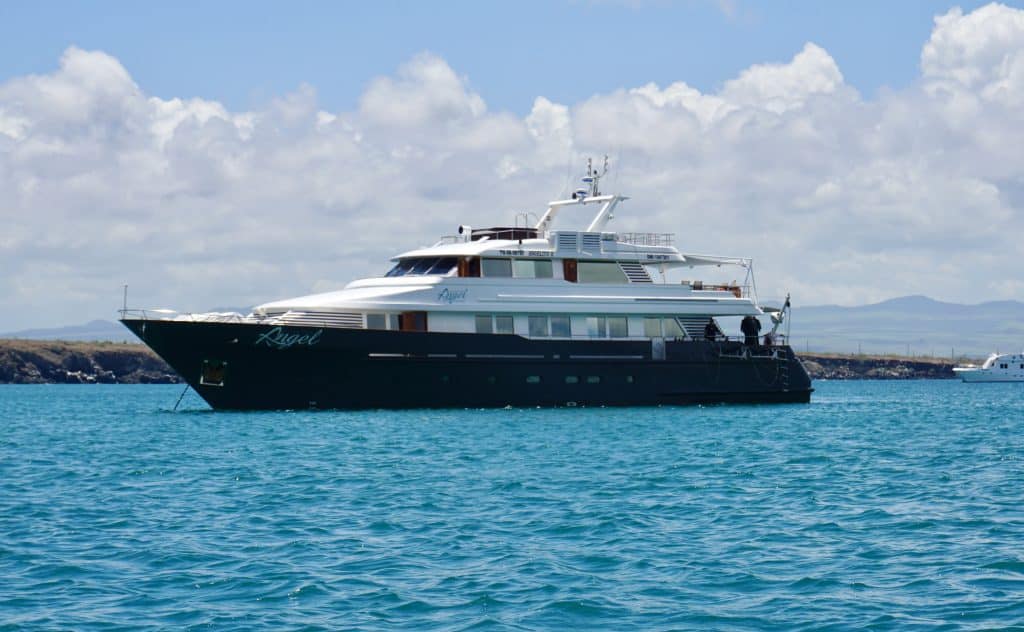
    I explored aboard a small yacht with 16 passengers, and I loved the combination of naturalist guiding, time outdoors, and comfortable downtime onboard. But a cruise is one way to experience the islands. A thoughtfully planned land-based trip can also be a rewarding choice.

    The right approach depends on what you want to see, how you like to spend your days, and how comfortable you are traveling by boat.


    What a Galápagos Cruise Offers

    On an expedition cruise, your ship is your base. You unpack once, then follow an itinerary that brings you to different islands and visitor sites.

    Days often include guided walks, snorkeling, and outings by panga, the small boats used to get ashore and explore along the coast. Some vessels also offer kayaking.

    A cruise can reach sites that aren’t practical day trips from a hotel. The route matters, though: individual itineraries visit different places, so choosing a ship without looking closely at its route can mean missing an experience that’s important to you.

    My own days included hiking, snorkeling, kayaking, and panga excursions. Having the guiding and logistics organized let me focus on what we were seeing.

    This approach may suit you if you want a trip centered on thoughtful wildlife exploration and enjoy sharing a daily rhythm with fellow travelers.


    What a Land-Based Trip Offers

    A land-based journey uses hotels on one or more inhabited islands, with a combination of guided excursions and time exploring locally.

    You might visit the highlands, take a day boat to another visitor site, spend time at a beach, or leave an afternoon open. Evenings give you opportunities to try local restaurants and experience life in an island town.

    The hotel becomes your base, and we can build the pace around your interests. Staying in fewer places can make the trip feel more settled; changing islands adds variety, along with transfer time and logistics.

    For example, Finch Bay on Santa Cruz combines a hotel stay with guided day excursions aboard its yacht. It illustrates how land-based travel can still include substantial time exploring on the water.

    This approach may suit you if you prefer sleeping on land, want more control over your schedule, or enjoy balancing wildlife outings with independent time.


    Compare the Places You’ll Visit

    Both approaches can offer memorable wildlife encounters. The important question is whether the actual itinerary supports your interests.

    If you’re especially interested in a species, landscape, or activity, tell me early. Wildlife sightings aren’t guaranteed, and opportunities vary by location and season.

    We’ll compare the visitor sites, time exploring, and travel involved. A hotel-based trip won’t necessarily replicate a cruise route, and a cruise won’t necessarily give you much time in island towns.

    Access to protected visitor sites and activities is managed by the Galápagos National Park. We’ll plan around the approved options rather than treating the islands as a destination where you can go anywhere on demand.


    Sleeping on Land Doesn’t Eliminate Boat Travel

    If seasickness is a concern, a hotel stay may sound like the obvious choice. It does give you nights on land, but day excursions and transfers between islands can still involve boat journeys.

    A land-based itinerary with frequent island changes may involve more time in smaller passenger boats than you expect.

    We’ll look at the actual travel involved, including day-trip durations and transfer options. If you’d prefer to limit boat time, we can consider what’s realistic from a single island base.


    Think About Pace and Physical Comfort

    A cruise often offers several outings in a day. You may be able to skip an activity, but the ship’s overall schedule is shared.

    A land-based trip can offer more room for open time, although boat excursions may still be full-day commitments.

    For either approach, we’ll discuss walking terrain, boarding small boats, getting in and out of the water, and your comfort with snorkeling. A hotel stay doesn’t automatically make every excursion easier, and activity descriptions deserve a close read.

    The goal is to choose a trip you’ll enjoy participating in, with enough time to rest.


    Consider a Private Charter for Your Group

    If you’re traveling with extended family or friends, a private yacht charter is another possibility. Your group occupies the vessel, so you share the experience with people you know.

    I organized my Galápagos trip as a private charter. It was a memorable way to explore together, with the yacht as our shared base.

    A charter still operates within approved itineraries and park requirements. Its appeal is the private group experience, rather than unrestricted control over where you go.

    For a couple or smaller party, booking individual cabins on a scheduled departure may be more practical.


    Compare the Complete Cost

    A land-based trip can offer a wider range of accommodation and activity choices, but it isn’t automatically the less expensive option.

    Compare hotels, guided outings, day boats, meals, and transfers with what a cruise includes. For both, check flights, park and entry charges, equipment, gratuities, and any mainland arrangements.

    We’ll compare trips that deliver the experiences you want, so the difference in cost is clear.


    Let’s Find Your Way to Explore

    For travelers whose main priority is guided exploration across several islands, I’d give a cruise serious consideration. For those who value a hotel base, more independent time, and evenings in town, a land-based journey may fit better. We can also consider combining the two.

    You can read more about choosing an expedition cruise or explore my expedition and small-ship cruising specialty page.

    If the Galápagos is on your list, schedule a complimentary consultation. We’ll start with what draws you there and build the trip around how you like to travel.


  • Alaska by Small Ship: Find Your Fit

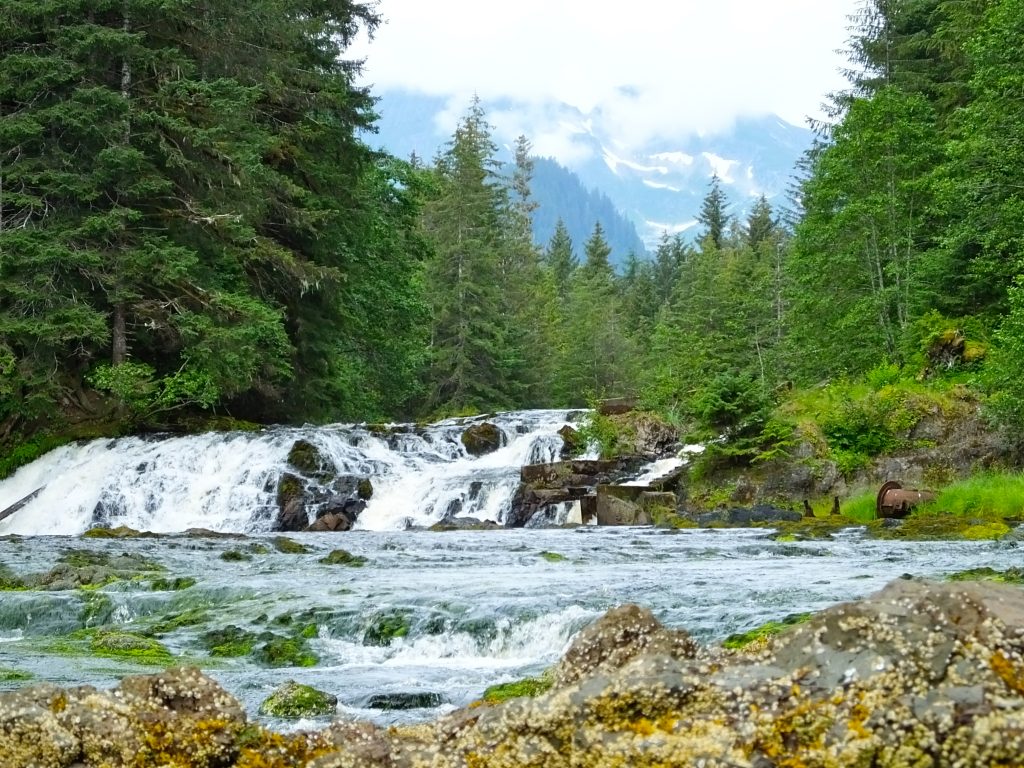
    Alaska can be a very different trip depending on how you explore it. You might spend your days kayaking, walking through coastal forests, and watching for wildlife from a small boat. Or you might combine visits to Alaska’s coastal towns with scenic cruising and a few guided adventures.

    Both can be rewarding. Choosing the right voyage starts with how you want your days to feel.

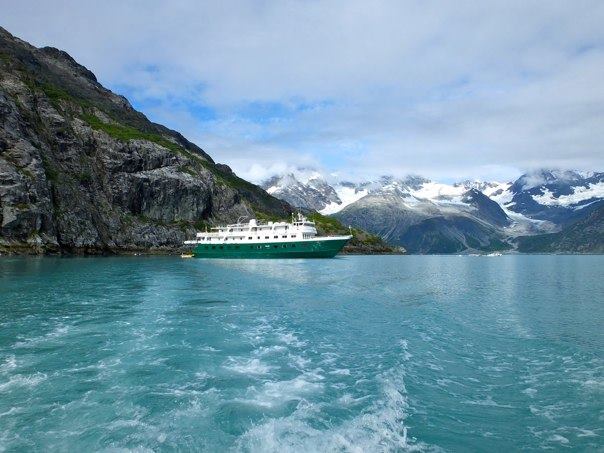
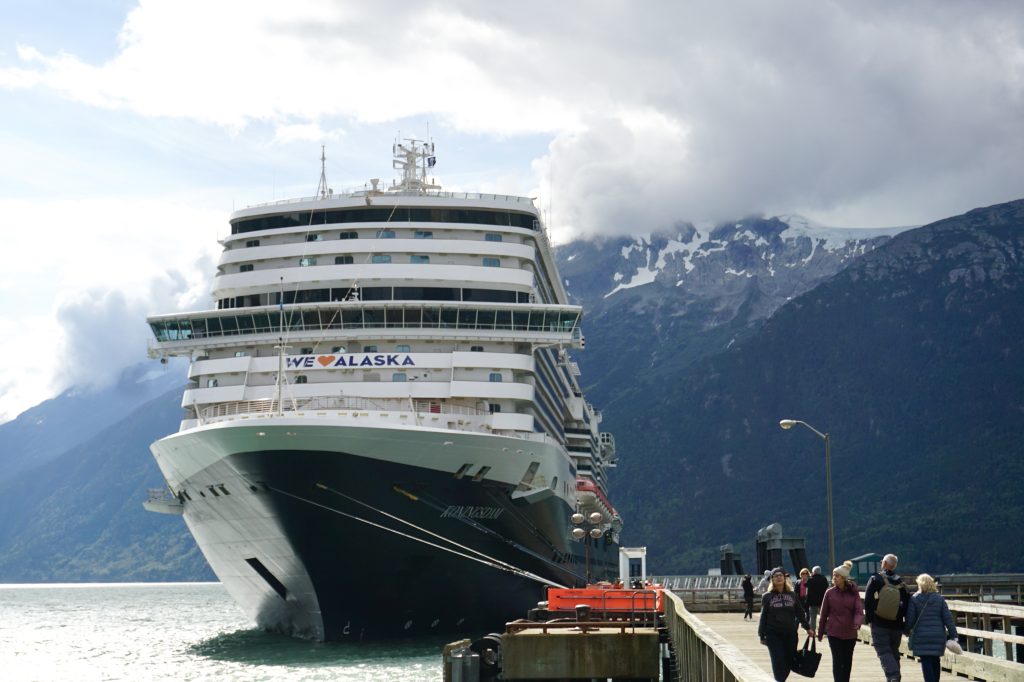
    I’ve sailed Alaska with UnCruise Adventures and Holland America, and those experiences have given me different perspectives on exploring the region. When helping clients choose, I look closely at the balance of nature, local culture, activity, and comfort.


    What Does “Small Ship” Mean in Alaska?

    The description covers a broad range of vessels. An expedition ship carrying a few dozen guests and a luxury ship carrying several hundred may both be described as small, but the experiences can differ considerably.

    Some voyages center on guided outdoor exploration. Others follow a more familiar cruise format, with scheduled port calls, shore excursions, and more onboard amenities.

    Understanding the differences between expedition and small-ship cruising helps you look beyond the label and picture the trip itself.


    Active Exploration with a Casual Atmosphere

    For travelers who want much of their trip to happen outdoors, an operator such as UnCruise Adventures is worth considering.

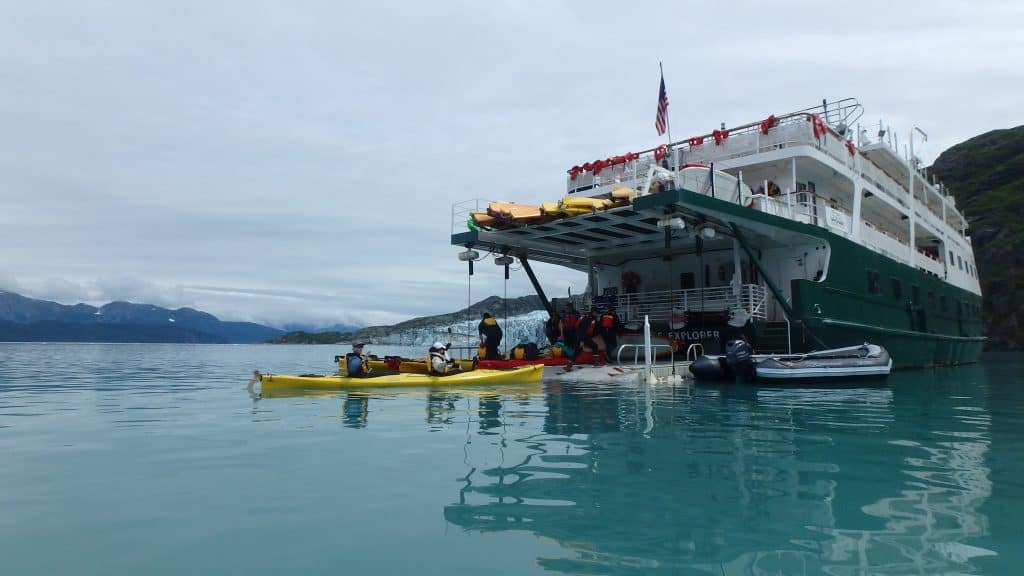
    Depending on the itinerary, days may include kayaking, hiking, beachcombing, and excursions by motorized skiff. Some routes leave room for the captain and expedition leader to choose where to explore based on conditions. We can discuss your activity and mobility concerns, but with a variety of ways to explore, most people can enjoy this style of travel.

    The onboard style is casual, and the emphasis is on the activities and places around you. Guided excursions and outdoor equipment are included in the fare, though we’ll check the full inclusions for your sailing.

    This may suit you if you’re happy with a simpler onboard experience and want guided activities to be a central part of your days.


    Exploration with Specialist Guiding

    National Geographic–Lindblad Expeditions offers another approach, with an emphasis on learning about the landscapes and wildlife you encounter.

    Its Alaska voyages can include forest walks, kayaking, Zodiac outings, and visits to coastal communities. The expedition team adds context throughout the journey, helping you understand what you’re seeing.

    If photography, wildlife, or natural history is a particular interest, we’ll look at the team and programming on the specific sailing.

    This may suit you if you enjoy guided exploration and want learning to be a substantial part of the experience.


    More Onboard Comfort with Selected Adventures

    You may want spacious accommodations, dining choices, and attentive service alongside opportunities to get out exploring.

    Some luxury Alaska cruises, including selected Seabourn sailings, combine port visits and scenic cruising with optional expedition-style excursions. Ventures by Seabourn can include guided Zodiac outings, kayaking, and hiking, depending on the voyage.

    These activities are an additional part of the cruise experience, so availability, cost, planning around your needs, and advance reservations deserve attention.

    This may suit you if you want a comfortable base, time in coastal towns, and the freedom to choose a few outdoor adventures.


    Decide How Much Port Time You Want

    Coastal communities are part of Alaska’s character. You may want to learn about local history, visit cultural sites, or spend time exploring a town independently.

    Other travelers would rather devote more of the voyage to forests, waterways, and wildlife outings.

    Expedition itineraries can include community visits, and port-focused voyages can offer excellent nature excursions. Read the daily plans carefully rather than assuming one style gives you everything or may in fact, have the mix of experiences you are looking for.

    If a particular community or cultural experience matters to you, we’ll look for an itinerary that gives it appropriate time.

    I also consider who shapes those experiences, including opportunities to learn from local guides, support locally owned businesses, and explore Indigenous culture through experiences led by the communities themselves. Alongside respectful wildlife viewing, these choices are part of my approach to meaningful travel in Alaska.


    Read the Glacier Details Carefully

    “Glaciers” in an itinerary title doesn’t tell you which areas you’ll visit or how you’ll experience them.

    Look at the named destinations, the time planned there, and whether the experience is from the ship or includes an outing by small boat. For example, an itinerary visiting Glacier Bay differs from one focused on another glacier area.

    Conditions can affect access and activities. If a specific glacier visit is a priority, we’ll review what’s planned and how the operator handles changes.


    Match the Activities to Your Comfort Level

    Be specific about what you enjoy and what feels manageable. There’s a difference between a guided boat outing, a gentle shoreline walk, and a longer hike over uneven ground.

    Boarding excursion boats, navigating steps, and getting into a kayak can also affect your experience. Activity choices and assistance vary, so we’ll confirm the requirements and alternatives for your sailing.

    For couples or families with different interests, we’ll look closely at whether suitable choices are available on the same day. My guide to choosing an expedition cruise explains more of the questions worth asking.


    Compare the Total Trip

    Look at the fare alongside excursions, equipment, drinks, gratuities, transfers, and any pre- or post-cruise arrangements.

    A voyage with guided activities included can price differently from one where excursions are selected separately. We’ll compare the cost of the experiences you actually want, along with the cabin and onboard atmosphere.

    Your embarkation and disembarkation cities matter, too. They shape the flights and can provide an opportunity to add time exploring before or after the cruise.


    Let’s Find Your Alaska

    Perhaps you picture quiet waterways and active days outdoors. Perhaps you want coastal towns, scenic sailing, and a few memorable adventures.

    We’ll talk about your interests, pace, comfort level, and budget, then compare a focused selection of voyages. You can learn more about expedition and small-ship cruising or schedule a complimentary consultation to begin planning.


  • What My Antarctica Expedition Was Really Like

    Antarctica wasn’t a trip I truly expected to take. Even after I returned, I was still trying to absorb the fact that I had been there.

    I sailed aboard Atlas Ocean Voyages’ World Navigator, and the experience was remarkable: penguins, seals, humpback whales, and landscapes so vast that photographs struggle to convey them.

    If you’re wondering what an Antarctica expedition actually feels like, these are the parts that have stayed with me.

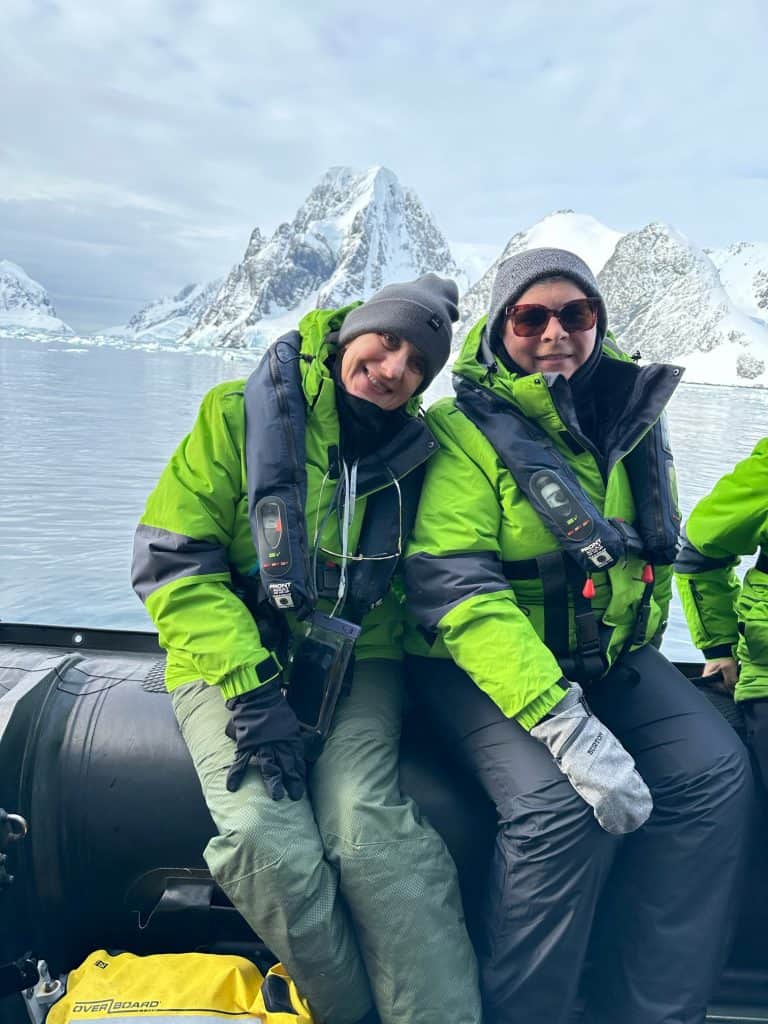
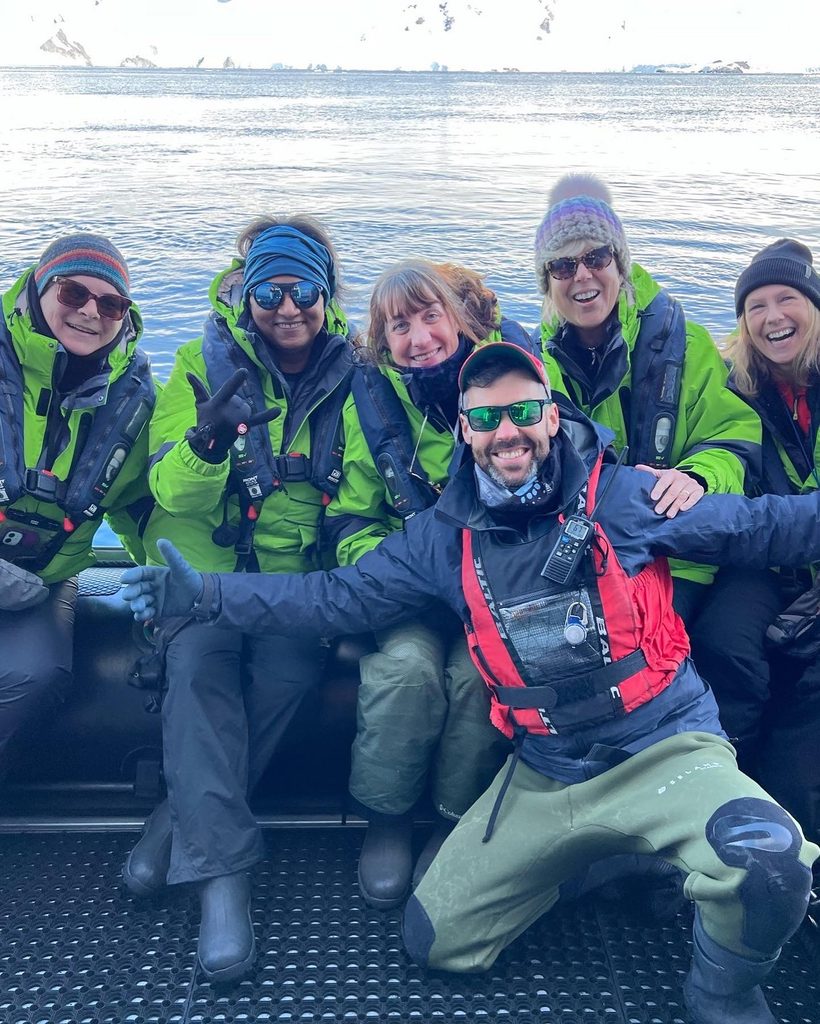
    Me and my friend on a Zodiac in Antarctica with Atlas Ocean Voyages expedition cruise
    Me and my friend on a Zodiac in Antarctica with Atlas Ocean Voyages expedition cruise

    The Drake Passage Was My First Concern

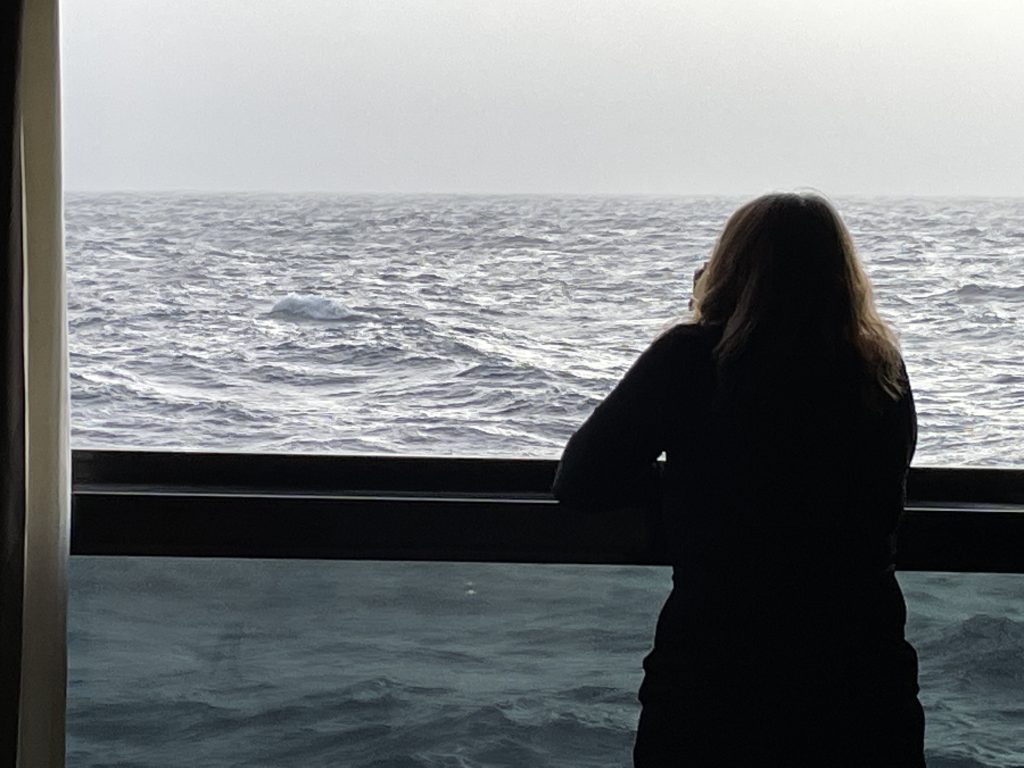
    Before the trip, I worried about crossing the Drake Passage. It’s probably the question I hear most often from people considering Antarctica, and it was on my mind, too.

    I prepared for seasickness before departure and was able to manage the crossing, including the rougher stretches. My experience won’t tell you how you’ll feel, but it is something worth discussing while choosing your trip.

    If the crossing is a significant concern, my guide to choosing an Antarctica cruise explains the sailing and flight options, along with the tradeoffs to consider.


    The Landscape Was Hard to Take In

    It’s difficult to capture the scale of Antarctica. Glaciers, mountains, and icebergs filled the view, and the landscape felt vast, harsh, and beautiful.

    The photographs help me remember it, but they don’t quite reproduce the feeling of being there. What looks contained in an image surrounds you in person.

    That scenery was a constant part of the journey. Alongside the wildlife encounters and excursions, simply taking in the landscape became one of the experiences I valued most.


    The Wildlife Encounters Stayed with Me

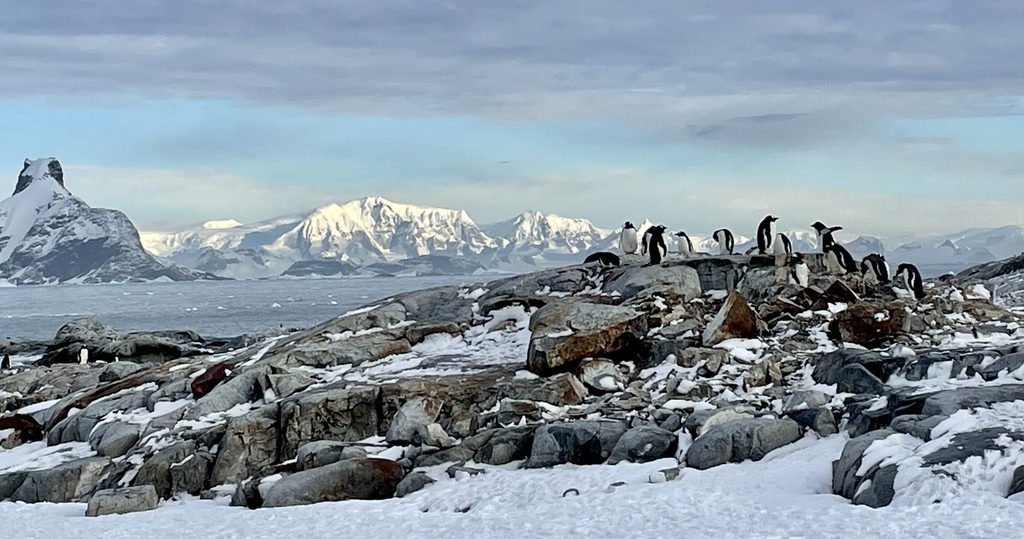
    Anything involving penguins was a highlight. I could have spent much longer watching them go about their lives.

    Kayaking alongside juvenile seals was another memorable experience. Exploring at water level gave me a different perspective from being on the ship, and it remains one of my favorite moments from the trip.

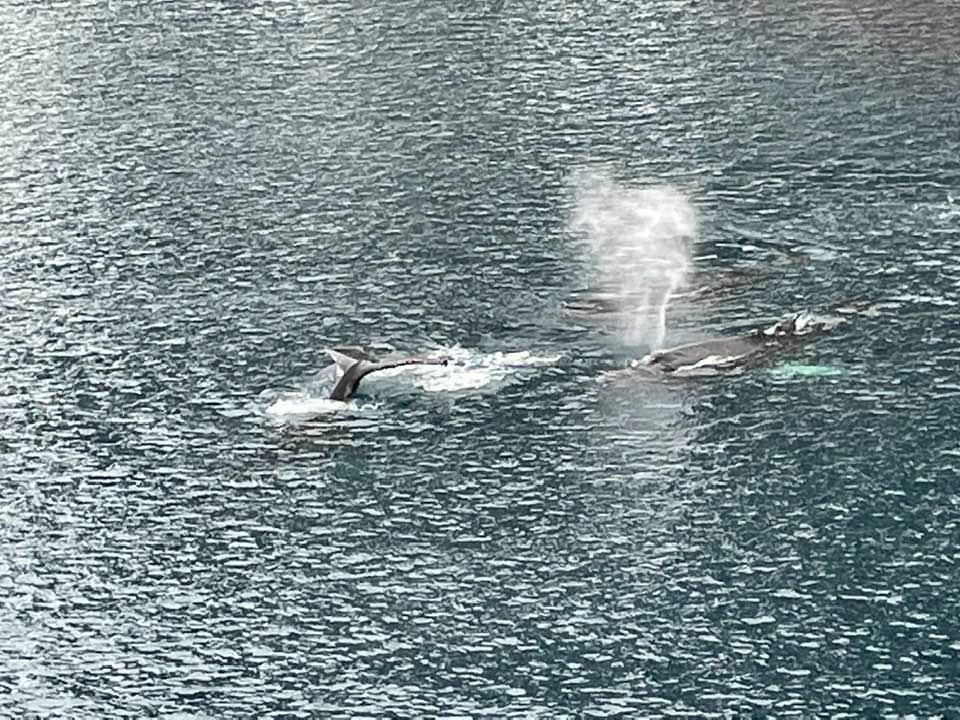
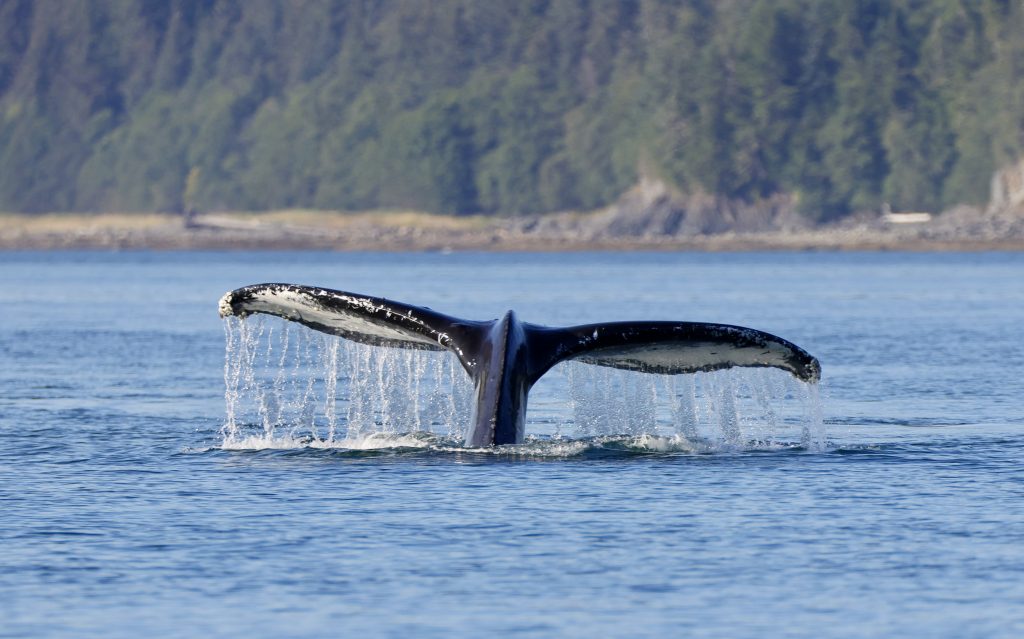
    Then there were the humpback whales. Hearing them as they surfaced nearby is something I still remember clearly.

    Those encounters are why I encourage travelers to think about what interests them most before choosing a voyage. If an activity such as kayaking matters to you, we should check the options and availability early.


    The Expedition Team Added Meaning

    The expedition team was one of the strengths of my Atlas experience.

    Their knowledge helped me understand the landscapes and wildlife we were seeing. Briefings and conversations gave the outings context, so the journey offered more than a series of beautiful views.

    It’s one reason I pay close attention to guiding when comparing expedition options. A good team can deepen your experience throughout the trip, both ashore and onboard.


    Comfort Was Part of the Experience

    World Navigator offered comfortable accommodations, good food, and a lovely staff. I appreciated all of it.

    The exploration was the reason I went, but being well looked after onboard made the whole trip enjoyable. Comfort and expedition travel worked well together on this voyage.

    That balance is personal. Some travelers prefer a simpler ship and want to put more of their budget toward the itinerary. Others value extra space, service, or amenities. My guide to choosing an expedition cruise covers the details worth comparing.


    My Late-Season Trip Exceeded Expectations

    I traveled late in the season and went with fairly modest expectations. We were treated to unusually favorable weather and wonderful wildlife encounters.

    That was the experience of our particular departure, rather than a promise about late-season travel. I wouldn’t use one voyage to declare a single best month for everyone.

    Instead, I help clients weigh their interests, available dates, and the seasonal patterns that may shape their trip. We can plan carefully while recognizing that weather and wildlife will always have a say.


    What I Brought Home

    Antarctica gave me memories I hadn’t expected to have: watching penguins, paddling near seals, hearing whales, and trying to take in those enormous landscapes.

    It also gave me a more informed perspective on planning these journeys. I understand why the crossing raises questions, how much guiding adds, and how the right onboard experience can support the adventure, and what draws people to expedition-style travel.

    If Antarctica is on your mind, we can talk about what draws you there and what concerns you. You don’t need to have a ship or itinerary picked out before we begin.

    Schedule a complimentary consultation to explore the possibilities.


  • How to Choose an Antarctica Cruise

    I never seriously expected to go to Antarctica. Then I found myself aboard Atlas Ocean Voyages’ World Navigator, watching penguins, kayaking alongside juvenile seals, and hearing humpback whales as they surfaced nearby.

    The landscapes were extraordinary. So was the experience of being there, with an expedition team helping us understand what we were seeing.

    If Antarctica is on your mind, choosing the right voyage deserves some thought. The route, ship, season, and way you reach the continent all shape the experience. Here’s where I would start.


    Decide How You Want to Experience Antarctica

    Some cruises offer scenic sailing past Antarctica without taking guests ashore. An expedition with landings offers a different experience, with opportunities to explore by small boat and on foot when conditions allow.

    If stepping ashore is important to you, confirm that the voyage includes planned landings. A cruise advertised as visiting Antarctica doesn’t necessarily offer them.

    You can also explore the differences between expedition and small-ship cruising if you’re still getting familiar with this style of travel.


    Choose the Route Around Your Interests

    Many first-time visitors choose an itinerary focused on the Antarctic Peninsula and nearby islands. These voyages offer opportunities to experience the ice-covered landscapes, penguin colonies, and wildlife that draw travelers south.

    Other routes add time or a particular focus:

    • Antarctic Circle voyages aim to travel farther south. Reaching the Circle depends on conditions, so consider the broader itinerary as well as that milestone.
    • South Georgia and Falkland Islands voyages add distinctive wildlife, landscapes, and history. They require more time and generally involve more days at sea.

    When comparing trips, look at the days allocated to exploring each region. A longer voyage may include more destinations or more transit time, rather than substantially more time around the Peninsula.


    Sail the Drake Passage or Fly Across It?

    Many ship-based expeditions depart from Ushuaia, Argentina, and cross the Drake Passage between South America and Antarctica. Conditions can range from relatively calm to rough.

    I was concerned about the crossing before my own trip. It’s a reasonable concern to raise early, especially if you’re prone to seasickness or uneasy about days on the open ocean.

    Air-cruise itineraries offer another approach: flying to King George Island to join an expedition ship. Some voyages combine a flight in one direction with a sea crossing in the other.

    Flying can avoid a Drake crossing, but Antarctic flights depend on weather. Delays can affect the itinerary, so we’ll review the operator’s contingency arrangements and allow appropriate flexibility around the trip. You’ll still be traveling by ship once you arrive.

    The right approach depends on your available time, comfort with sea travel, and budget.


    Understand How Ship Size Affects Exploring

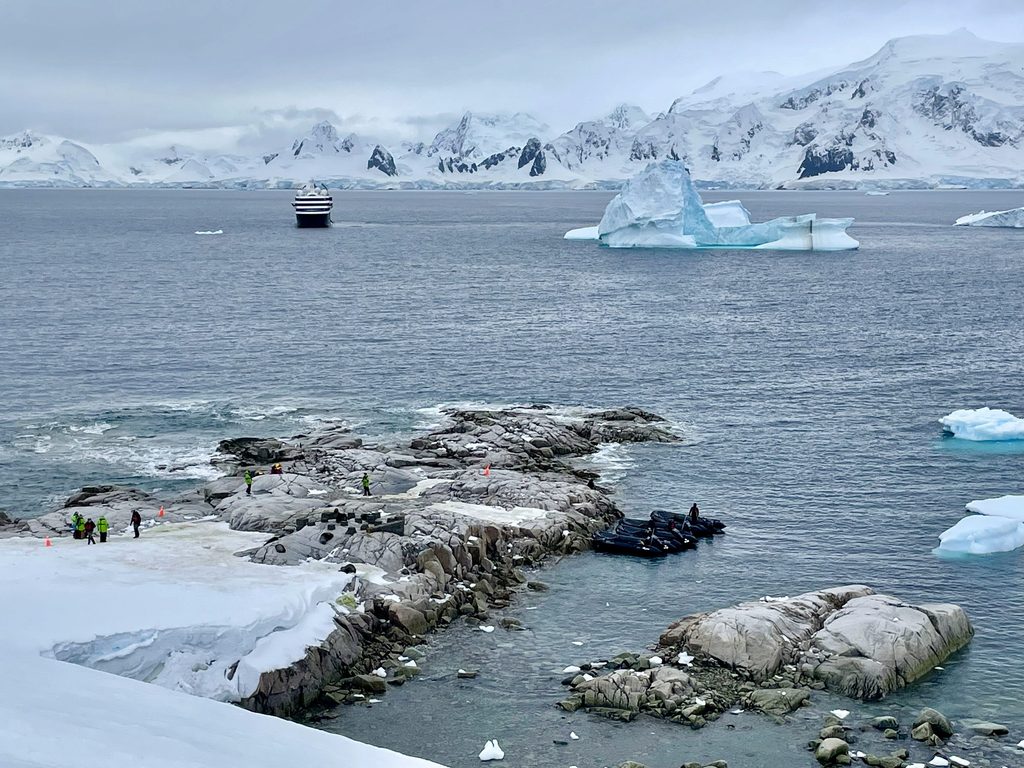
    Antarctic landing rules make passenger capacity particularly relevant. No more than 100 passengers from a vessel may be ashore at one landing site at a time, and ships carrying more than 500 passengers do not make landings.

    A ship carrying more than 100 guests may use rotations, with one group ashore while another explores by Zodiac or remains onboard. That doesn’t mean you’ll spend every outing waiting, but it does make the arrangements worth comparing.

    I look at guest numbers alongside the expedition team, excursion boats, and how outings are organized. A smaller passenger count is one useful factor, rather than the whole decision.


    Match the Season to What You Hope to See

    Most Antarctic Peninsula cruises operate between November and March, with some departures outside that window. The experience changes as the season progresses.

    Early season: Snow-covered landscapes and penguin courtship or nesting activity can be part of the appeal. Ice conditions may affect access.

    December and January: Long daylight hours and penguin breeding activity, including chicks at some colonies, draw many travelers.

    February and March: Later summer is often appealing for whale watching, with growing penguin chicks and changing shore conditions.

    These are seasonal patterns, not guarantees. Timing varies by species, location, and year.

    I traveled late in the season and enjoyed wonderful wildlife encounters and unusually favorable weather. That experience reminded me to choose dates around a traveler’s priorities while leaving room for nature to surprise us.


    Look Closely at Activities and Comfort

    A landing can involve boarding a small boat, stepping into shallow water, or walking over snow, rocks, and uneven ground. We’ll discuss your mobility and comfort level, then check the requirements of the specific voyage.

    If kayaking, camping, or photography is a priority, ask whether it’s offered on your departure, what experience is required, and whether it needs to be reserved separately. Activities remain subject to conditions.

    Comfort onboard also matters. On World Navigator, I appreciated the accommodations, food, staff, and expedition team. Think about what would help you enjoy the journey: cabin space, viewing areas, dining, or a welcoming place to relax between outings.

    My broader guide to choosing an expedition cruise covers more of these comparisons.


    Consider How the Operator Approaches Antarctica

    Good guiding helps you understand the wildlife and landscapes you’ve traveled so far to see. I also look at how an operator manages wildlife encounters, prepares guests to protect the places they visit, and supports research or conservation. These are part of my approach to meaningful travel: choosing a journey that deepens your understanding while respecting the environment you’ve come to experience.


    Plan the Whole Journey

    Compare the total trip cost, including flights, hotels, transfers, equipment, gratuities, and optional activities. Inclusions vary, so two advertised fares may cover different things.

    Allow time around the expedition rather than treating embarkation as an ordinary flight connection. We’ll follow the operator’s arrival requirements and consider how the itinerary could affect your onward travel.

    We’ll also review booking terms, required documentation, and any insurance requirements before you commit.


    Let’s Plan Your Antarctica Journey

    Antarctica is one of the most remarkable places I’ve visited. You can read more about my firsthand Antarctica experience, including the moments that stayed with me.

    If you’re considering your own journey, we’ll start with what draws you there and what would help you feel comfortable exploring. From there, I’ll help you compare voyages and plan the travel around them, or other expedition or small-cruise options.

    Schedule a complimentary consultation to get started.

  • How to Choose an Expedition Cruise

    Choosing an expedition cruise starts with what you hope to experience. Perhaps you want to watch wildlife, photograph dramatic landscapes, or explore coastal communities that are difficult to reach independently.

    Once you have a destination in mind, the choices become more specific. Ships visiting the same region can offer different itineraries, activity options, guiding, and levels of comfort. Those differences shape how your trip will feel.

    My own journeys with UnCruise Adventures in Alaska, Aurora Expeditions in Scotland, Atlas Ocean Voyages in Antarctica, and a private yacht charter in the Galápagos have shown me how varied expedition travel can be. Here’s what I look at when helping clients choose.


    Start with Your Interests

    Think about the experiences you’re most looking forward to. If snorkeling is a priority, we’ll look closely at the opportunities offered on your itinerary. If you’re interested in history, the guiding and cultural visits deserve particular attention.

    You may also want different things from the people traveling with you. One person might be eager to kayak, while another would prefer a scenic boat outing. We’ll look for a voyage with choices that suit everyone, while checking which activities are included, optional, or subject to availability.

    If you’re still deciding whether this style of travel appeals to you, understanding the differences between expedition and small-ship cruising is a useful place to begin.


    Compare the Itinerary and Time Exploring

    Look beyond the destination name and number of nights. How much of the trip is spent traveling to the region, and how much is available for exploring once you arrive?

    Read the daily itinerary for the types of outings described, the areas visited, and the balance between landings, scenic cruising, and days at sea.

    An expedition itinerary also requires flexibility. Weather and local conditions can affect where you go and what you do. On my Scotland voyage, weather shaped our route more than once. Being comfortable with those adjustments is part of choosing this kind of trip.

    If a particular stop is your main reason for booking, we should discuss how dependable that visit is before you commit.


    Understand What Ship Size Means

    Passenger capacity affects the atmosphere onboard and the logistics of getting everyone out exploring. I look at the number of guests alongside the excursion boats, staffing, and how the operator organizes outings.

    Antarctica offers a clear example. A maximum of 100 passengers from a vessel may be ashore at one site at a time, and ships carrying more than 500 passengers do not make landings. On ships carrying more than 100 guests, shore visits may involve rotations.

    That doesn’t automatically make one ship the best choice. It does make the landing arrangements worth understanding when planning an Antarctica expedition.


    Consider the Expedition Team

    Good guides help you understand the place you’ve traveled so far to see.

    On my Aurora Expeditions voyage in Scotland, an expedition historian brought the islands’ ancient sites and communities to life. That perspective became one of the most memorable parts of the journey.

    Depending on your interests, I’ll look at the team’s destination knowledge and whether the voyage offers specialist support for photography, wildlife, history, or other subjects. Briefings and informal conversations onboard can add as much to the experience as the outings themselves.

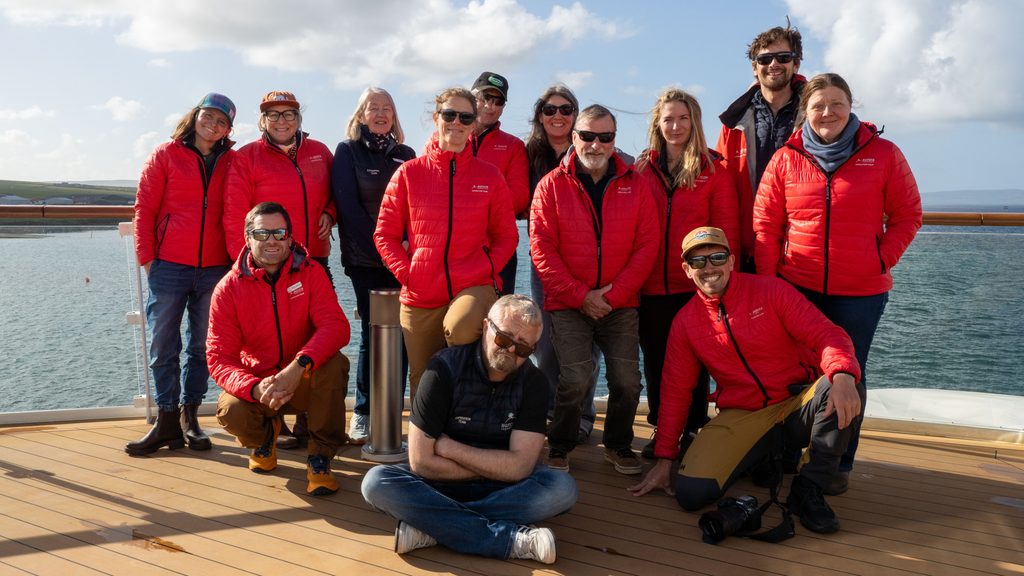
    Our awesome expedition team in Scotland from Aurora Expeditions

    Be Specific About Activity and Accessibility

    “You don’t need to be an athlete” is reassuring, but it doesn’t explain what a particular trip requires.

    We’ll talk about your comfort with boarding small boats, managing steps, walking on uneven ground, and being outdoors in changing conditions. For snorkeling or kayaking, we’ll also check any experience requirements.

    Ask what alternatives are available and what staying onboard would mean for your experience. A gentler outing may be offered, but that needs to be confirmed for the voyage you’re considering.

    Activity levels and accessibility on small ships deserve an early conversation. An accessible cabin and an accessible shore experience are separate considerations.


    Choose the Comfort That Matters to You

    Expedition ships range from simple, practical vessels to ships offering spacious suites, multiple dining options, and substantial onboard amenities.

    In Antarctica, I appreciated the comfortable accommodations, good food, and attentive staff aboard Atlas Ocean Voyages’ World Navigator, alongside an excellent expedition team. Returning to a welcoming ship was part of what made the whole journey enjoyable.

    Think about where comfort will matter most to you: a quiet cabin, room for your gear, outdoor viewing space, or somewhere inviting to relax between outings. We’ll weigh those preferences alongside the exploration you want.


    Match the Timing to Your Priorities

    The best departure date depends on your interests, available time, and the destination. Seasonal changes can affect wildlife activity, daylight, weather, and access.

    My Antarctica trip was late in the season, and we enjoyed wonderful wildlife encounters and unusually favorable weather. That was my experience on that departure, rather than something I would promise for another sailing.

    We’ll choose timing around what matters to you, with realistic expectations about what nature may deliver.


    Compare the Full Cost and the Operator’s Approach

    The advertised fare is only part of the comparison. Check what’s included in excursions, equipment, transfers, flights, gratuities, and pre- or post-cruise arrangements. Optional activities may carry an additional charge or require advance reservations.

    I also consider how the operator approaches wildlife encounters, local communities, and conservation. Specific practices and partnerships tell us more than a broad sustainability claim.

    The aim is to understand what you’re paying for and how well it supports the experience you want.


    Let’s Find the Right Expedition for You

    You don’t need to research every ship before we talk. Bring your interests, any concerns, and an idea of your budget and timing.

    I’ll help you narrow the choices and understand the tradeoffs, then plan the travel around your voyage. You can learn more about expedition and small-ship cruising or schedule a complimentary consultation to get started.

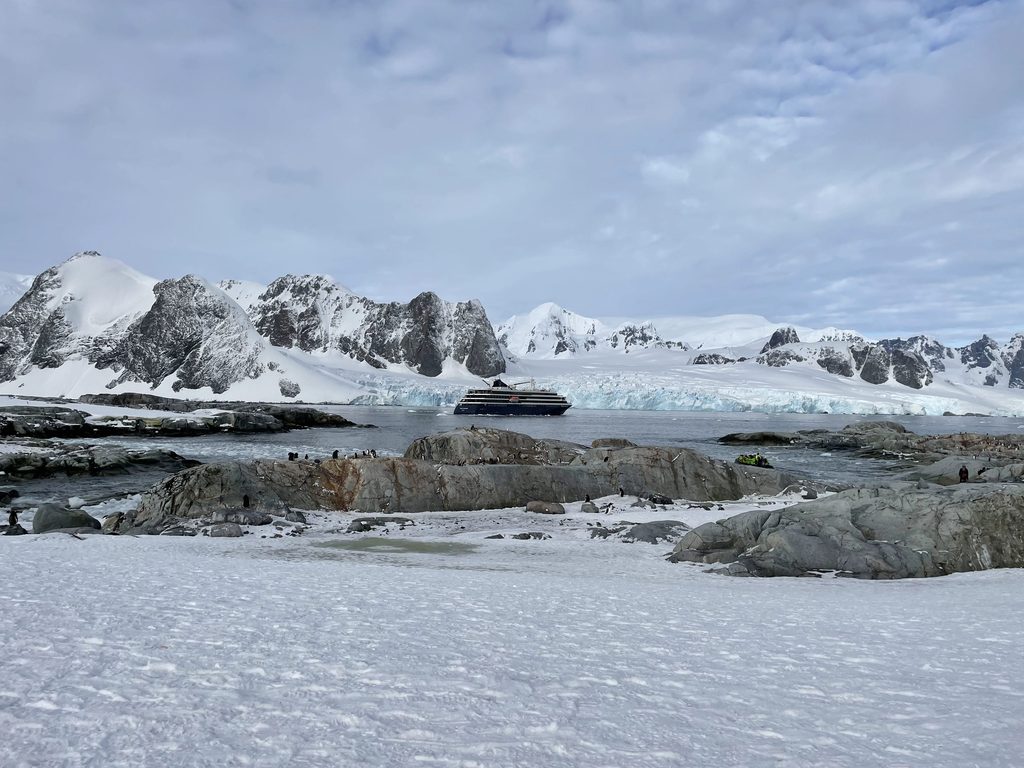
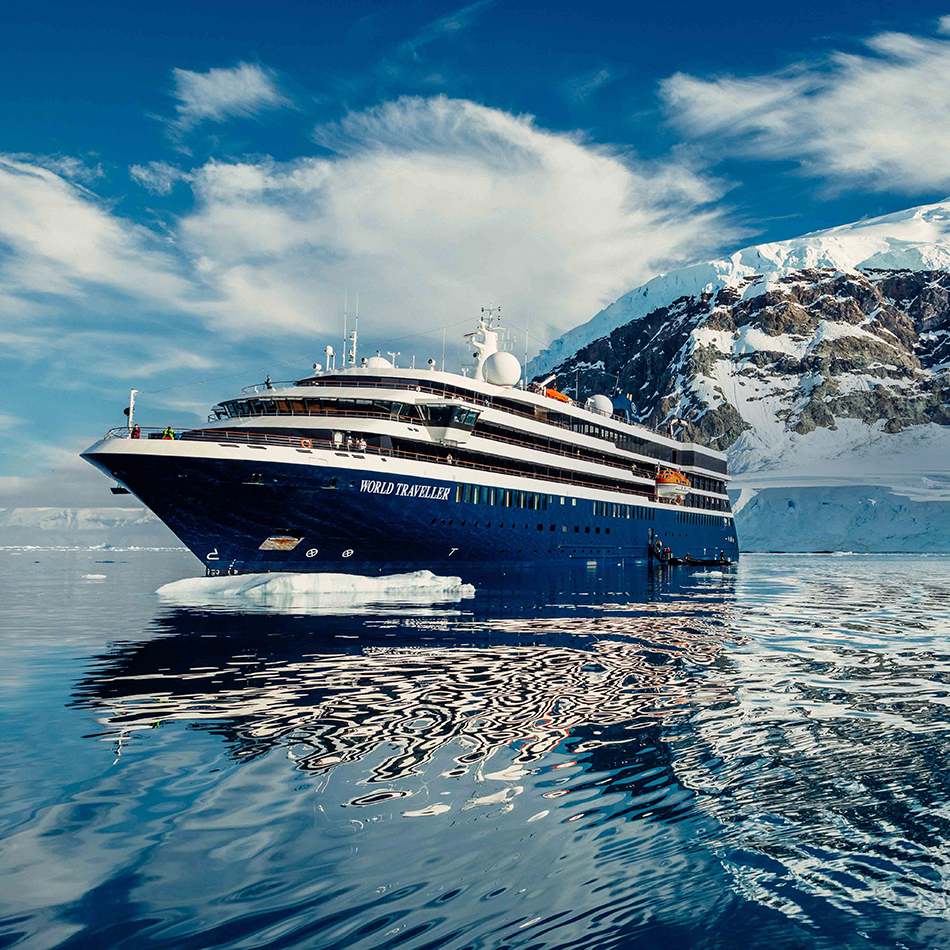
    The Atlas World Traveller on a sunny day in Antarctica
  • Expedition vs. Small-Ship Cruising: Find Your Fit

    Expedition vs. Small-Ship Cruising: Find Your Fit

    You like the idea of a smaller ship, interesting destinations, and time to explore. But as you start researching, you’ll see several descriptions: expedition cruises, small-ship cruises, yacht-style voyages, and luxury expeditions.

    These experiences overlap. The most useful distinction is that small ship describes the vessel, while expedition describes the way you explore. A small ship may follow a port-focused itinerary, operate an expedition, or offer elements of both.

    Understanding those differences helps you choose a trip that feels right, from how you spend your days to the atmosphere you return to onboard.


    What Is Small-Ship Cruising?

    Small-ship cruising covers a broad range of experiences. A yacht carrying a few dozen guests and an ocean ship carrying several hundred may both be marketed as small ships, so it’s worth looking at the actual passenger capacity.

    On a port-focused voyage, your days might include a guided walk through a historic town, a visit to a local market, or an afternoon exploring independently. Back onboard, the emphasis might be on dining, conversation, and enjoying the scenery.

    Windstar’s coastal voyages are one example of this style, pairing a yacht atmosphere with destination-focused itineraries that can include longer port stays and overnights.

    This can be a good fit if you enjoy cultural experiences, time on your own, and the convenience of traveling between places without repeatedly packing and changing hotels.


    What Makes a Cruise an Expedition?

    An expedition is built around guided exploration and learning about the places you visit. An onboard team may include naturalists, historians, photography specialists, or other experts, depending on the destination.

    Your days might involve cruising along a shoreline in a Zodiac, walking with a naturalist, snorkeling, or visiting a community with local guides. The ship serves as your base for exploring.

    Flexibility is often part of the experience. Weather, sea conditions, and wildlife opportunities may shape the day’s plans. You’ll have an itinerary, but you need to be comfortable with adjustments along the way.

    Expedition travel may appeal to you if wildlife, landscapes, and understanding what you’re seeing are central to the trip. It also helps to enjoy guided experiences and a little unpredictability. Learn more about how to choose an expedition cruise.


    Adventure and Comfort Can Go Together

    Expedition cruising includes a wide range of ships, from straightforward vessels focused on time outdoors to luxury ships with spacious suites, multiple dining options, and attentive service.

    Seabourn’s expedition voyages, for example, combine guided Zodiac outings and landings with a luxury onboard experience. Some additional activities, such as kayaking, carry a separate charge.

    An adventurous itinerary can still come with considerable comfort. The questions are how you want to explore and what you want waiting for you at the end of the day.

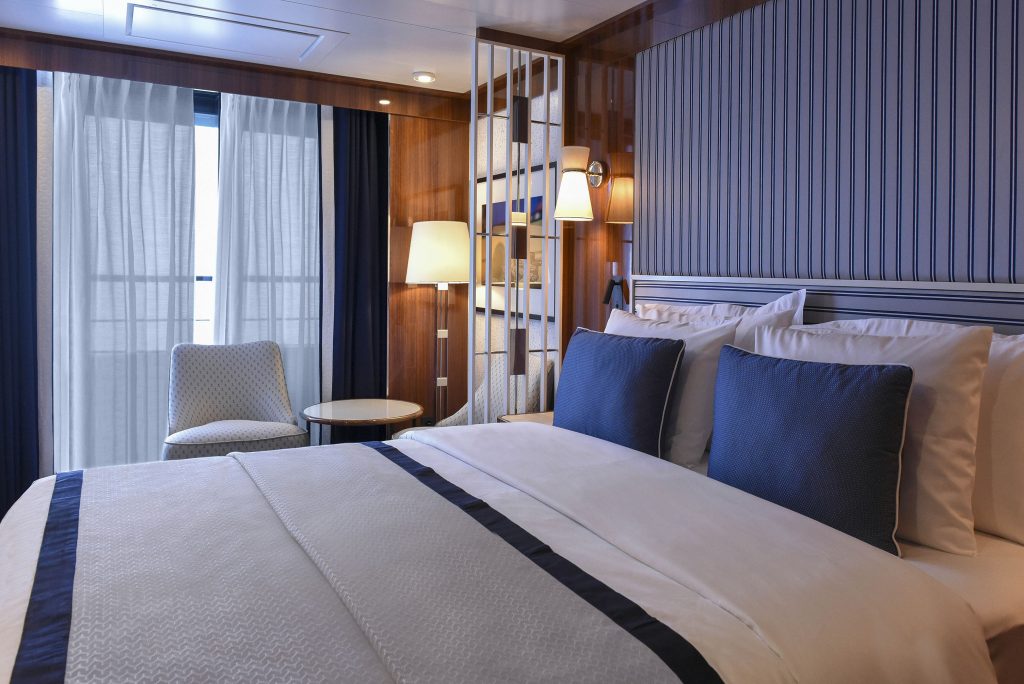
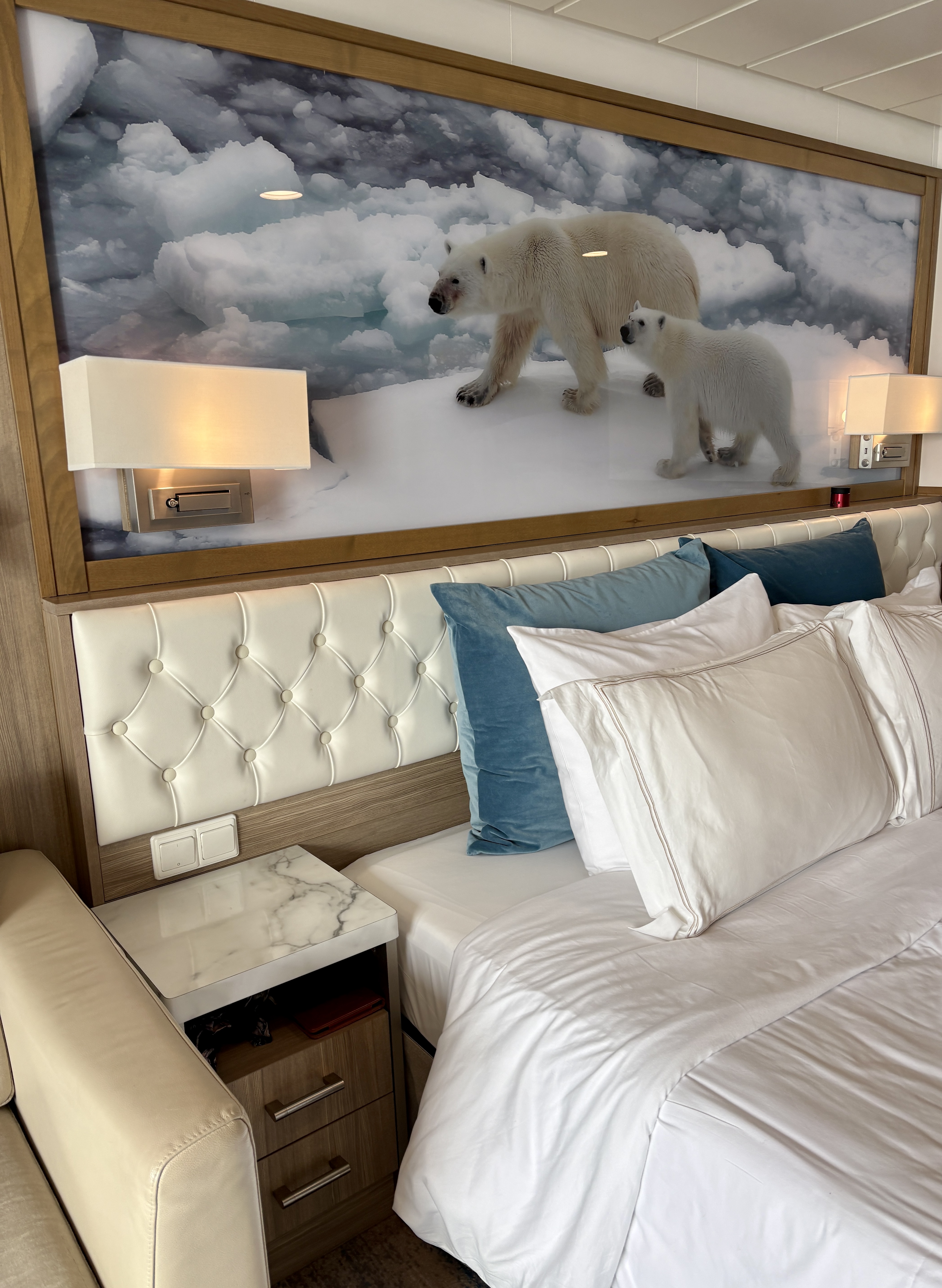
    My stateroom aboard the Greg Mortimer with Aurora Expeditions

    How Might Your Days Differ?

    These are common patterns to explore when comparing voyages, rather than fixed rules.

    Time ashore: A port-focused small-ship voyage typically offers towns, cultural excursions, and independent exploring. An expedition often emphasizes guided landings, wildlife outings, and exploration by small boat.

    Guiding: On a port-focused voyage, you may meet local guides on selected excursions. On an expedition, an onboard team is involved throughout the journey.

    Schedule: Port-focused voyages usually follow scheduled port calls. Expedition plans are often adjusted to conditions and exploration opportunities.

    Independence: A port-focused voyage often gives you more opportunities to wander on your own. On an expedition, many outings take place with guides, especially in remote areas.

    Onboard experience: Both styles offer a range of accommodations and amenities. The specific ship matters more than the category.


    Look Beyond the Label

    The specific sailing matters more than the category. The same destination can offer very different experiences, and a cruise line may operate both expedition and port-focused voyages.

    When comparing options, I’d start with these questions:

    • What do you most want to experience? Wildlife encounters, coastal communities, history, active exploration, or a blend?
    • How do you like to spend your days? Guided outings, independent time, or a balance of both?
    • What activity level feels comfortable? Check the boarding requirements, walking terrain, and alternatives available on the specific voyage.
    • What matters onboard? Cabin space, dining choices, outdoor viewing areas, and the overall atmosphere?
    • What is included? Compare excursions, equipment, transfers, gratuities, and optional activities alongside the fare.

    Accessibility deserves a separate conversation. An accessible cabin doesn’t tell you whether you can participate in a landing or board a small excursion boat. We’ll review those details with the operator before choosing a trip.
    I also consider how a voyage approaches the places it visits: the role of local guides and businesses, how wildlife encounters are managed, and whether the operator supports conservation. These are part of my approach to meaningful travel, whether you’re exploring coastal communities or joining an expedition in a remote region.


    Finding Your Fit

    My travels aboard expedition and small ships in Antarctica, Alaska, the Galápagos, Scotland, and the Mediterranean have given me different perspectives on this style of travel.

    I use that experience to help you picture the trip beyond its destination list: how your days might unfold, how much structure to expect, and where you’ll have room to explore at your own pace.

    You can learn more about expedition and small-ship cruising on my specialty page, or start with a complimentary consultation. We’ll talk about what draws you to this kind of travel and find a voyage that fits.
    Aurora ship off shore at Saint Kilda, Scotland
  • How to Choose the Right River Cruise

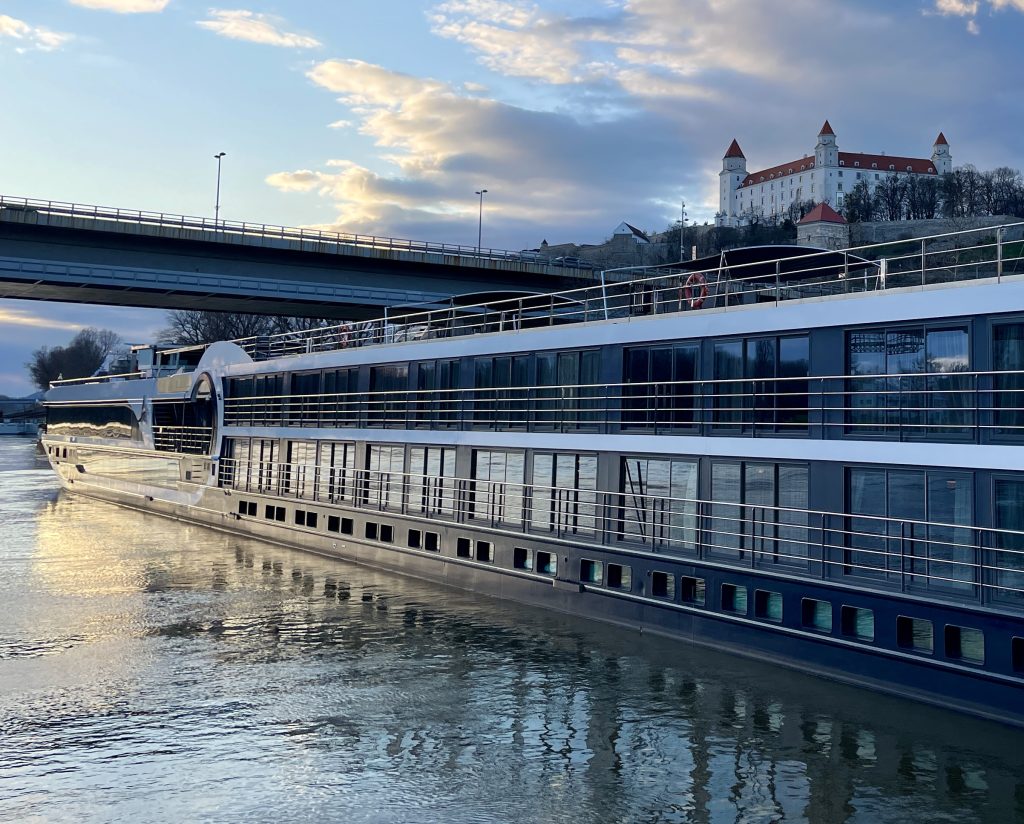
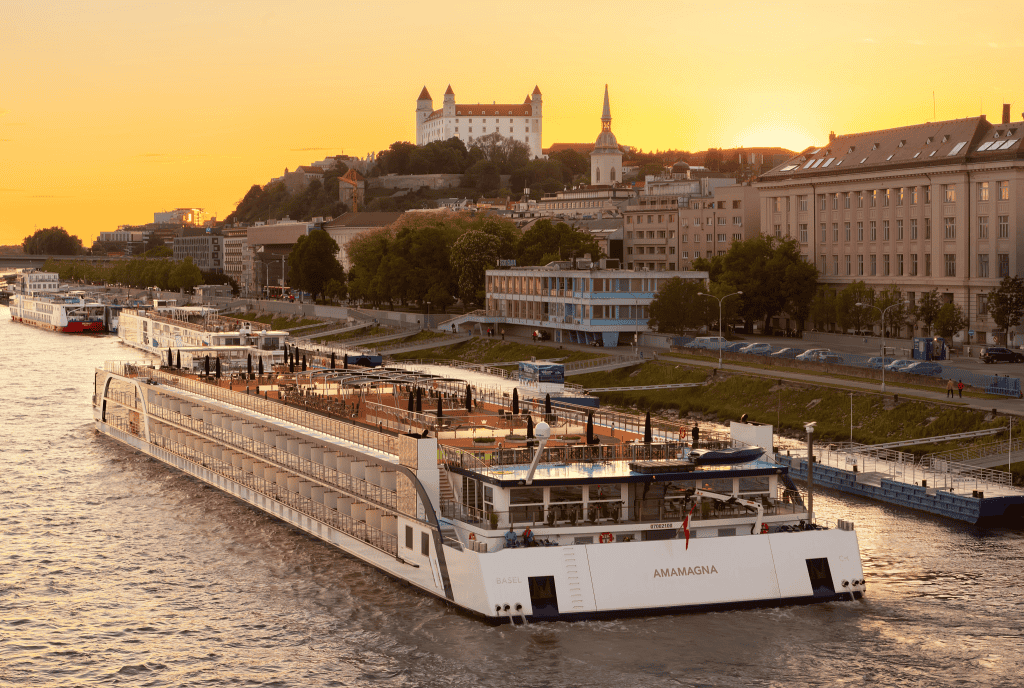
    Avalon river cruise sailing by Bratislava, Slovakia
    Avalon river cruise sailing by Bratislava, Slovakia

    River cruises can look remarkably similar at first glance. Many cruise lines sail the same rivers, visit many of the same cities, and even offer similar-looking excursions. But the experience onboard and ashore can vary considerably.

    The best river cruise isn’t simply the one with the most appealing itinerary or lowest fare. It’s the combination of destination, cruise line, ship, inclusions and travel style that fits how you want to spend your vacation.
    When I help clients compare river cruises, these are some of the things I look at.

    1. Start with Where You Want to Go

    For many travelers, choosing the river is the easiest place to start.

    The Rhine is known for castles, vineyards and historic towns, while the Danube combines major cities such as Vienna and Budapest with smaller communities throughout Central Europe. France offers several distinct experiences: the Seine connects Paris with Normandy, while the Rhône and Saône are especially appealing for travelers interested in food, wine and Provence. Portugal’s Douro is all about beautiful landscapes, wine country and a slower pace.

    Seasonal itineraries matter, too. Christmas market cruises transform the Rhine and Danube in November and December, while tulip cruises in the Netherlands and Belgium offer a very different spring experience.

    If you’re not sure where to begin, my guide to 6 River Cruise Destinations to Consider for Your Next Trip is a good starting point.

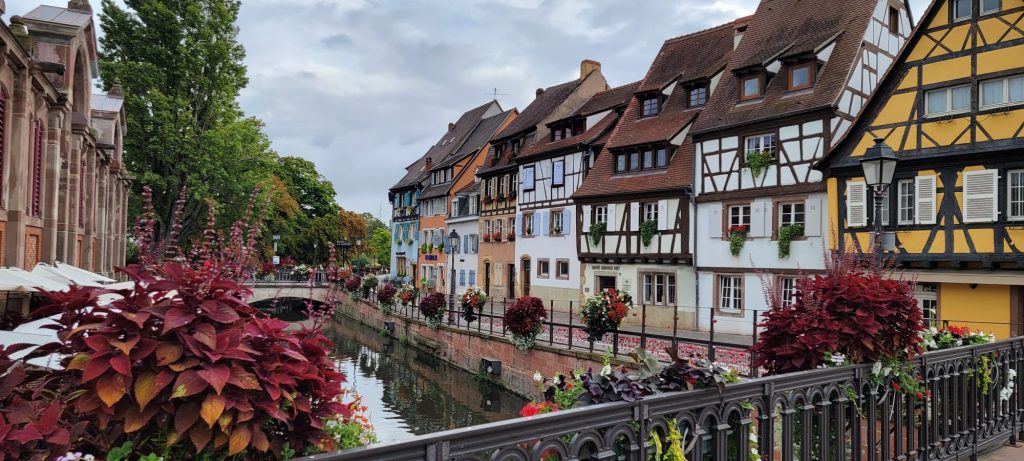
    Strasbourg, France photo from a bridge over a small river running between quaint half-timber buildings.
    Strasbourg, France

    2. Think About How You Like to Travel

    Two people can visit exactly the same ports and want very different vacations.

    Do you like having a guide for most of your sightseeing, or would you rather wander independently after breakfast? Are you happiest visiting museums and historic sites, cycling through the countryside, tasting local wines, or sitting at a café watching daily life unfold?

    River cruise lines approach excursions differently. Some emphasize traditional guided sightseeing, while others offer multiple activity levels or choices in each port. Certain lines provide bicycles or include more active excursions. Others put greater emphasis on culinary experiences, wine, culture or slower-paced touring.

    I generally prefer itineraries that leave some breathing room. An included excursion can be a wonderful introduction to a destination, but you don’t necessarily need a scheduled activity every hour you’re ashore.


    3. Compare the Cruise Lines, Not Just the Itineraries

    This is where choosing a river cruise becomes more complicated.

    Several cruise lines may offer nearly identical routes, but that doesn’t mean the experiences are interchangeable.

    Cruise lines differ in areas such as:

    • Dining style and restaurant choices
    • Included beverages
    • Excursion options and activity levels
    • Gratuities and other inclusions
    • Cabin and suite design
    • Onboard atmosphere and entertainment
    • Bicycles, fitness facilities and wellness programming
    • Pre- and post-cruise options

    I’ve sailed with different river cruise companies and toured ships from many others, and one thing becomes clear quickly: there isn’t one river cruise line that’s best for everyone.

    The better question is which cruise line fits you best?


    4. Look Beyond the Cruise Fare

    When comparing river cruises, the advertised price doesn’t always tell you what the trip will ultimately cost.

    One cruise may include gratuities, airport transfers, premium beverages and a broad choice of excursions. Another may price some of those separately. Airfare promotions can make a cruise look particularly attractive, but it’s worth understanding exactly what the promotion includes and whether the air arrangements make sense for your trip.

    I prefer to compare the overall experience and value rather than simply putting two cruise fares next to each other.

    Sometimes the higher-priced option actually includes considerably more. Other times, paying for inclusions you don’t particularly care about doesn’t make sense.


    5. Pay Attention to the Ship and Your Cabin

    River ships are much smaller than ocean cruise ships, and space is used differently.

    Cabins may have fixed windows, French balconies, traditional step-out balconies or designs that combine indoor and outdoor space. Suites can provide substantially more room, but cabin terminology varies by cruise line, so it’s worth looking at the actual layout rather than relying on the category name.

    Public spaces differ as well. Some ships emphasize a spacious lounge and dining room, while others offer multiple restaurants, pools, fitness areas or additional outdoor spaces.

    You probably won’t choose a river cruise based on a waterslide or Broadway show. That isn’t really the point. But the ship will be your home for a week or more, so its layout and atmosphere still matter.

    If you have accessibility needs, we’ll look beyond the cabin to check lift access, boarding arrangements, and excursion requirements; my guide to planning around your travel accessibility needs explains the details worth discussing before you book.

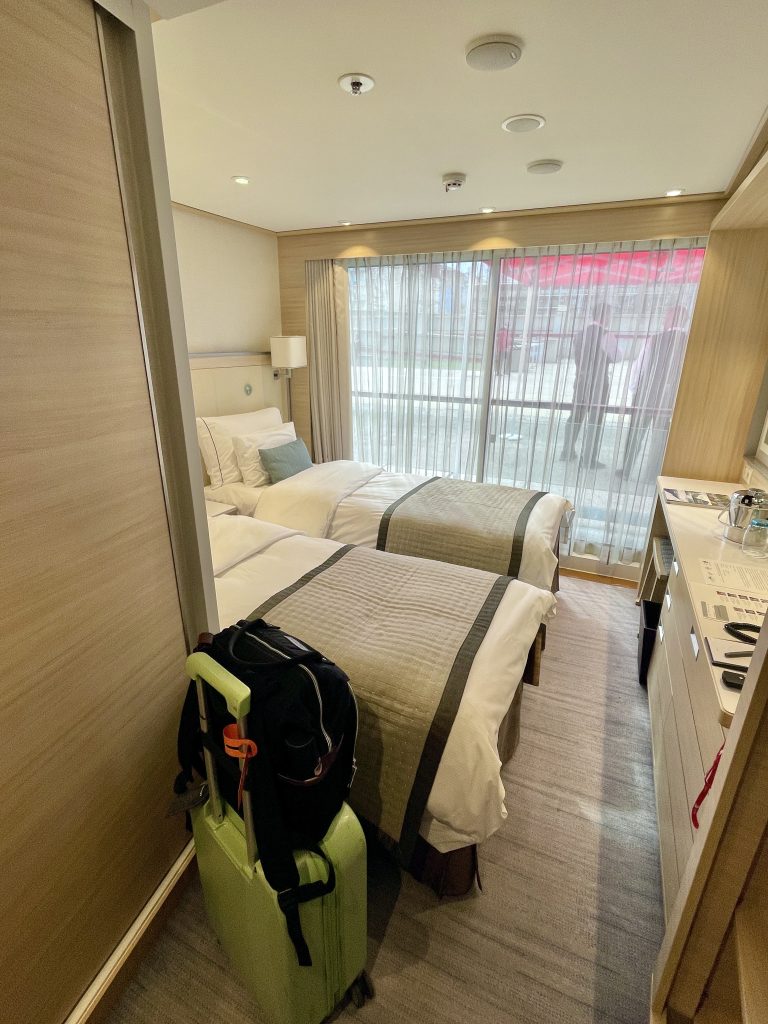
    My cabin aboard Viking during the ASTA River Cruise conference in Vienna

    6. Study the Actual Itinerary

    Don’t stop at “7-night Rhine cruise.”

    Look at where the ship actually stops, how long it stays, which ports are visited during the day, and whether there are overnight stays.

    Also look at the included excursions. Does the cruise offer one standard walking tour in each destination, or several choices? Are some experiences an additional charge? Will you have enough free time to explore independently?

    Even cruises traveling the same river can offer meaningfully different experiences based on these details.


    7. Consider What Happens Before and After the Cruise

    One of the advantages of river cruising is how easily it can fit into a longer European trip.

    Rather than flying to Europe, boarding the ship and immediately flying home afterward, you might spend several days independently in Amsterdam before a Rhine cruise, add time in Budapest after the Danube, or combine a Rhône cruise with additional time elsewhere in France.

    This is also where I think thoughtful planning makes a substantial difference. The cruise handles much of the logistics for one portion of the trip, while the time before or afterward gives you more freedom to experience a destination at your own pace.

    Classic yellow trams running through Budapest, Hungary
    Classic trams in Budapest, Hungary

    Questions I Ask Before Recommending a River Cruise

    When I’m helping someone narrow the choices, I usually want to know:

    • Which destinations or experiences are drawing you to river cruising?
    • How active do you like your days to be?
    • Do you prefer structured sightseeing or independent exploration?
    • How important are food and wine to the experience?
    • What kind of atmosphere do you enjoy onboard?
    • Which inclusions matter to you, and which don’t?
    • Do you want to extend your trip before or after the cruise?
    • What overall investment feels comfortable for this trip?

    The answers usually tell me far more than simply asking which cruise line you’ve heard of.


    Finding the Right Fit

    There are many excellent river cruise lines, which is precisely why choosing one can feel overwhelming. The goal isn’t to identify a universal “best” river cruise. It’s to find the experience that matches your interests, priorities and travel style.

    I’ve sailed several European rivers and experienced different river cruise lines firsthand, in addition to touring ships and continuing to learn about the differences among them. I use that experience to help my clients compare the details that matter and narrow what can initially feel like an endless collection of options.

    If you’re considering a river cruise, you can learn more about River Cruising and how I help clients plan the experience that’s right for them.

    The best river cruise isn’t the one with the biggest advertising budget. It’s the one that matches how you like to travel.

    AmaMagna sailing by the castle in Bratislava on the Danube