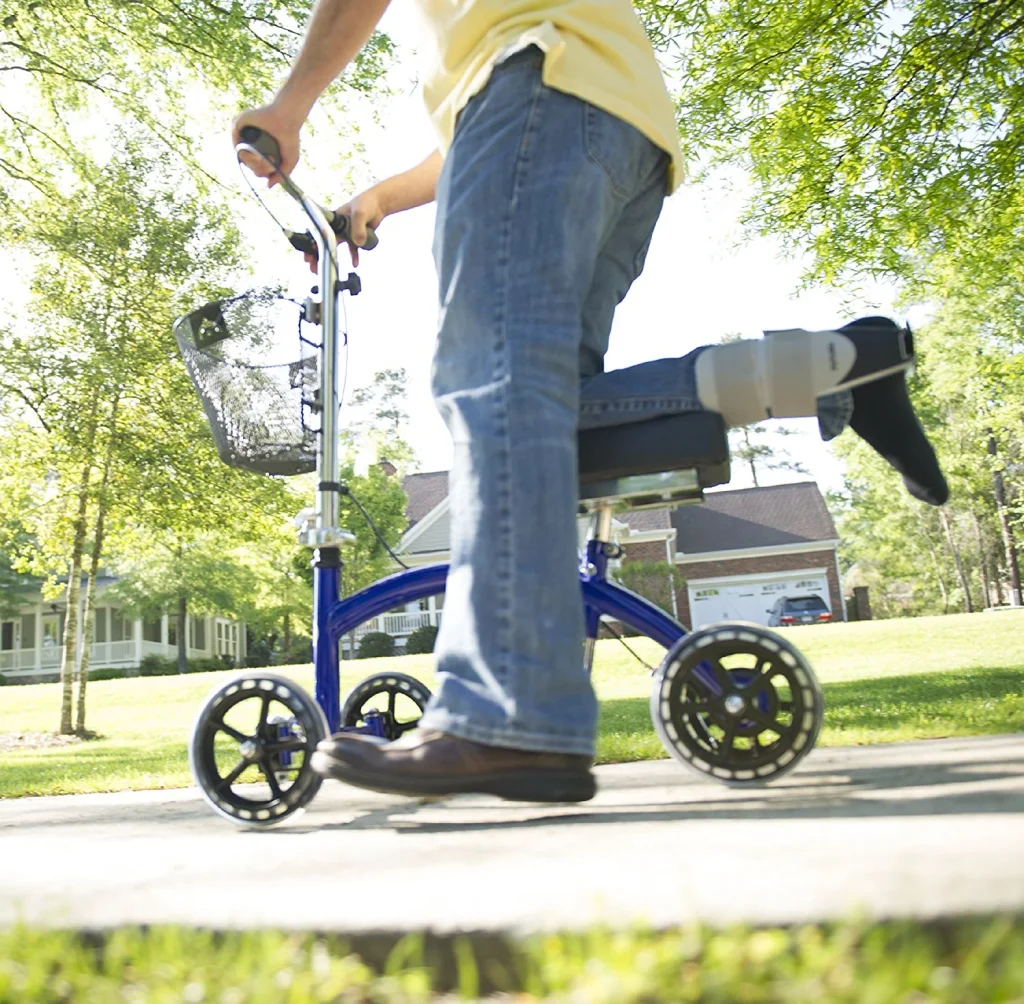
You may need step-free access, prefer shorter walks, or want more time to rest between activities. You might also have hearing, vision, sensory, or other needs that affect how you experience a trip.
These are useful things to discuss early. They help us choose the accommodation, transportation, activities, and pace that will allow you to enjoy the journey.
Accessibility is specific to the traveler. A trip described as “easy” or a hotel labeled “accessible” needs a closer look to understand whether it meets your needs.
Some needs may be temporary, but still need consideration to ease travel barriers
Start with What Works for You
We’ll begin with practical details rather than broad labels.
How far can you comfortably walk? Are stairs manageable? Does standing for an extended period cause difficulty? If you use a mobility device, what space and assistance do you need?
Hearing support, readable information, quieter environments, and predictable schedules may matter just as much. Tell me what makes a day enjoyable and what tends to make it difficult.
For couples, families, or groups with different needs, we can look at where everyone wants to participate together and where separate options might work better.
Look Beyond the Hotel Room
An accessible room is one part of the stay. We also need to consider the route from the street to reception, the lift, dining areas, and the facilities you want to use.
The details depend on your needs. A walk-in shower may still have a raised threshold. A property with a lift may have steps at its entrance or areas the lift doesn’t serve.
When necessary, I’ll request specific information, measurements, or photographs from the property. We’ll distinguish a confirmed feature from a request that remains subject to availability.
Match Europe’s Experiences to Your Comfort Level
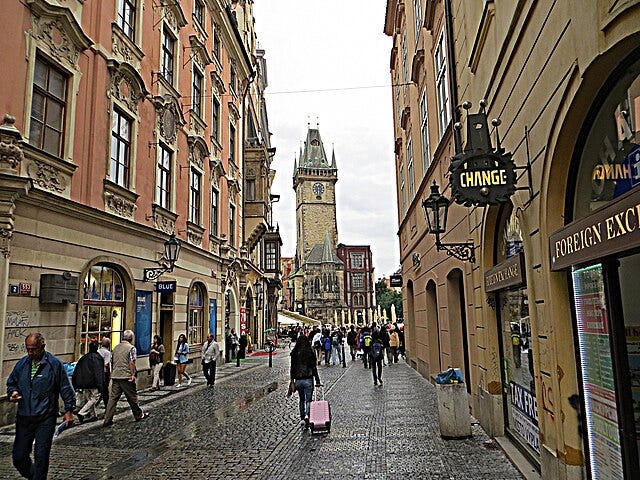
Historic streets, cobblestones, hills, stairs, and older buildings can affect a day of exploring. A walking tour’s duration doesn’t tell us the whole story.
We’ll consider distance, terrain, standing time, opportunities to sit, and access to restrooms. A private guide may be able to adjust the route or pace, but we need to confirm what the sites themselves allow.
A thoughtfully located hotel, planned transportation, and fewer activities can make the itinerary more manageable. We’ll choose the experiences you most want rather than assuming every highlight needs to fit.
Check River Cruising Onboard and Ashore
Unpacking once can make river cruising appealing, but the ship and excursions each deserve a separate accessibility review.
Questions include which decks the lift serves, whether the cabin layout works for you, and how you board and leave the ship. Some docking arrangements require crossing another vessel, which can introduce additional obstacles.
A gentler excursion may still involve cobblestones, steps, or periods of standing. We’ll check the actual requirements and alternatives instead of relying on the excursion’s name.
An expedition may involve boarding a Zodiac or skiff, stepping ashore on uneven ground, or getting in and out of a kayak. Shipboard access and the ability to join an outing are separate considerations.
We’ll ask about boarding procedures, permitted assistance, activity requirements, and alternatives. Assistance with one task doesn’t establish that the whole excursion is suitable.
If a landing isn’t possible for you, we should understand what you could do instead and whether the overall voyage would still be enjoyable. These questions are part of choosing an expedition cruise.
Include Transportation and Daily Pace
Airport assistance, station access, vehicle boarding, and space for mobility equipment should be considered alongside hotels and tours.
A private transfer can simplify some logistics, but the vehicle still needs to meet your requirements. Likewise, a short train ride can involve challenging station access.
Rest time matters, too. Longer stays, later starts, shorter outings, and open afternoons can help create a trip that fits your energy level.
Confirm the Details Before Booking
I’ll work with providers to clarify requirements and available accommodations. Where more specialist arrangements are needed, we can explore appropriate partners.
Some limitations may remain, and we’ll discuss them before deciding. Specific information is more useful than a general assurance that something will be fine.
If your needs change after booking, let me know promptly so we can review the arrangements.
Let’s Plan Around You
You don’t need to wait until you’ve chosen a destination or cruise to discuss accessibility.
We can start with what you want from the trip and what would help you participate comfortably, then explore suitable options. Learn more about working with me, or schedule a complimentary consultationto begin the conversation.
Some of the best travel memories come from a conversation, a shared meal, or a guide who helps you understand a place differently.
Those experiences are part of what I mean by meaningful travel: a trip that connects you with a destination while considering the people, culture, and environment that make it special.
My learning through Virtuoso, ASTA and Tourism Cares has reinforced that approach. Tourism Cares emphasizes travel that benefits local communities, and I find that a useful starting point when thinking about the experiences I recommend.
Read more about meaningful travel experiences I’ve had around the world, such as in the Galapagos and Antarctica.
Shopping local // Copyright: Tarina Rodriguez
Start with the People Who Know the Place
Local guides, independent businesses, and community-led experiences can bring valuable perspectives to a journey.
That might mean exploring a neighborhood with a guide who lives there, visiting a workshop where artisans explain their craft, or choosing a locally owned restaurant. The experience should feel relevant to your interests, with the people hosting it having a clear role in how it is offered.
I look for partners who can explain their local relationships and how an experience supports the people involved. A visit described as “authentic” deserves the same thoughtful questions as any other travel recommendation.
Make Room to Experience Daily Life
A well-paced itinerary gives you time to notice more. You can return to a café you enjoyed, browse a market, or spend an afternoon exploring without watching the clock.
For custom Europe trips, that often means fewer hotel changes and more time in each place. On a cruise, it may mean choosing your time ashore carefully rather than filling every available hour.
Independent exploration and guided experiences can complement each other. A good introduction helps you understand a destination; open time lets you follow your own interests.
Respect the Communities Welcoming You
Places that welcome travelers are also places where people live and work.
I encourage clients to learn a little about local customs, ask before photographing people, and follow guidance at cultural and religious sites. When visiting an Indigenous community or taking part in a cultural experience, I look for local participation and leadership in how that encounter is presented.
Popular sights can still be worthwhile. We can consider when and how to visit them, alongside experiences that broaden your view of the destination.
Look Carefully at Wildlife Experiences
Wildlife has been a memorable part of my travels in Antarctica, Alaska, and the Galápagos. It also makes the choice of operator and guide particularly important.
I favor experiences built around observing animals in their habitat, following local guidance, and giving wildlife space. I ask questions about encounters that depend on touching, feeding, or manipulating animals for a photograph.
Good guiding adds understanding. Learning about an animal’s behavior and habitat can make an encounter more rewarding while helping you appreciate why boundaries matter.
Giant tortoise in the Galapagos
Consider How Travel Can Support Conservation
You may hear the term “nature-positive tourism.” I use it here to describe an approach that looks for opportunities to support the protection and recovery of nature.
When evaluating an experience, I look for specifics: conservation partnerships, habitat protection, local stewardship, or a clear explanation of how visitor spending supports that work.
I also ask about practical environmental measures. A broad sustainability claim or a smaller ship, on its own, gives me too little information to assess an operator.
Make Thoughtful Choices About the Journey
Transportation and accommodation are part of the picture, too.
When a train is a practical alternative to a short flight, or a longer stay reduces unnecessary travel between places, we can consider those options. I also look at hotel location and how it affects getting around.
These choices need to work for your time, budget, and accessibility needs. The aim is a trip that is enjoyable and manageable, with consideration built into the planning.
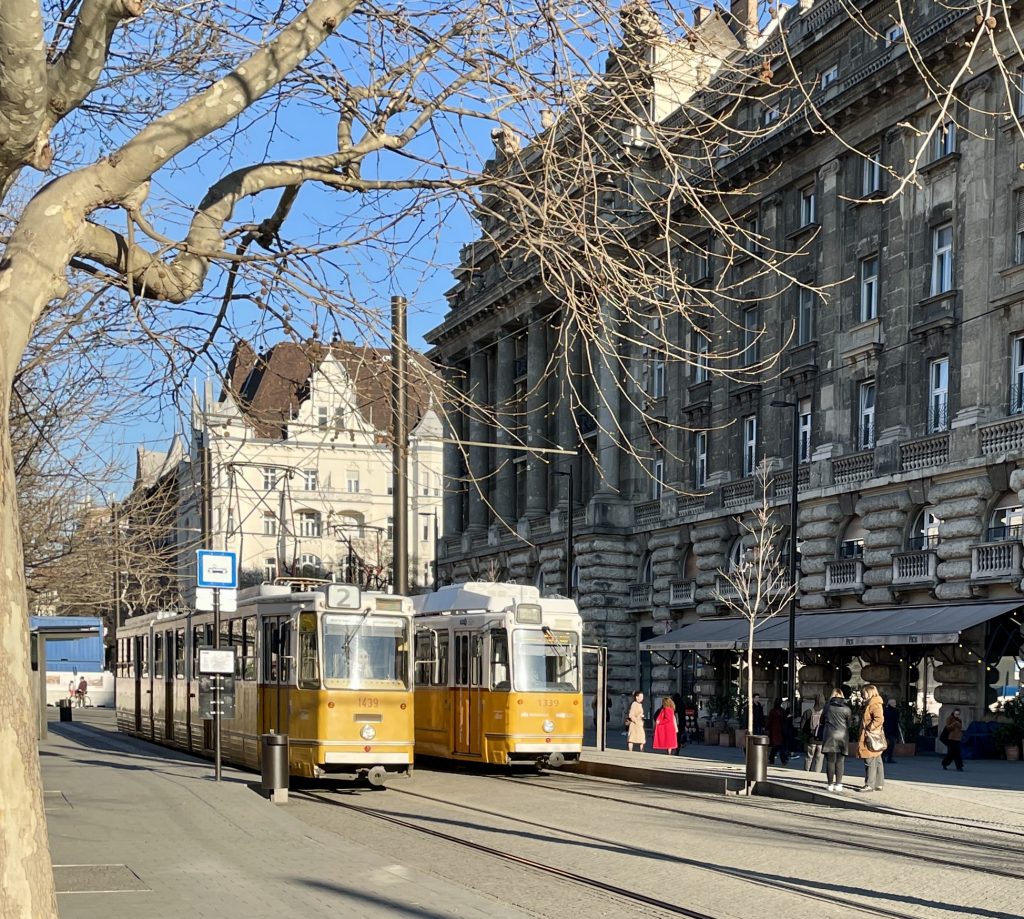
Trams in Budapest, Hungary
How This Shapes Your Trip
Meaningful travel can fit into a city break, river cruise, expedition, or longer custom itinerary. It starts with choosing experiences and partners thoughtfully, then leaving room to enjoy them.
Tell me what matters to you, whether that’s local food, cultural understanding, wildlife, conservation, or time connecting with the people you meet.
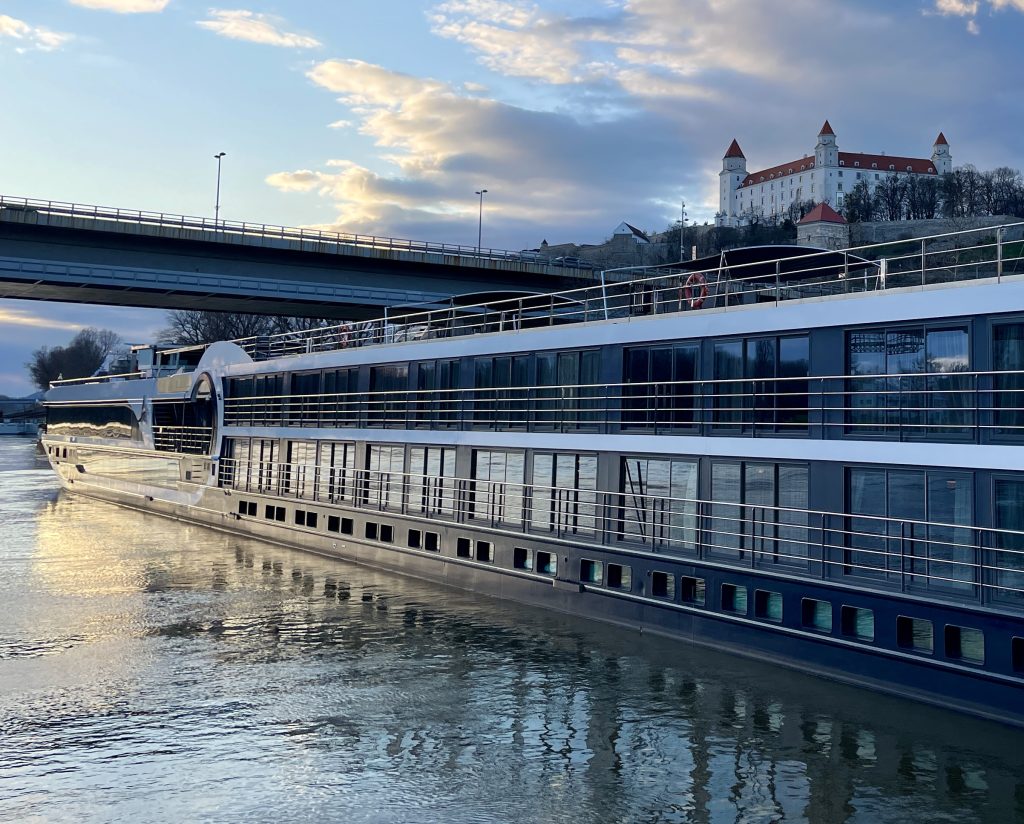
Avalon river cruise sailing by Bratislava, Slovakia
River cruises can look remarkably similar at first glance. Many cruise lines sail the same rivers, visit many of the same cities, and even offer similar-looking excursions. But the experience onboard and ashore can vary considerably.
The best river cruise isn’t simply the one with the most appealing itinerary or lowest fare. It’s the combination of destination, cruise line, ship, inclusions and travel style that fits how you want to spend your vacation.
When I help clients compare river cruises, these are some of the things I look at.
1. Start with Where You Want to Go
For many travelers, choosing the river is the easiest place to start.
The Rhine is known for castles, vineyards and historic towns, while the Danube combines major cities such as Vienna and Budapest with smaller communities throughout Central Europe. France offers several distinct experiences: the Seine connects Paris with Normandy, while the Rhône and Saône are especially appealing for travelers interested in food, wine and Provence. Portugal’s Douro is all about beautiful landscapes, wine country and a slower pace.
Seasonal itineraries matter, too. Christmas market cruises transform the Rhine and Danube in November and December, while tulip cruises in the Netherlands and Belgium offer a very different spring experience.
Two people can visit exactly the same ports and want very different vacations.
Do you like having a guide for most of your sightseeing, or would you rather wander independently after breakfast? Are you happiest visiting museums and historic sites, cycling through the countryside, tasting local wines, or sitting at a café watching daily life unfold?
River cruise lines approach excursions differently. Some emphasize traditional guided sightseeing, while others offer multiple activity levels or choices in each port. Certain lines provide bicycles or include more active excursions. Others put greater emphasis on culinary experiences, wine, culture or slower-paced touring.
I generally prefer itineraries that leave some breathing room. An included excursion can be a wonderful introduction to a destination, but you don’t necessarily need a scheduled activity every hour you’re ashore.
3. Compare the Cruise Lines, Not Just the Itineraries
This is where choosing a river cruise becomes more complicated.
Several cruise lines may offer nearly identical routes, but that doesn’t mean the experiences are interchangeable.
Cruise lines differ in areas such as:
Dining style and restaurant choices
Included beverages
Excursion options and activity levels
Gratuities and other inclusions
Cabin and suite design
Onboard atmosphere and entertainment
Bicycles, fitness facilities and wellness programming
Pre- and post-cruise options
I’ve sailed with different river cruise companies and toured ships from many others, and one thing becomes clear quickly: there isn’t one river cruise line that’s best for everyone.
The better question is which cruise line fits you best?
4. Look Beyond the Cruise Fare
When comparing river cruises, the advertised price doesn’t always tell you what the trip will ultimately cost.
One cruise may include gratuities, airport transfers, premium beverages and a broad choice of excursions. Another may price some of those separately. Airfare promotions can make a cruise look particularly attractive, but it’s worth understanding exactly what the promotion includes and whether the air arrangements make sense for your trip.
I prefer to compare the overall experience and value rather than simply putting two cruise fares next to each other.
Sometimes the higher-priced option actually includes considerably more. Other times, paying for inclusions you don’t particularly care about doesn’t make sense.
5. Pay Attention to the Ship and Your Cabin
River ships are much smaller than ocean cruise ships, and space is used differently.
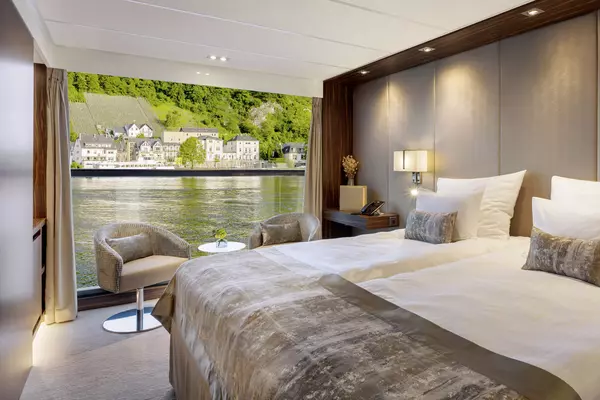
Cabins may have fixed windows, French balconies, traditional step-out balconies or designs that combine indoor and outdoor space. Suites can provide substantially more room, but cabin terminology varies by cruise line, so it’s worth looking at the actual layout rather than relying on the category name.
Public spaces differ as well. Some ships emphasize a spacious lounge and dining room, while others offer multiple restaurants, pools, fitness areas or additional outdoor spaces.
You probably won’t choose a river cruise based on a waterslide or Broadway show. That isn’t really the point. But the ship will be your home for a week or more, so its layout and atmosphere still matter.
If you have accessibility needs, we’ll look beyond the cabin to check lift access, boarding arrangements, and excursion requirements; my guide to planning around your travel accessibility needs explains the details worth discussing before you book.
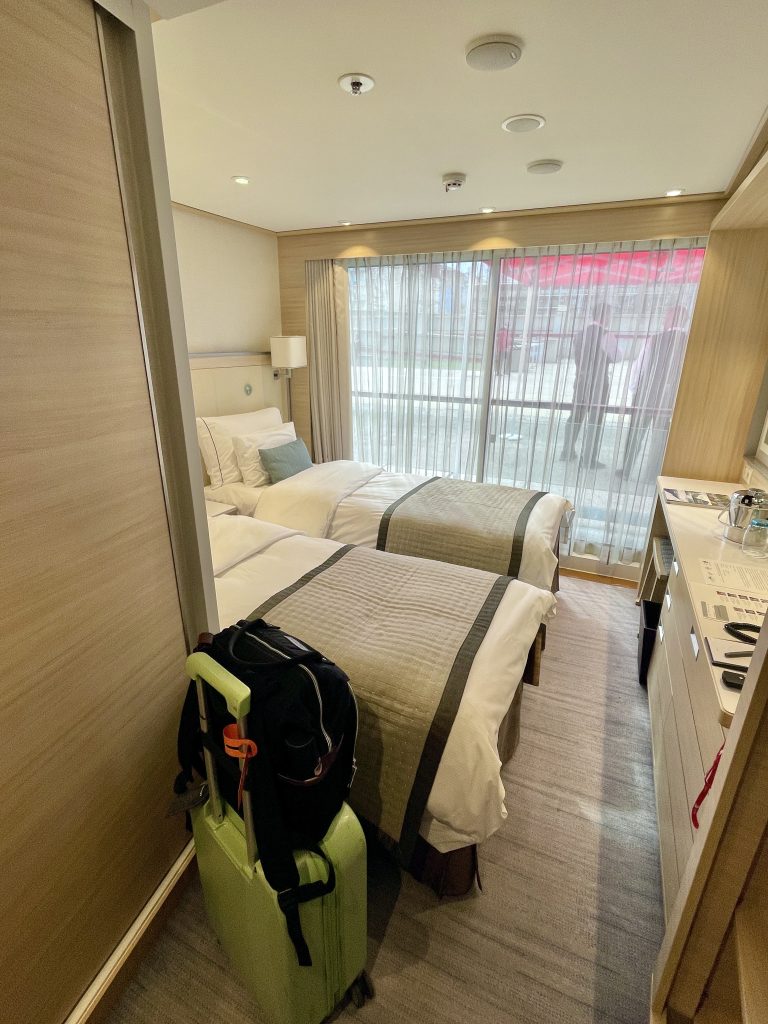
My cabin aboard Viking during the ASTA River Cruise conference in Vienna
6. Study the Actual Itinerary
Don’t stop at “7-night Rhine cruise.”
Look at where the ship actually stops, how long it stays, which ports are visited during the day, and whether there are overnight stays.
Also look at the included excursions. Does the cruise offer one standard walking tour in each destination, or several choices? Are some experiences an additional charge? Will you have enough free time to explore independently?
Even cruises traveling the same river can offer meaningfully different experiences based on these details.
7. Consider What Happens Before and After the Cruise
One of the advantages of river cruising is how easily it can fit into a longer European trip.
Rather than flying to Europe, boarding the ship and immediately flying home afterward, you might spend several days independently in Amsterdam before a Rhine cruise, add time in Budapest after the Danube, or combine a Rhône cruise with additional time elsewhere in France.
This is also where I think thoughtful planning makes a substantial difference. The cruise handles much of the logistics for one portion of the trip, while the time before or afterward gives you more freedom to experience a destination at your own pace.
Classic trams in Budapest, Hungary
Questions I Ask Before Recommending a River Cruise
When I’m helping someone narrow the choices, I usually want to know:
Which destinations or experiences are drawing you to river cruising?
How active do you like your days to be?
Do you prefer structured sightseeing or independent exploration?
How important are food and wine to the experience?
What kind of atmosphere do you enjoy onboard?
Which inclusions matter to you, and which don’t?
Do you want to extend your trip before or after the cruise?
What overall investment feels comfortable for this trip?
The answers usually tell me far more than simply asking which cruise line you’ve heard of.
Finding the Right Fit
There are many excellent river cruise lines, which is precisely why choosing one can feel overwhelming. The goal isn’t to identify a universal “best” river cruise. It’s to find the experience that matches your interests, priorities and travel style.
I’ve sailed several European rivers and experienced different river cruise lines firsthand, in addition to touring ships and continuing to learn about the differences among them. I use that experience to help my clients compare the details that matter and narrow what can initially feel like an endless collection of options.
If you’re considering a river cruise, you can learn more about River Cruising and how I help clients plan the experience that’s right for them.
The best river cruise isn’t the one with the biggest advertising budget. It’s the one that matches how you like to travel.
Choosing a river cruise often starts with a simple question: where do you want to go? Europe’s rivers connect historic cities, wine regions and smaller communities, while destinations farther afield can offer an entirely different experience centered on wildlife and nature.
I’ve sailed several of Europe’s best-known rivers myself, and each has a distinct personality. Here are six river cruise destinations to consider, along with what makes each one different.
Rhine River Cruises: Castles, Vineyards and Historic Towns
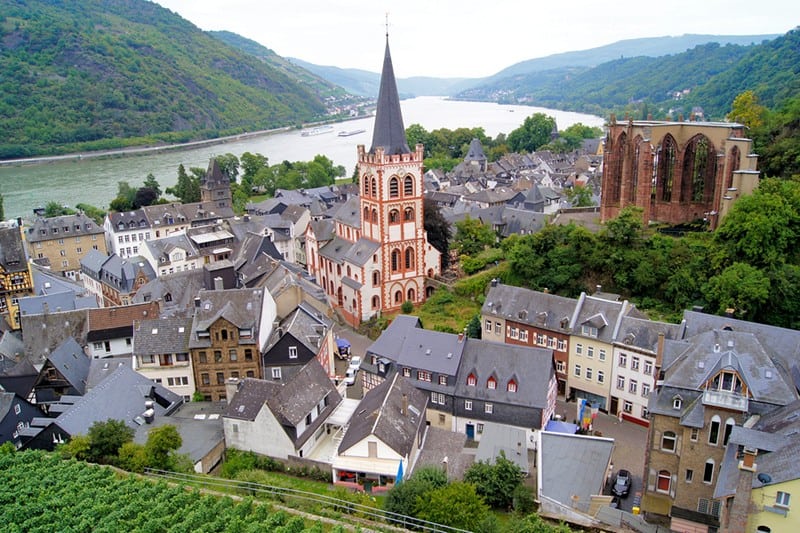
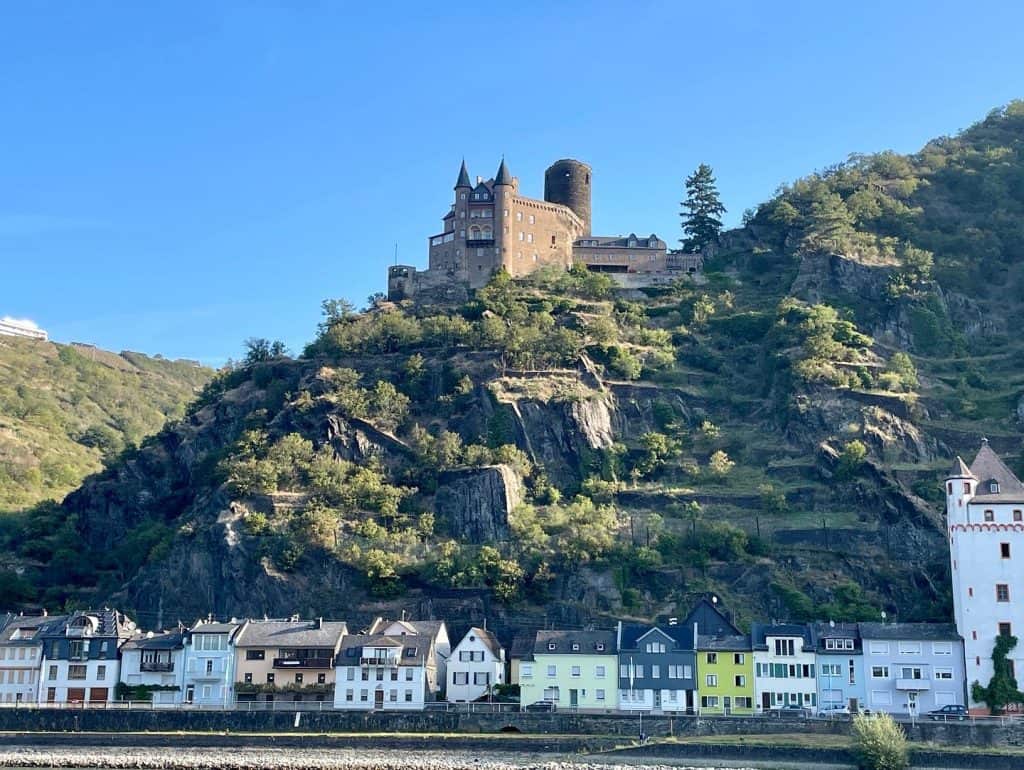
The Rhine is one of the best introductions to European river cruising, combining historic cities, vineyard-covered hillsides, and the storybook scenery many travelers picture when they first consider a river cruise. One of the most memorable stretches is the Upper Middle Rhine Valley, where castles rise above the river and small towns sit tucked between steep vineyards.
Having sailed the Rhine myself, I think its appeal is how naturally the scenery becomes part of the experience. Even between ports, you’re passing vineyards, villages and castles, so there is genuinely something to see from the ship.
Depending on the itinerary, you might explore places such as Rüdesheim, known for its wine culture and lively Drosselgasse, or smaller Rhine towns filled with half-timbered buildings and centuries of history. Wine tastings are a natural part of many Rhine itineraries, particularly for travelers interested in the region’s Rieslings.
The castles aren’t simply scenery. They tell the story of the Rhine’s importance as a major trade route through Europe, when rulers built fortresses along the river to protect territory and collect tolls from passing ships. Today, cruising past them is considerably more relaxing.
Danube River Cruises: Historic Cities and Central European Culture
If the Rhine is known for its scenery and castles, the Danube stands out for the variety of cultures and cities connected by the river. Popular itineraries often include Vienna, with its imperial palaces, classical music and café culture, and Budapest, where some of the city’s most recognizable landmarks line the river.
I’ve also cruised the Danube, and one of its strengths is the contrast from day to day. You can move from a small riverside town to Vienna or Budapest without the transitions feeling rushed.
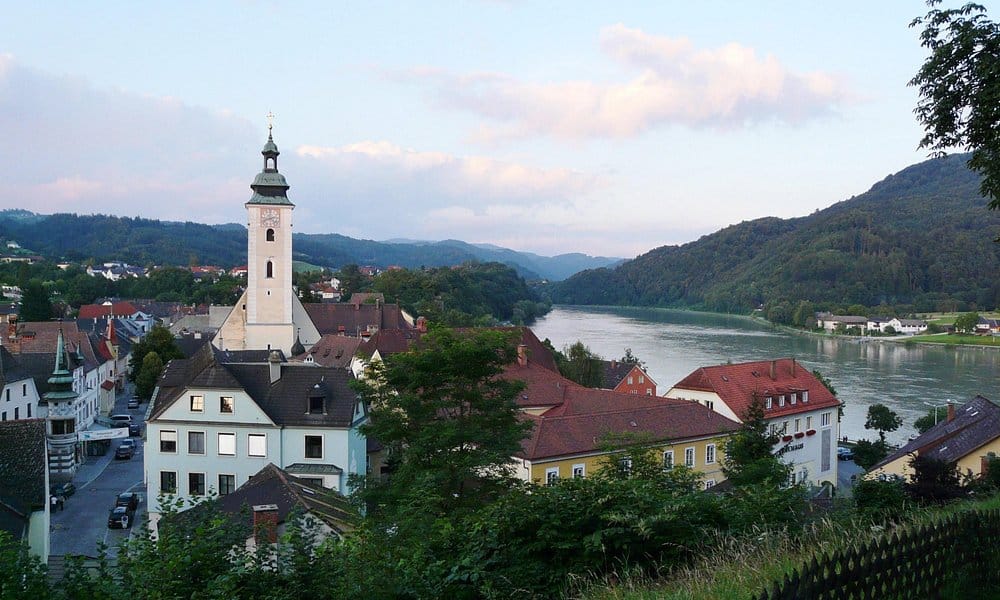
But a Danube cruise isn’t limited to major cities. Depending on the route, you might cycle through the Wachau Valley, taste local wines in Austria, visit smaller towns such as Dürnstein, explore medieval Regensburg, or spend time in Bratislava.
There are also several variations of Danube itineraries, from shorter cruises between Budapest and Germany to longer journeys extending toward Romania and the Danube Delta. The right choice depends on whether you’re most interested in history, food and wine, major European cities, or getting farther off the traditional Central European route.
Seine River Cruises: Paris, Normandy and Impressionist France
Many Seine cruises begin and end in Paris, making it easy to combine time in the French capital with a slower journey into Normandy. Along the way, the river connects travelers with landscapes and communities that inspired generations of artists, particularly the Impressionists.
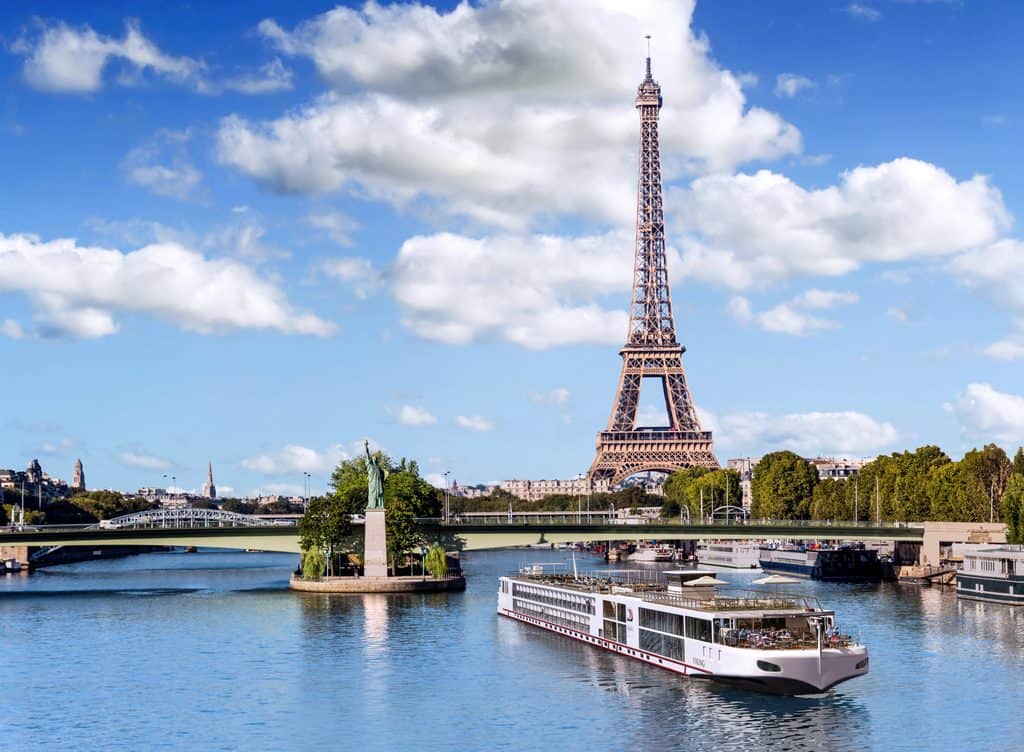
Itineraries may include Monet’s gardens at Giverny, the medieval streets and cathedral of Rouen, small towns along the Seine, and excursions connected to Normandy’s D-Day history. Some cruises travel as far as the Normandy coast, while others place greater emphasis on art, food and the countryside.
One of the pleasures of cruising the Seine is allowing some room for France to happen naturally. Not every meal or afternoon needs an excursion attached to it. A leisurely lunch, a market visit, or time wandering independently can be every bit as memorable as the scheduled sightseeing.
Rhône and Saône River Cruises: Food, Wine and Provence
For travelers who are drawn to France as much for its food and wine as its history, cruising the Rhône and Saône offers a wonderful way to experience several distinct regions without constantly packing and unpacking.
Itineraries typically travel between Lyon and Provence, with opportunities to explore Burgundy and the Rhône Valley, visit local markets and wineries, and spend time in historic towns such as Avignon and Arles. Lyon’s reputation as one of France’s great culinary cities makes it a natural beginning or ending point, while farther south the landscape gradually shifts toward the colors, flavors and slower pace of Provence.
Having sailed the Rhône myself, I especially appreciate how much variety is packed into a relatively compact itinerary. Food, wine, Roman history, small towns and countryside all play a role, and the experience feels distinctly different from cruising the Rhine or Danube.
Douro River Cruises: Portugal’s Wine Country and Scenic Landscapes
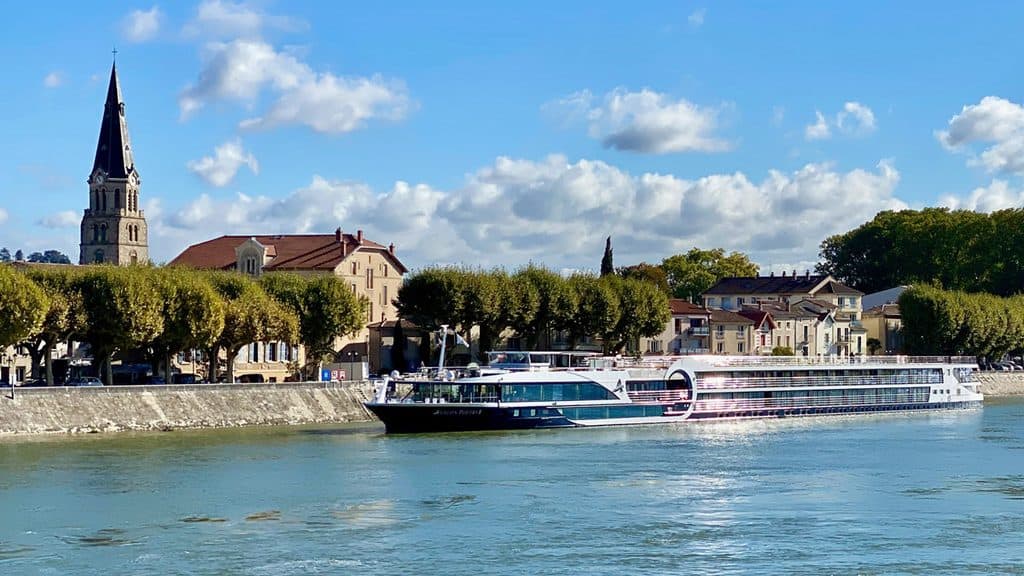
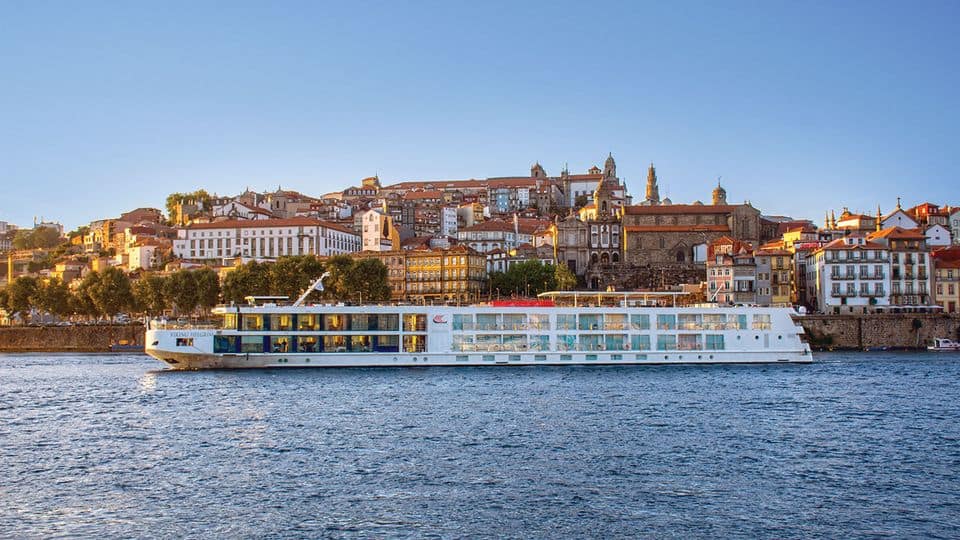
The Douro offers a different style of European river cruise. Beginning or ending in Porto, itineraries follow the river into the terraced landscapes of Portugal’s Douro Valley, a region shaped by centuries of wine production.
Days might include visits to historic quintas, tastings of Port and regional wines, small villages, and viewpoints overlooking the steeply planted hillsides. Some itineraries also include excursions across the border into Spain, often to Salamanca.
Compared with rivers lined by major European capitals, the Douro is more about the landscape, wine culture and relaxed rhythm of northern Portugal. It’s particularly appealing for travelers who want beautiful scenery and meaningful time ashore without feeling as though every day requires checking another major landmark off a list.
Amazon River Cruises: Wildlife and Expedition Adventure
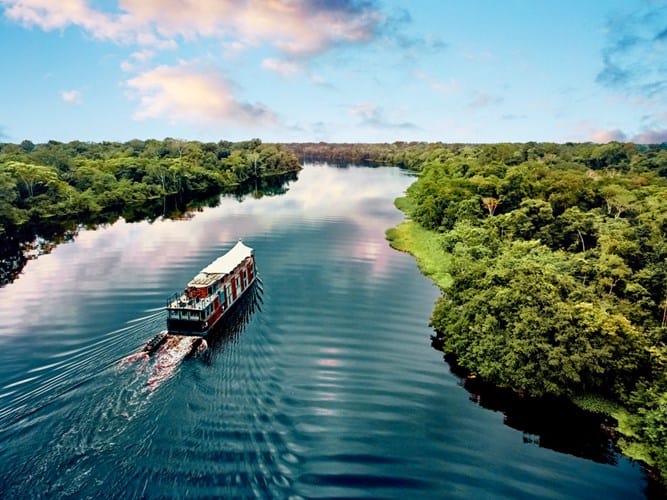
An Amazon river cruise is an entirely different experience from cruising Europe’s waterways. Here, the destination isn’t a succession of historic cities. It’s the rainforest itself.
Small-ship and expedition-style cruises offer opportunities to explore tributaries by skiff, look for monkeys, sloths, colorful birds and other wildlife, and experience one of the world’s most biologically diverse ecosystems. Naturalist guides are an important part of the experience, helping travelers understand what they’re seeing and the complex relationships within the rainforest.
Some itineraries also include opportunities to visit local communities and learn about life along the river. These experiences are best approached thoughtfully, with operators that prioritize conservation and respectful relationships with the people who live in the region.
For travelers drawn to wildlife and remote landscapes, the Amazon shows just how different river cruising can be from the classic European experience.
Which River Cruise Is Right for You?
The best river cruise isn’t necessarily the one with the most famous itinerary. It depends on what you want from the experience.
You might be drawn to the castles and vineyards of the Rhine, the cultural variety of the Danube, the food and wine of the Rhône, or the wildlife and remoteness of the Amazon. The cruise line matters, too. Ships, excursions, dining, activity levels and what’s included can vary considerably, even when two companies are sailing essentially the same stretch of river.
I’ve sailed several of these rivers and experienced different river cruise lines firsthand, and I help clients sort through those differences to find the combination of destination, cruise line and itinerary that fits how they actually want to travel. Learn more about my tips for choosing a river cruise.
If you’re beginning to explore your options, visit my River Cruising page to learn more about river cruising and how I help clients choose the right experience.
I spend a lot of time helping travelers compare different ways to experience a destination, and river cruising has become one of my favorites for the right trip.
I’ve sailed the Rhine, Danube and Rhône and experienced different river cruise lines firsthand. What keeps drawing me back isn’t simply the convenience of unpacking once. It’s the way river cruising combines independent travel with some of the things a cruise does particularly well: handling logistics, connecting multiple destinations, and making the journey itself part of the experience.
It isn’t the right choice for everyone, but there are several reasons I recommend considering it.
You Spend More Time Experiencing the Destination
One of the biggest differences between river and ocean cruising is the relationship with the places you’re visiting.
River ships often dock directly in or near cities and towns rather than at large cruise terminals removed from the destination. In some ports, you can simply walk off the ship and start exploring.
I’ve especially appreciated this on my own river cruises. I enjoy guided experiences, but I also want time to wander, find a café, explore a market or simply see what I discover. Depending on the itinerary and cruise line, river cruising can provide a nice balance between organized sightseeing and independent exploration.
Have more questions about how the experience works? See my River Cruising FAQs
The Scenery Is Part of the Trip
On a river cruise, getting from one destination to another isn’t simply transportation.
Sailing through the Rhine Gorge means passing castles, vineyards and small villages from the ship. Along the Rhône, the landscape changes as you travel toward southern France. On the Douro, terraced vineyards climb the hillsides around the river.
Some of my favorite river-cruise moments have been the quieter ones: sitting outside or in the lounge and watching the landscape go by.
You don’t necessarily need another activity scheduled during that time. Sometimes the journey itself is the activity.
You Can Experience Several Places Without Constantly Moving
I love a thoughtfully planned independent trip, but moving between destinations takes time and energy. Every hotel change means packing, checking out, getting to a train station or airport, navigating to the next hotel and unpacking again.
On a river cruise, your room travels with you.
That makes river cruising particularly useful for itineraries where you want to experience several places within a region without turning the trip into a logistical exercise.
It can also work beautifully as one part of a longer trip. You might spend several independent days in Amsterdam before sailing the Rhine, add Budapest after a Danube cruise, or combine a Rhône sailing with additional time elsewhere in France.
For many of my clients, that combination provides the best of both worlds: the ease of the cruise plus independent time before or afterward.
River Cruising Can Be Surprisingly Active
There’s a persistent image of river cruising as a very passive style of travel. That doesn’t have to be the case.
Depending on the cruise line and itinerary, excursion choices can include cycling, hiking, food tours, wine tastings and more active walking tours alongside traditional sightseeing.
The important part is choosing the right cruise line. Some offer considerably more choice in activity level than others.
This is one reason I don’t think choosing a river cruise should begin with whichever cruise line happens to be advertising most heavily. The experience can vary significantly even when two ships are sailing essentially the same itinerary.
There are many differences between cruise lines beyond the itinerary. My guide to How to Choose the Right River Cruise explains what I look at when comparing the options.
The Smaller Ships Change the Experience
River ships are significantly smaller than most ocean cruise ships, generally carrying a relatively small number of passengers.
That creates a different atmosphere onboard. There aren’t dozens of restaurants, large theaters or sprawling pool decks. Instead, the ship tends to function as a comfortable base for exploring the region.
I find that particularly appealing when the destination is the reason for the trip.
It also means you’ll begin recognizing fellow passengers and crew fairly quickly. Meals and public spaces can feel more social without requiring you to participate in organized activities every moment you’re onboard.
What’s Included Can Make Travel Easier
Most river cruises include at least some shore excursions, and many include considerably more depending on the cruise line.
Meals onboard, Wi-Fi and some beverages are commonly included, while other lines may also include gratuities, airport transfers, premium beverages, specialty dining or additional excursion choices.
This is one area where comparing cruise fares can become misleading. A lower initial fare isn’t necessarily the better value if many of the things you want are additional expenses.
Conversely, paying more for an extremely inclusive cruise doesn’t make much sense if you won’t use the things you’re paying for.
The goal is to find the level of inclusions that fits how you actually travel.
River Cruising Isn’t Right for Everyone
There are tradeoffs, and I think they’re worth understanding before booking.
If you’re looking for extensive nightlife, lots of restaurant choices, large-scale entertainment or resort-style amenities, a river ship may feel too quiet.
Cabins also tend to be smaller than hotel rooms, and you’re traveling on a river where water levels and weather can occasionally affect an itinerary.
And while excursions are a significant part of river cruising, some travelers simply prefer having complete control over every day of their trip. If your ideal vacation involves renting a car and spontaneously changing plans as you go, an independent trip may be a better fit.
Want to experience several destinations without frequently changing hotels
Enjoy history, culture, food and wine
Like having logistics handled but still value some independence
Prefer smaller ships to large ocean cruise vessels
Appreciate guided experiences but don’t necessarily want every minute scheduled
Enjoy watching the landscape and journey unfold around you
Want to combine a cruise with independent travel before or afterward
If several of those sound like you, river cruising is probably worth exploring.
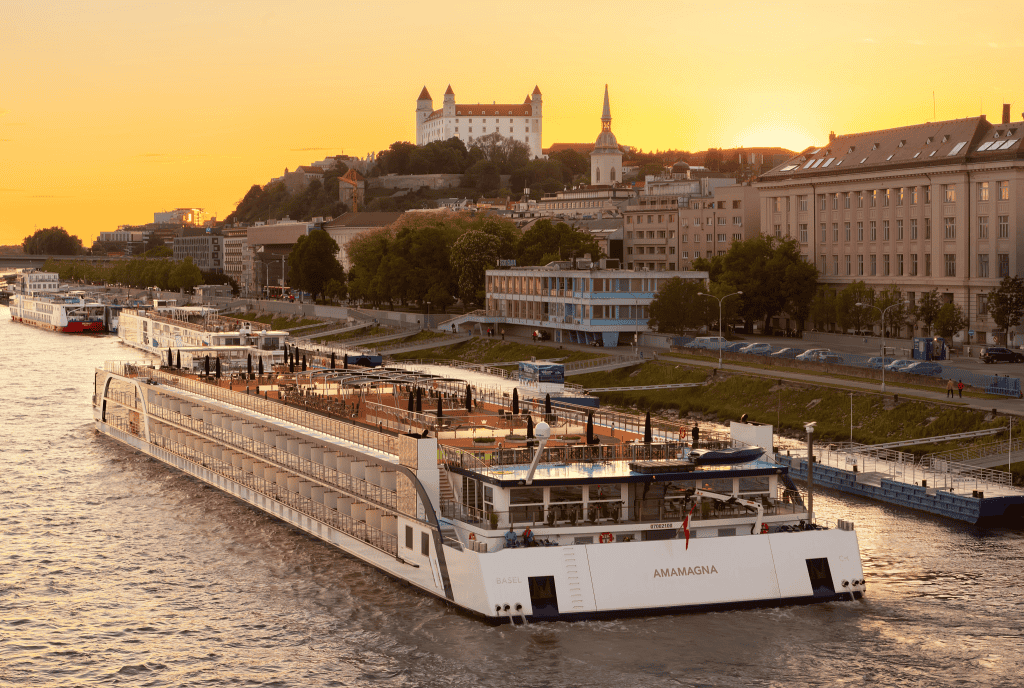
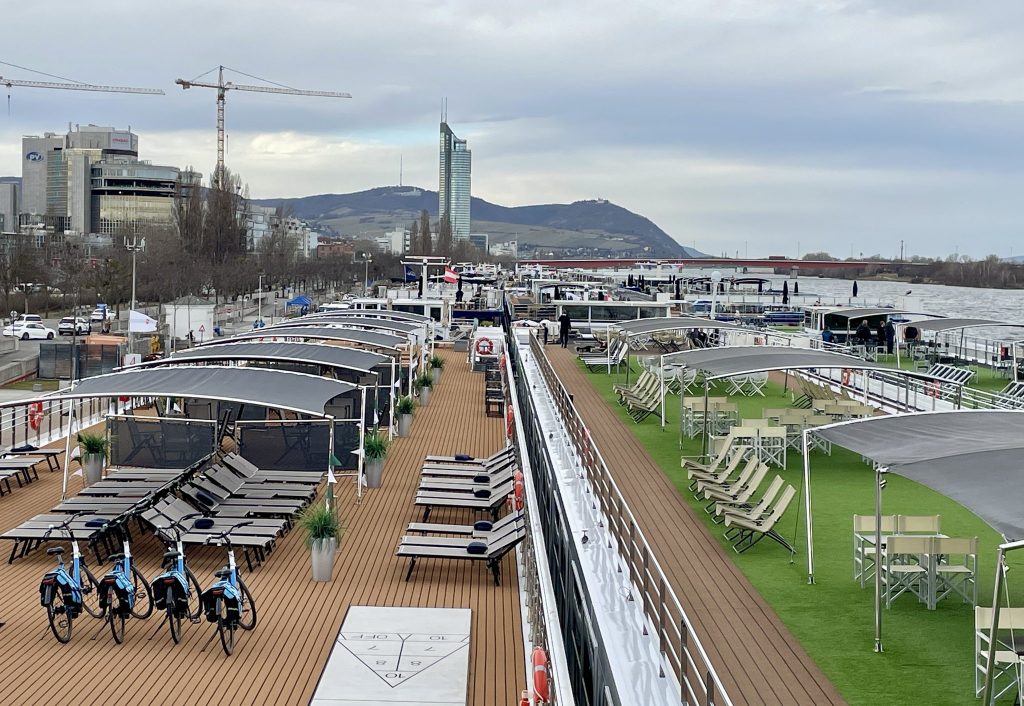
River cruise ships docked side-by-side in Vienna. Notice the variety of seating, options for bikes and other activities. A few ships even have pickle ball.
Finding the Right River Cruise
The next question is usually where to go and which cruise line to choose.
That’s where the details matter. The river, itinerary, ship, excursions, inclusions and overall atmosphere all shape the experience, and the “best” choice depends much more on the traveler than on a cruise-line ranking.
I’ve sailed several European rivers, experienced different river cruise lines firsthand, and regularly continue my education through ship visits and industry training. I use that experience to help clients narrow the choices and find the combination that fits how they want to travel.
If you’re considering your first river cruise, you probably have questions about how the experience works and how it differs from other ways of traveling.
These are some of the questions I hear most often from travelers as they begin exploring river cruising.
River Cruise Basics
What is a river cruise?
A river cruise is a small-ship cruise along an inland waterway such as the Rhine, Danube, Rhône, Seine or Douro in Europe, or rivers such as the Nile, Mekong and Amazon farther afield.
Unlike most ocean cruises, the destination is generally the focus. Ships travel between cities, towns and regions along the river, often docking close enough for you to walk directly into the destination.
How is a river cruise different from an ocean cruise?
The biggest differences are ship size and the overall focus of the experience.
River ships are much smaller than most ocean cruise ships and generally have fewer restaurants, entertainment venues and onboard amenities. Instead, the emphasis is on the destinations you’re visiting, with frequent port stops and excursions included on most itineraries.
There are also no sea days in the traditional sense. Even when you’re sailing during the day, the scenery along the river is often part of the experience.
What’s included on a river cruise?
Inclusions vary considerably by cruise line, which is one reason comparing river cruises based solely on price can be misleading.
Most include accommodations, onboard meals, Wi-Fi and at least one sightseeing option in many ports. Depending on the cruise line, your fare might also include alcoholic beverages, specialty dining, multiple excursion choices, bicycles, gratuities, airport transfers or other amenities.
Understanding what you will actually use is more important than simply finding the cruise with the longest list of inclusions.
Some come close, but not all river cruises are truly all-inclusive.
Luxury lines may include most beverages, gratuities, transfers and a broad range of excursions, while other cruise lines allow you to pay separately for certain experiences or services.
Neither approach is inherently better. It depends on whether you value the additional inclusions enough to pay for them.
Is a river cruise worth it?
For the right traveler, absolutely. A river cruise can make it remarkably easy to experience several destinations without repeatedly changing hotels or arranging transportation between them.
You’re also paying for more than your cabin. Meals, transportation between destinations, excursions and other inclusions may all be part of the fare.
Whether that represents good value depends on how you like to travel and which inclusions matter to you. Someone who enjoys guided experiences, cultural sightseeing and the convenience of having logistics handled may see considerably more value than someone who prefers completely independent travel.
There isn’t one river cruise line that’s best for everyone.
Cruise lines differ in cabin design, dining, excursions, activity levels, inclusions, onboard atmosphere and price. Some are especially good for active travelers, while others emphasize luxury, food and wine, cultural immersion or a more traditional style of sightseeing.
Rather than starting with a particular cruise line, I prefer to start with the traveler and work backward from there.
Which European river is best for a first river cruise?
The Rhine and Danube are both excellent places to begin, but they offer different experiences.
The Rhine is particularly known for castles, vineyards and smaller historic towns, while the Danube combines major cities such as Vienna and Budapest with towns and countryside throughout Central Europe.
But your first river cruise doesn’t have to be either one. Travelers particularly interested in France might prefer the Rhône or Seine, while the Douro is appealing for scenery, wine and a more relaxed pace.
The best first river cruise is the one that matches what you’re most interested in experiencing.
What is the best time of year for a European river cruise?
The main European river cruise season generally runs from spring through late fall, with Christmas market cruises extending into December.
Spring can bring cooler temperatures and fewer crowds. Summer offers long days and warmer weather, but it’s also peak travel season. Early fall is especially appealing for wine regions and comfortable sightseeing, while late November and December bring Christmas market itineraries along rivers such as the Rhine and Danube.
There isn’t one universally best month. Weather, crowds, river conditions, pricing and what you want to experience should all factor into the decision.
How far in advance should I book a river cruise?
For the best choice of itineraries, dates and cabin categories, I generally recommend starting the conversation about a year in advance, and sometimes earlier for popular sailings.
Christmas market cruises, tulip season, certain suites and limited-departure itineraries can fill particularly early.
That doesn’t mean you can’t find a good river cruise closer to departure, but waiting usually means choosing from what’s still available rather than starting with the options that best fit you.
What Is the River Cruise Experience Really Like?
Can I explore independently instead of taking the included excursions?
Often, yes, and this is one of the things I enjoy about river cruising.
Many ships dock within walking distance of the town or city you’re visiting, making independent exploration relatively easy. You might take an included morning tour and then spend the afternoon wandering on your own, or occasionally skip the organized excursion entirely.
There are exceptions. Some ports require transportation to reach the main sights, and docking locations can vary, so it’s worth looking at the specific itinerary rather than assuming you’ll always step directly into the center of town.
Are river cruises good for active travelers?
They can be, particularly if you choose the right cruise line and itinerary.
Some river cruise companies offer cycling, hiking and more active walking tours alongside traditional sightseeing. Ships may also carry bicycles or offer fitness and wellness programming.
If staying active is important to you, this is something I’d consider when comparing cruise lines rather than assuming every river cruise offers the same choices.
Are river cruises accessible for travelers with mobility needs?
It depends on the ship, docking arrangements, and excursions. We’ll check which decks the lift serves, how you board and leave the ship, and whether shore visits involve steps, cobblestones, or extended walking. An accessible cabin doesn’t necessarily mean every excursion will suit your needs.
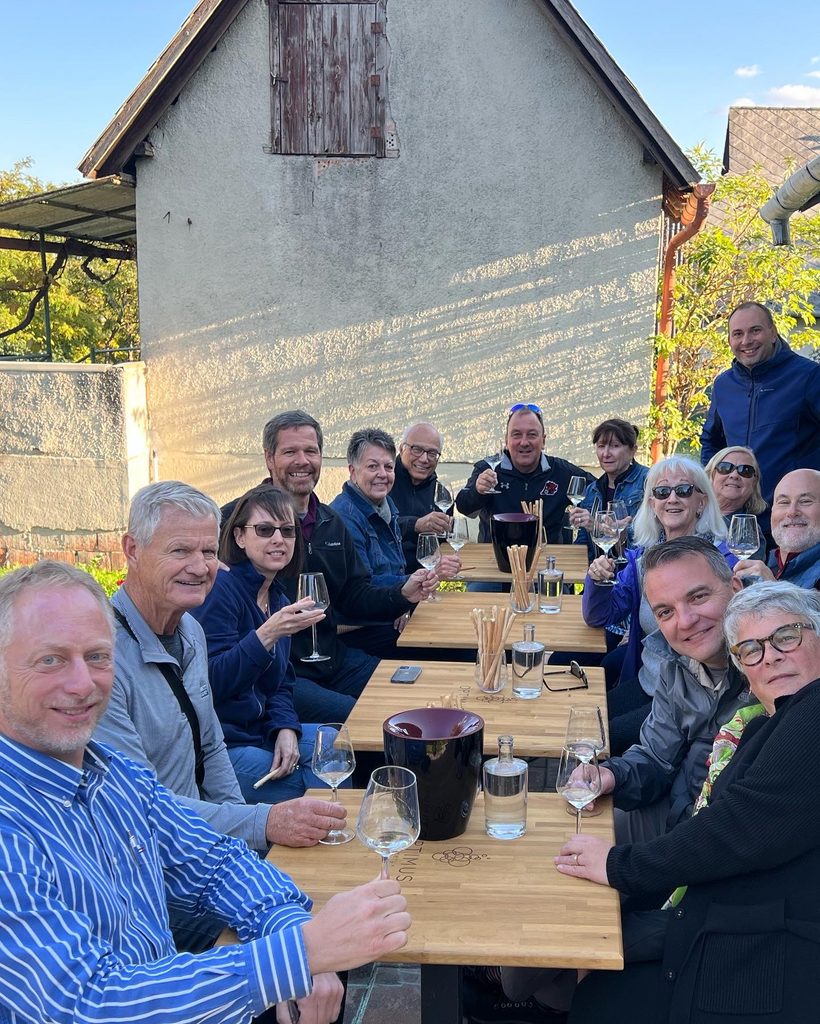
Wine tasting in the country side outside of Budapest.
What happens if river levels are too high or too low?
River levels can occasionally affect a sailing, particularly during periods of unusually high or low water.
Depending on the conditions and location, a cruise line might adjust an itinerary, change docking locations, use motorcoaches for part of the journey or, in more significant situations, move passengers between ships.
It’s impossible to guarantee river conditions months in advance. Different ships and cruise lines may also have different operational options when conditions change.
This is one reason I recommend travel insurance and paying attention to cruise-line communications as departure approaches.
Will I Get Seasick on a River Cruise?
Seasickness is generally much less of a concern on a river cruise than on an ocean cruise. You’re traveling on protected inland waterways without ocean swells, and river ships typically move smoothly along the water.
That doesn’t mean motion is impossible, but travelers who avoid ocean cruising because they’re prone to seasickness often find river cruising to be a very different experience.
If motion sickness is a significant concern for you, it’s still worth discussing before choosing a trip, but I wouldn’t assume that a bad experience on an ocean cruise means river cruising isn’t an option.
Are river cruises only for older travelers?
River cruising does tend to attract an adult audience, and many sailings skew older than contemporary ocean cruises. But the experience varies considerably by cruise line, itinerary and season.
More active excursion choices, shorter itineraries and certain cruise lines can appeal to a broader range of travelers. Families and multigenerational groups also have options, although river ships generally offer far fewer dedicated children’s facilities than large ocean ships.
Rather than focusing on a particular age, I think the better question is whether you enjoy the style of travel: smaller ships, destination-focused days, cultural experiences and a quieter onboard atmosphere.
Still Deciding Whether River Cruising Is Right for You?
Choosing a river cruise involves more than deciding where you want to go. The cruise line, itinerary, ship, cabin, excursions and inclusions all influence the experience.
I’ve sailed several European rivers and experienced different river cruise lines firsthand, and I use that perspective to help clients sort through the choices and find the trip that fits how they want to travel.